Daily Archives: July 30, 2017

Which are the best used electric and hybrid car buys?

As electric car sales rise, so does the number of them available on the used car market.

So the question is, which are the best used electric car buys available right now?
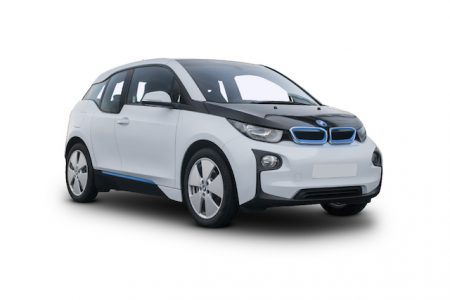
BMW i3

The first one is obvious – the BMW i3. This fantastically styled little hatchback is the embodiment of what we think of when someone says ‘electric car’. It has an exceptionally modern design that even four years on still looks futuristic, and the same can be said about the interior that is uber modern with its crisp design and light-coloured textiles and wood used throughout.

To buy one new today will set you back a minimum of £32,340 with a government grant of £4,500. However, search on the second-hand car market and you can pick yourself up a great deal.
According to research by valuation and provenance experts Cap HPI, a 2015 registration with just 20,000 miles on the clock can be bought for less than £14,650. Opt for the one with the range-extending three-cylinder petrol engine and you’ll pay from £18,400.

Another car on the list is the Nissan Leaf. This is an electric hatchback that has been with us for some years now but is still a very popular choice – much of which is down to its reliability and affordability.

A new top-spec Tekna variant of the Leaf will cost around the same as a BMW i3 with a few goodies, but second-hand and the savings are very impressive. A 2015 model can be had from £9,900, meaning electric cars can bought for an affordable price.

The third car on the list isn’t quite a fully electric vehicle, but the Toyota Prius is still a hybrid. Second-hand values are surprisingly strong, and have in fact risen slightly by 3.9 per cent.

The research shows that there are electric and hybrid models to suit most budgets out there, with used examples being excellent value for money when considering the savings on fuel over a 12-month period too.

Source: Aol. 

Severe Flooding, Against a Background of Wind Turbines: November 2012, Tyringham, Bucks. (Image: T. Larkum)

UK faces sharp rise in wind storms and higher bills as world warms

Data models show UK to be at mercy of fiercer winds and insurers call for action to reinforce buildings.

The UK is set to reap the whirlwind of climate change with the huge damage caused by wind storms expected to increase sharply, according to new analysis.

Even the minimum global warming now expected – just 1.5C – is projected to raise the cost of windstorm destruction by more than a third in parts of the country. If climate change heats the world even further, broken roofs and damaged buildings are likely to increase by over 50% across a swathe of the nation.

The research shows all of the UK is on track to see rises in high winds except the south and south-west, with the greatest impact across the Midlands, Yorkshire and Northern Ireland. This is because the main storms that barrel in off the Atlantic are expected to move their track northwards as the planet warms, a phenomenon linked to the rapid melting being seen in the Arctic.

Global warming is set to increase the destructiveness of wind storms in the UK

Severe Flooding, Against a Background of Wind Turbines: November 2012, Tyringham, Bucks. (Image: T. Larkum)

Flooding is the most high-profile impact of climate change on the UK. But the overall cost of wind storms is actually higher, as a result of a much larger number of smaller incidents, and currently runs at an average of about £1bn a year. Extreme wind storms can occur, though, and in 1990 the Burns’ Day storm resulted in 47 deaths, as well as more than £2bn of insured damage and many millions more in damage to roads, power lines and uninsured properties.

The new work was commissioned by the Association of British Insurers (ABI), which is concerned by the rising impacts of climate change on its customers, and was carried out by the consultancy Air Worldwide and the UK Met Office.

Read more: The Guardian

Drivers would switch to an EV if charge points mandated at fuel stations

The availability and accessibility of charge points could overcome one of the “biggest barriers” to the adoption of electric vehicles (EVs).

That’s according to the fleet industry and a Fleet News poll which revealed almost a third (29.2%) of drivers would make the switch to an EV if they were able to charge their car at the pumps.

A further one in five (22.2%) said they would consider choosing an EV, while one in 10 (9.9%) said they already drive a plug-in car.

The poll was conducted after the Government announced in the Queen’s Speech that it would introduce an Automated and Electric Vehicles Bill which will require the installation of charge points for EVs at motorway service areas and large fuel retailers.

The UK’s largest leasing company, Lex Autolease, welcomed the move.

“One of the biggest barriers to greater adoption of electric vehicles is range anxiety, so more charging points at petrol stations and motorway services will help to address that fear,”

said Chris Chandler, the firm’s principal consultant.

“The measures are a recognition of the need for pathway charging – essentially making it easier for electric vehicle drivers to get from one end of the country to the other, without worrying about their next charging point. This should broaden their appeal and open up the market for electric vehicles across the UK.”

Both Total and Shell had already confirmed their intention to install charge points at their stations, while earlier this year the head of BP Fuel Cards in the UK, Andy Allen, told Fleet News that charge points were a ‘logical step’ for the fuel giant.

Read more: Fleet News