Shopping for an electric car and want it to hold on to as much of its value as possible? Then you’ll need to buy one of these…
The slowest-depreciating electric cars
![]()
The slowest-depreciating electric cars
![]()
Middle-class households will need incentives to buy used EVs in order to meet climate targets.
That’s according to Auto Trader, which says the government is falling short on making the uptake of used cars, particularly used ones, attractive, unlike abroad.
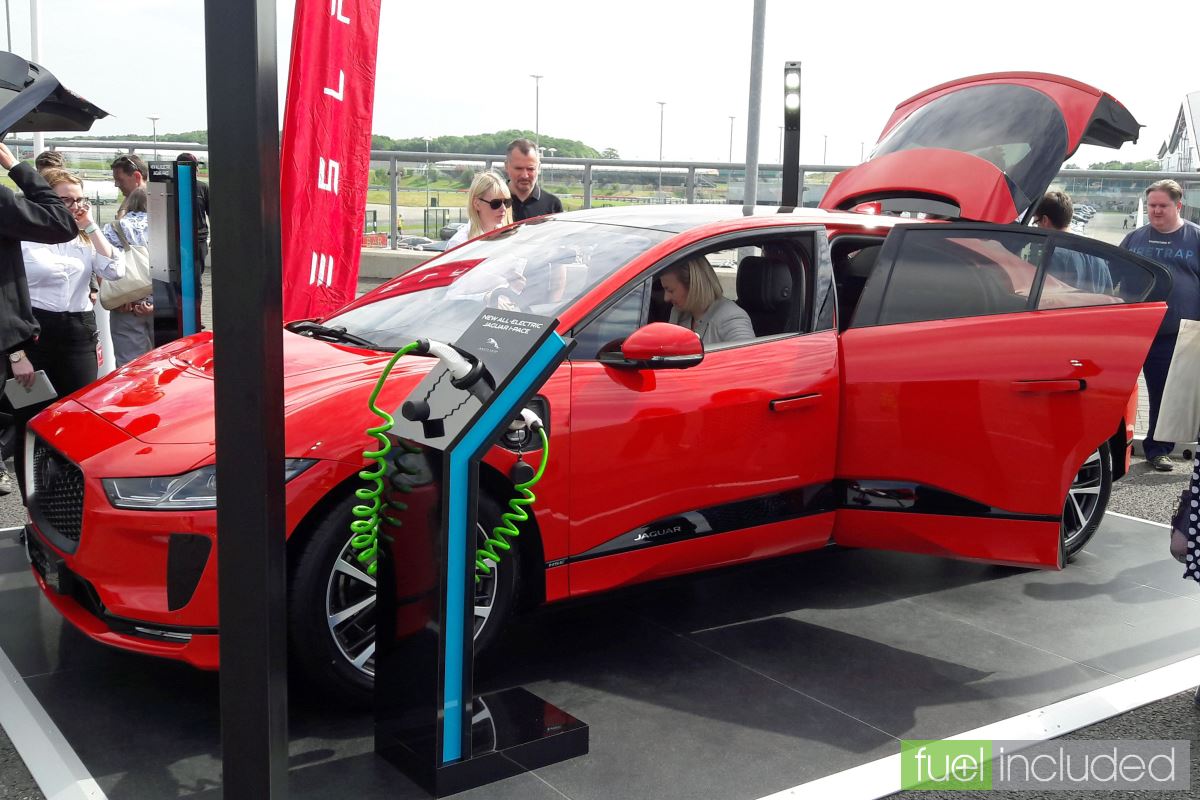
Used EV demand is said to be dropping thanks to increasing electricity prices, and the cost of used EVs, especially luxury ones, has dropped, with The Times reporting the average price of a used Jaguar I-Pace, pictured, to have decreased by 14.6 per cent in a year, while the Tesla Model X is down by 12.1 per cent.
Meanwhile, the price of a used Nissan Leaf has gone down by 1.6 per cent, while the cost of a Smart ForTwo has dropped by 1.3 per cent.

A working group has been set up by the Office for Zero Emission Vehicles to look at the used EV market, including how to stimulate demand, and Auto Trader warns in a report that ‘with supply ahead of demand, the used electric vehicle market needs urgent attention to address the imbalance’.
Auto Trader brand director Marc Palmer was quoted by The Times as saying: ‘What we really need is more mainstream demand.
‘We need middle-income households to be able to access electric cars and to be reassured electricity is OK.
Read more: CarDealer
If you would like to know more about Solar Panels and the PowerBanx range of home battery systems, and get a free instant quote, please complete our online form:

With electricity prices on the rise, what’s cheaper? And what’s the underlying issue at play here?
Spiking electricity prices have brought a spate of screaming headlines: “Shock – charging an electric car is as expensive as refuelling a diesel.” Yes, on average, the electricity price has gone skyward. But it’s still easy to travel cheaper per mile than diesel, and actually the public charger price is falling from its peak. Like the diesel price, which you might have noticed also had a convulsion.
Actually you could have done an ‘electricity dearer than diesel’ trip any time in the past three years. Underlying all this is the extreme – and extremely upsetting – variability at any given time of electricity prices. The dearest high power DC chargers, Ionity, have been 69p/kWh since they began trading three years ago. That’s well over 20p a mile, meaning if a diesel is doing better than 40mpg it’s cheaper.
But no one regularly charges at those. If you use public (not home) 7kW AC you’ll probably be around half that Ionity rate. If you plug in at home and have a tariff that responds in real time to local demand, you might still pay perhaps 10p/kWh overnight, or about 3p a mile.
Read more: TopGear
If you would like to know more about Solar Panels and the PowerBanx range of home battery systems, and get a free instant quote, please complete our online form:
That includes the total cost of maintenance, according to new data
In almost all of Europe, owning an electric car is now cheaper than a petrol or diesel one.
That’s according to analysis by LeasePlan, claiming that although electric vehicles (EVs) cost more to buy, this is offset by lower running costs, less maintenance and less to charge up.
The report revealed that “EVs in nearly every segment and European country are now the same price or cheaper on a total cost of ownership basis than petrol or diesel cars.”
The only nations where an EV was still considerably more expensive were the Czech Republic, Italy and Poland.

From a UK perspective, the total monthly cost of running a new EV stood at £790, whilst a petrol car cost £820 and a diesel vehicle £809.
This was even more stark in the nation’s neighbours France – with a cost of £632 for an EV, £778 for diesel and £747 for petrol.
The study also revealed that charging at home was always cheaper than public chargers.
Read more: EnergyLive
If you would like to know more about Solar Panels and the PowerBanx range of home battery systems, and get a free instant quote, please complete our online form:

Electric cars are here to stay. Before too long, they’ll be the only option open to new car buyers in the UK and a little while after that they’ll be the majority of all cars on the road. That, of course, means people are going to need to service, maintain and repair electric cars in rapidly increasing numbers.
The environmental angle is a big selling point for electric cars but to get the full benefit the car needs to be used for a long time, not treated as a disposable commodity. That means we need the availability of high quality servicing and maintenance from dealers and independent garages that know what they’re doing.

This is a big challenge for the car industry. Electric cars are different to the internal combustion engined vehicles we’ve been using for a century. The right training and tooling are needed before mechanics used to petrol and diesel cars can turn their hand to EVs or even plug-in hybrids. Right now, electric car owners can take their cars to main franchised dealers where the investment in the necessary skills should have happened but in the future we will also need cheaper, independent options to keep older EVs on the road.
Read more: AutoExpress
If you would like to know more about Solar Panels and the PowerBanx range of home battery systems, and get a free instant quote, please complete our online form:

Petrol car drivers are paying more than £100 to fill up their car, while recharging an EV costs just £37
Electric vehicle drivers are saving more than £60 in fuel costs every time they charge their car, according to analysis highlighting the growing financial benefits of moving away from petrol and diesel motoring.
Recharging an electric car has almost always been cheaper than re-fuelling a petrol or diesel motor, but as the price of fuel on the forecourt has soared in recent weeks the savings are now significant.
Analysis published by climate website Carbon Brief suggests that while the UK average cost of filling up a 55-litre petrol car is now almost £100, recharging an electric car to travel an equivalent distance costs just £37.
That delivers EV drivers a saving of £63 per “tank” of fuel, according to Carbon Brief’s policy editor Simon Evans, who conducted the analysis.
EVs are cheaper to refuel in part because they use energy much more efficiently than combustion engine cars, Dr Evans explained, using three to four times less energy to drive the same distance.
Read more: inews
If you would like to know more about Solar Panels and the PowerBanx range of home battery systems, and get a free instant quote, please complete our online form:

Green motoring is becoming financially attractive thanks to a drop in leasing prices and lower running costs

Is now the time to buy an electric car? Falls in financing costs mean that switching to a zero carbon-emitting vehicle won’t just help the environment, it can be cheaper than buying and running a conventional car.
When Guardian Money last looked at electric cars, the price premium for most models meant they made most financial sense to central London drivers keen to avoid the £11.50-a-day congestion charge – but for other motorists the case for going electric was less obvious. However, a drop in leasing costs, plus much lower running costs, have made the financial package much more attractive.
The popular Nissan Leaf, with a large 30kWh battery, can now be leased for about £240 a month with a deposit of £2,000. This is just £70 a month more than the larger, petrol-engined Nissan Juke and many supermini class vehicles.
When you consider that someone who uses their car to commute each day could easily be spending £70 on petrol a month, the green option is starting to look as good for your wallet as for the environment. The cost of an overnight charge that delivers a typical 100 miles of driving is about £3-£4 depending on your electricity tariff. To go the same distance in a petrol car would typically cost £15 – more if your journeys are all around town. This in part is why there are now 100,000 electric cars on UK roads, and 2m worldwide.
“Once you’ve got used to living with an electric car, most people say they’d never go back to a conventional one. You are driving the future,”
says Melanie Shufflebotham who runs NextGreenCar, a website dedicated to low-carbon vehicles. An enthusiastic Nissan Leaf owner, she says improvements to the charging infrastructure, a greater awareness of the benefits of going electric in cities, and the fact that the technology is now proven have all allowed electric cars to move into the mainstream.
“Range anxiety is largely a thing of the past. The newest Renault Zoe, with its bigger battery, now offers a range of about 180 miles from a single charge – more than enough for most users who drive to and from work or similar,”
Shufflebotham says.
“I wouldn’t necessarily want to drive to Edinburgh, but I regularly drive my Leaf from Bristol to London with one fast 30-minute recharge at one of the Ecotricity charging points on the motorway network. For that I pay £6 – a fraction of the cost of filling a tank with petrol.”
Read more: The Guardian
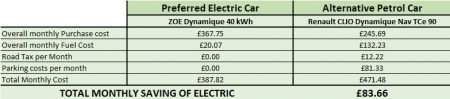
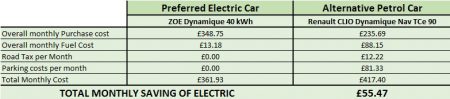
At Fuel Included, we have run our Total Cost of Ownership (TCO) Calculator on a real-life example to help show the way the costs break down, and the considerable savings that can be made.
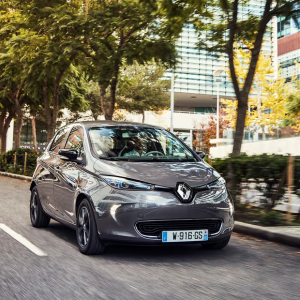
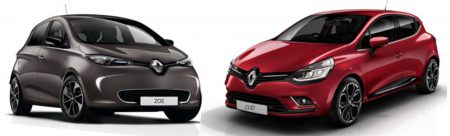
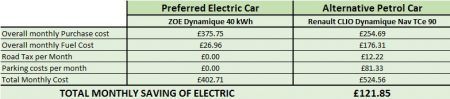
Today we have gone head to head with an all Electric Renault ZOE Dynamique 40 kWh, and a Petrol engined Renault CLIO Dynamique Nav TCe 90.

We have taken a commuter travelling into central Milton Keynes each day and parking as our representative driver. These tables show the total monthly cost* by summing all costs for the three year period of the lease and dividing them by 36.


Even at the lower ranges of driving there are significant cost savings to be made. However, we see that as the mileage increases, the money to be saved is simply staggering.
Please contact us if you would like us to assess the cost of ownership of an electric car for your use case.
We are asked all the time to help people make sense of the Price to Value balance between Electric and petrol cars. The way the two types of cars work is quite different so it is not always straightforward.
To help, Fuel Included have today launched their Total Cost of Ownership calculator and information service to help you look at the actual costs associated with owning an electric car and comparing it to the actual costs associated with a petrol or diesel car.
This is available for both private and fleet enquirers

Our Total Cost of Ownership Calculator takes many factors into account, including the following:
We know that cost is only part of the story, but now you can at least answer the cost part simply and clearly.
We provide access to a simple form on-line, that will provide a straightforward Total Cost of Ownership Report to help you make the right decision.
If you want a more detailed assessment, we will work directly with you to refine your circumstances.