Daily Archives: March 22, 2017

Milton Keynes pushes ahead with Go Ultra Low City programme

Electric Vehicle consultancy, Zero Carbon Futures, has been appointed as project manager to Milton Keynes Council to support the delivery of their Go Ultra Low City programme.

The appointment follows the announcement last year that Milton Keynes has been awarded £9 million from the Office for Low Emission Vehicles’ Go Ultra Low City Scheme. The funding is to support the city to become a showcase of what can be done to encourage the uptake of Ultra Low Emission Vehicles.

Following a competitive tender process, Zero Carbon Futures has been commissioned to oversee the project’s key strands including the EV Experience Centre, EV charge point infrastructure and innovation as well as work on the Highways to support the programme.

Brian Matthews, Head of Transport Innovation, at Milton Keynes Council, said:

“We had a number of exceptionally strong tender submissions for the project management contract however Zero Carbon Futures’ expertise and knowledge of the industry really stood out. The company will be a critical friend for the project throughout its five years.”

Zero Carbon Futures has been involved in a number of high profile electric vehicle projects such as the Rapid Charge Network, Plugged in Places and My Electric Avenue and has overseen the development of charge point networks across the UK including at motorway service stations. The company has also developed a number of electric vehicle marketing and promotional campaigns to encourage residents and businesses to consider making the switch to electric.

Dr Colin Herron, Managing Director at Zero Carbon Futures, said:

“Milton Keynes put forward an exceptionally strong bid to become a Go Ultra Low City and we are delighted to be working with the Council to support its delivery. This is a significant programme which will make a demonstrable difference to electric vehicle uptake in the City and we hope that our expertise will provide real added value to the Council.”

Read more: Zero Carbon Futures

f

Nissan Leaf

Car Tax, the new VED rules explained

An overhaul of UK car tax rules will increase the cost of motoring – but not if you’re buying a Nissan LEAF

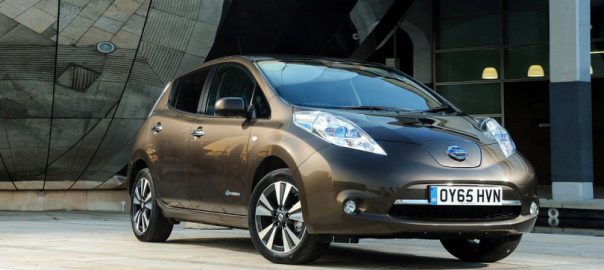
On April 1, the system for taxing new cars in the UK, known as Vehicle Excise Duty (VED), is being radically overhauled (click here for details). The revamp will make it more expensive to run certain types of low-emissions cars – but the Nissan LEAF, the world’s best-selling electric car, will remain exempt from tax.

Nissan Leaf

If you’re confused by the changes, or uncertain of what they mean if you’re considering buying a new car, here’s a quick guide.

How car tax works now

The amount of VED you currently pay is based on your car’s CO2 emissions. There are 13 VED bands: vehicles that emit between 0 and 130g/km of CO2 (think electric vehicles and certain hybrids) don’t pay any VED in their first year. After that, vehicles that emit 101-120g/km of CO2 have to pay between £10 and £30. The duty jumps from there, to at least £100 for cars that emit 121g/km of CO2 or more.

What’s changing

From April 1, only vehicles that produce no emissions while driving, such as the Nissan LEAF, will be exempt from VED in year one. Vehicles that produce 1-50 g/km of CO2 pay £10; those that emit 51-75 g/km pay £25. VED then leaps to £100 for vehicles that emit 76-90 g/km. From year two on, CO2-producing vehicles costing less than £40,000 pay an annual rate of £140 – with a £310 premium for cars that cost more than £40,000.

Zero emissions, zero tax

Cars that produce 0g/km of CO2 and cost less than £40,000 will remain exempt from VED for their lifetime. The fully-equipped, five-seat electric Nissan LEAF falls into that category – and it’s also exempt from congestion charges. So as well as fuel costs of as little as 2p a mile, buying a safe and reliable LEAF could save you hundreds of pounds in tax.

When it comes to fuel efficiency, the British-built Nissan LEAF remains ahead of the pack – because it uses no combustible fuel at all.

Read more: What Car?