Category Archives: Sales

ZS EV (Image: MG)

Updated MG ZS EV gets more range and a £28,495 price tag

The MG ZS EV has received a substantial update for 2021, including a redesign and new battery options

The facelifted MG ZS EV is now on sale, starting from £28,495 after the Plug-in Car Grant deduction. The refreshed model has received a significant midlife facelift with an exterior redesign, a refreshed interior, upgraded tech and a pair of new battery options, one of which has boosted the maximum range of the budget-focused SUV to 273 miles.

The increased range figure offered by the new MG ZS EV pitches it directly against models such as the Nissan Leaf and Renault ZOE, with the larger-battery version offering a far longer range than the entry-level Kia e-Niro.

2021 MG ZS EV: prices and specifications
The refreshed MG ZS EV is available in three trim levels, starting with the SE version. This model costs from £28,495 after the PiCG, and gets LED headlights, adaptive cruise control, keyless entry and start, a 360-degree parking camera, a 10.1-inch infotainment touchscreen and sat nav. It also features vehicle-to-load (V2L) charging, which allows owners to power or recharge other electrical devices.

ZS EV (Image: MG)
ZS EV (Image: MG)

Stepping up to the Trophy model costs from £30,995 after the grant deduction. This model adds a panoramic roof, heated front seats, electrical adjustment for the driver’s seat, faux-leather interior trim, roof rails, rain-sensing automatic wipers and a wireless phone charging pad. Above this, the Trophy Connect adds extra connectivity with connected live services for weather, traffic and Amazon Prime. Prices for this flagship model start from £31,495 after the grant deduction.

Every version of the MG ZS EV gets an array of standard safety features dubbed ‘MG Pilot.’ This features active emergency braking with pedestrian and cyclist detection, lane-keep assist, lane-departure warning, traffic-jam assist, high-beam assist and speed-limit assist.

Design
The redesign of the new MG ZS EV includes a blank, closed front grille incorporating the charging port, to set it apart from the petrol model. The LED headlights have also been tweaked and there are a new set of aerodynamic alloy wheels with a two-tone paint finish. A new tail light design, restyled rear bumper and a new rear diffuser with silver trim inserts also feature.

A further addition to the refreshed model is a useful charging status indicator located in the nose-mounted charging port. This features four LEDs, giving owners a visual indicator of charging progress.

Read more: carbuyer

It’s Time to Go Green!

If you would like to know more about Solar Panels and the PowerBanx range of home battery systems, and get a free instant quote, please complete our online form:

Nissan Leaf 3.Zero e+ (Image: Nissan)

Used electric car prices up double the average as petrol crisis heightens demand – here’s the top 10 risers

Electric cars rose in value twice as much as the average used car last month as the fuel crisis turned consumers’ attention towards alternative fuels.

Research by data experts Cap HPI reveals that three-year-old electric cars rose in value 2.4 per cent in October – compared to an average of 1.2 per cent for all other used cars.

Chris Plumb, Cap HPI electric vehicle valuations expert, told Car Dealer: ‘While it’s difficult to attribute all the strength that we have witnessed for battery electric vehicles on the recent fuel shortages along with the rising costs to fill up at the pumps, it certainly has helped to pique consumer interest.

‘In addition, against the backdrop of reduced supply of vehicles in the used market, some retailers have turned their attention to stocking EV’s to fill gaps on the forecourt and have been pleasantly surprised at how they have performed.’

Used car prices have grown 30 per cent so far this year, but are starting to plateau.

Cap HPI’s head of valuations Derren Martin told Car Dealer last week that seasonal changes are starting to see the huge price rises recently experienced begin to fall back.

However, electric car price rises were the strongest during October and while the petrol shortage played a part in interest surging, the valuations team believes consumers are also beginning to become more interested in EVs in general.

Plumb added: ‘A continuing trend that we have seen of late is the strong price performance of electric vehicles aged between three and five-years-old, mainly due to the lower and more palatable price point when compared to the nearly new vehicles currently on offer.’

Cap HPI has provided data on the top 10 electric used cars that rose in value the most in October.

Top 10 electric car price rises
Price rises in October compared to previous month

1. Nissan Leaf – up 10.3 per cent
Up £1,030 on average in October

Nissan Leaf 3.Zero e+ (Image: Nissan)

2. Peugeot Ion – up 4.5 per cent
Up £225 on average in October

3. BMW i3 – up 4.3 per cent
Up £733 on average in October

4. Smart FourTwo electric – up 4 per cent
Up £346 on average in October

5. Volkswagen Golf Electric – up 3.8 per cent
Up £600 on average in October

Read more: CarDealer

It’s Time to Go Green!

If you would like to know more about Solar Panels and the PowerBanx range of home battery systems, and get a free instant quote, please complete our online form:
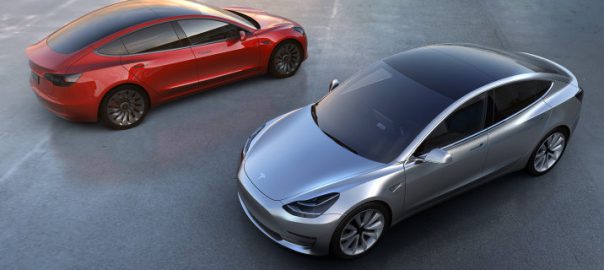
Tesla Model 3 Unveil (Image: Tesla)

Tesla Model 3 becomes best-selling vehicle (not just electric) in Europe

The Tesla Model 3 has become the first all-electric car to become the best-selling vehicle in Europe.

However, that’s on a monthly basis and Tesla’s deliveries vary widely on a monthly basis.

Last quarter, Tesla delivered a record number of vehicles – getting close to a quarter of million vehicles.

Strong performance in all of Tesla’s major markets contributed to the new record.

We previously reported on China and the US contributing significantly, but now new data from Europe is showing how well Tesla is doing in the market.

JATO Dynamics published a list of the top-selling vehicles in Europe in September based on registration data.

Tesla Model 3 Unveil (Image: Tesla)

The Tesla Model 3 became the best-selling vehicle on the continent last month:

Tesla Model 3: 24,591
Renault Clio: 18,264
Dacia Sandero: 17,988
Volkswagen Golf: 17,507
Fiat/Abarth 500: 16,349
Opel/Vauxhall Corsa: 15,502
Peugeot 2008: 14,931
Hyundai Tucson: 14,088
Peugeot 208: 13,895
Renault Captur: 13,715
As you can see, there is no other all-electric vehicle in the top 10.

Model 3 is the best-selling electric car in Europe by a wide margin and the Model Y actually comes in second:

Tesla Model 3: 24,419
Tesla Model Y: 8,906
Volkswagen ID.3: 8,263
Renault Zoe: 6,577
Skoda Enyaq: 5,913

Read more: electrek

It’s Time to Go Green!

If you would like to know more about Solar Panels and the PowerBanx range of home battery systems, and get a free instant quote, please complete our online form:

Tesla Model 3 (Image: Tesla.com)

Electric Vehicles Could Be The Majority Of Car Sales As Soon As 2023

The problem with disruptive changes is that not many people really see them coming. The vast majority deny the possibility even if warned. The current pandemic is the most obvious example that we are still living through. Then there was the banking crisis of 2008/9. Nassim Nicholas Taleb calls them “black swan events”, and the arrival of electric vehicles is fast turning into another one, albeit much more positive than the previous two examples. Unless you work in the oil industry.

When Tesla started selling the initial Roadster and then the Model S, lots of major car companies were highly skeptical that the technology would catch on, with both Daimler and Toyota divesting themselves of their stakes in the company in 2014 and 2016 respectively. The Nissan Leaf, which was the world’s bestselling EV until the Model 3 stole its laurels, is a great car but still didn’t excite the vision that this would be the kind of vehicle most people would eventually be driving.

Over the last couple of years, however, those who aren’t in denial or don’t have vested interests to protect can see a freight train on the horizon. The most recent sales car sales figures in the UK put battery-electric vehicles at 15.2% of the market in September, hitting 9.5% of units for the year to date. Despite the chip shortage, the BEV market is growing while the market for pure fossil-fuel vehicles has collapsed. BEVs are now more popular than diesels in the UK. Even hybrids had a bad September. In Europe, plug-ins now outsell diesels too.

Tesla Model 3 (Image: Tesla.com)

Tesla Model 3 Now UK’s Bestselling Car
The Tesla Model 3 has even managed to become the bestselling car across all fuel types in the UK in September. It’s worth bearing in mind that September is a quarter end, and Tesla tends to have a big sales push in those periods, so these figures will be artificially higher than usual. But it’s still incredible to see this car sell 31% more than the next biggest seller – the subcompact Vauxhall Corsa, which retails for less than half the price of even the entry-level Tesla Model 3 Standard Range Plus. In the UK, the only car ads you now see on TV – except Toyota’s dubious “self-charging hybrid” spots – are for electric autos.

Of course, we are living in some very uncertain times. The pandemic has thrown all normal car sales figures to the wind because dealerships have been closed for months on end over the last 18 months. The chip shortage has made it impossible for manufacturers to meet demand now their dealerships are open, further compacting the problems just when things were opening again. In the UK, we also had a fuel crisis that made some people question whether traditional cars were really more convenient than vehicles you can charge at home.

But in theory the dealership issues and chip shortage should have affected BEVs as much as any other vehicle types, and it is clear that this hasn’t been the case. Since around the middle of 2019, the trickle of electric car sales in the UK has started to accelerate. One pundit on Twitter has extrapolated the “S curve” of sales in the UK, and now reckons that in this country we will be buying more BEVs than any other type of car by mid-2023. That is barely 18 months from now.

Read more: Forbes

It’s Time to Go Green!

If you would like to know more about Solar Panels and the PowerBanx range of home battery systems, and get a free instant quote, please complete our online form:

BMW i3 120Ah (Image: BMW Group)

“The age of plentiful, affordable used electric cars is closer than you think.”

Simon Ostler from BuyaCar thinks it’s time for used car buyers to start seriously considering electric cars

Wondering whether you’re ready to go electric? The recent petrol and diesel shortages have certainly made a lot more people wonder whether now is a smart time to make the switch to an electric car. There’s an increasing selection of new electric vehicles available but long waiting lists for new cars and what appear to be high list prices for battery-powered models can be a turn off. The answer is a used electric car.

You’re probably thinking that with sales of new electric cars still representing a small proportion of the market, finding a used model of a few years old might be a challenge. This is the myth we’re here to dispel; the affordable used electric car is fast becoming a realistic prospect for everyone.

BMW i3 120Ah (Image: BMW Group)

Second-hand EVs are more affordable and usable than ever, with older models starting to become available from less than £5,000. The growing selection of new electric cars we’ve seen in recent years means that the choice for used car buyers is increasing every day.

Opt for a used Renault ZOE that offers a real-world range of around 185 miles per charge and costs start from less than £200 per month on PCP finance (or less than £10,000), with plenty of choice from £250 per month (or £14,000). Meanwhile, the practical Nissan Leaf, the more sporty and high-tech BMW i3 and the compact and easy-to-drive Vauxhall Corsa-e can all be found from less than £300 per month (or £20,000).

Read more: carbuyer

It’s Time to Go Green!

If you would like to know more about Solar Panels and the PowerBanx range of home battery systems, and get a free instant quote, please complete our online form:

Sales of battery electric vehicles see best ever month

September was the best ever month for sales of battery electric vehicles (BEVs), according to the latest figures from the Society of Motor Manufacturers and Traders (SMMT).

Sales of BEVs reached 32,721 in September 2021, a 49.4% increase on the same month in 2020. These sales figures were, in fact, just over 5,000 off of the total number registered during the whole of 2019. It meant BEV sales represented 15.2% of the market share, surpassing diesel sales for the fourth month in a row.

New car registrations as a whole plummeted in September, falling by 34.4% to 215,312 compared to the year before. This is the weakest September since 1998, with the ongoing shortage of semiconductors impacting vehicle availability.

This year to date, 125,141 BEVs have been sold, an 87.9% increase on the year before. This is also higher than the total number of diesel vehicles sold so far this year (117,605).

Mike Hawes, SMMT chief executive, praised the “rocketing uptake” of BEVs, but said that in order for all drivers to make the switch, “massive investment” in public charging infrastructure is still required.

However, figures from Zap-Map show that two key areas of the UK’s public charging infrastructure have grown significantly since the end of 2020. The number of ultra-rapid charging devices in the UK has increased by over 50% since the beginning of year, with there now being over 1,000 ultra-rapid charging devices in the ground alongside 3,750 rapid chargers.

The number of slow chargers has also increased by 66%, from over 3,670 at the end of 2020 to more than 6,100 at the end of September, Zap-Map’s data shows.

Read more: CURRENT

It’s Time to Go Green!

If you would like to know more about Solar Panels and the PowerBanx range of home battery systems, and get a free instant quote, please complete our online form:
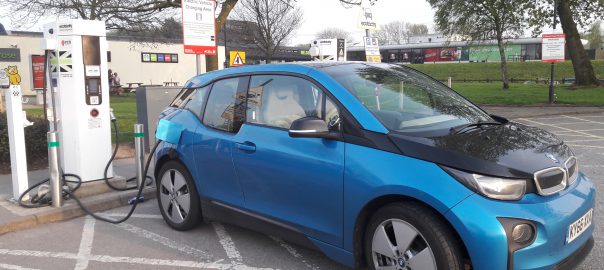
Nissan Leaf (Image: Qurren/Wikipedia)

Electric cars now CHEAPER to insure than petrol or diesel

Electric cars now cost less to insure, on average, than petrol and diesel cars – and the cost to insure an EV is continuing to fall.

New analysis from car insurance comparison site GoCompare reveals the average cost to insure an electric car in July 2021 was £484. The average cost for a petrol car was £489, while for a diesel it was £534.

It is the continuation of a trend that started in 2019, says GoCompare.

During the first half of 2020, an electric car typically cost £515 to insure. A year later, the cost over the first six months had fallen to £450 – a £65 decline.

Ryan Fulthorpe of GoCompare said: “As the popularity of the EV increases, it’s great to see the insurance costs coming down alongside this.

“Insurance companies are now getting used to evaluating the risks associated with these cars and so we have seen a slow but steady decline in premiums for EVs over the past two and a half years.”

Most popular EVs to insure
GoCompare is also keeping a track of the most popular electric cars insured by its customers – and it’s another win for the Teslerati:

1: Tesla Model 3

2: Nissan Leaf

3: Volkswagen e-Golf

4: MG ZS EV

5: BMW i3

Read more: msn

It’s Time to Go Green!

If you would like to know more about Solar Panels and the PowerBanx range of home battery systems, and get a free instant quote, please complete our online form:

Skoda Citigo-e iV (Image: Skoda)

GPs in Falmouth Cornwall among first for electric vehicles day-to-day

A network of GP practices in Cornwall and the South West is one of the first in the country to introduce a fleet of electric vehicles into its day-to-day operations.

Falmouth and Penryn Primary Care Network (PCN) has become the first group of GP practices in the South West to introduce a fleet of electric vehicles into its day-to-day operations, thanks to support from Lex Autolease, the UK’s largest fleet management provider.

The PCN which consists of Penryn Surgery, Trescobeas Surgery, Westover Surgery and Falmouth Health Centre has invested in four Skoda Citygo-E vehicles which will be operated by GPs and healthcare professionals during routine home appointment visits and prescription deliveries.

Cornwall-based Penryn Surgery will control and manage the use of the fleet of vehicles across the PCN which together supports over 48,000 patients across the region.

Skoda Citigo-e iV (Image: Skoda)

The switch to electric vehicles replaces the PCN’s business mileage scheme, which saw practitioners operating private, heavy-diesel vehicles for business use before being reimbursed for their travel.

The 100 per cent reduction in CO2 vehicle emissions forms part of the surgery’s long-term drive to lower its overall carbon footprint.

Ryan Ohly, Managing Partner at Penryn Surgery, said: “This is a huge step forward for the surgeries across the PCN and our commitment to operating more sustainably.

“GPs and healthcare practitioners make relatively short journeys of up to 30miles a day to visit our patients, so it appeared a no brainer to explore switching to low-emission vehicles to streamline our operations and help to reduce our carbon footprint.

Read more: Falmouth Packet

It’s Time to Go Green!

If you would like to know more about Solar Panels and the PowerBanx range of home battery systems, and get a free instant quote, please complete our online form:

BMW iX3

Sales Of Electric Cars And Plug-In Hybrids Rise Across Europe

New car registrations across Europe fell dramatically in July but sales of battery-electric vehicles and plug-in hybrids continue to grow.

Data from JATO Dynamics reveals that 967,830 new cars were registered across 26 European markets in July. That was a 24 per cent decline from the 1.27 million units registered in July last year. Despite this, year-to-date sales remain positive with a total of 7,381,735 registrations, 17 per cent higher than the same period in 2020.

The market share for gasoline cars across Europe continues to fall. In July 2019, gas ICE vehicles accounted for 63.4 per cent of the mark. By July 2020, that had fallen to 59.8 per cent and in July 2021, was 59.0 per cent. Diesel registrations also decreased by 166,000 units between July 2020 and July 2021 and almost 207,000 between July 2019 and July 2021. Registrations of new electric vehicles rose by 49,000 between July 2020 and July 2021 and 125,000 units between July 2019 and July 2021.

BMW iX3
BMW iX3

The best-selling new car in Europe during July 2021 was the Dacia Sandero with 20,446 sales, followed closely by the Volkswagen Golf (19,425 units), Toyota Yaris (18,858 units), VW Polo (17,343 units), and the VW T-Roc (16,496 units). Meanwhile, the best-selling plug-in hybrid vehicle was the Ford Kuga with 4,247 registrations, beating out the Peugeot 3008 (3,039 units), and Volvo XC40 (2,931 units).

Read more: CARSCOOPS

It’s Time to Go Green!

If you would like to know more about Solar Panels and the PowerBanx range of home battery systems, and get a free instant quote, please complete our online form:

Dacia Spring 2021 (Image: Dacia.co.uk)

EVs to account for more than one-in-six cars acquired in 2021

Electric vehicles (EVs) are expected to account for more than one-in-six new cars acquired in 2021, according to the latest figures from the Society of Motor Manufacturers and Traders (SMMT).

In July, battery electric vehicles (BEVs) accounted for 9.0% of registrations, continuing growth in June, while plug-in hybrids (PHEVs) reached 8.0%.

Plug-in vehicle uptake accelerated to 17.1% of market with 21,039 units registered in July.

Overall, July’s new car registrations fell by 29.5% to 123,269 units – the SMMT said the decline was ‘artificially heightened’ by comparison with the same month last year, when registrations increased as showrooms enjoyed a full month’s operation following the first 2020 lockdown.

However, the July performance was down 22.3% on the average recorded over the past decade, as the ongoing semiconductor shortage and the ‘pingdemic’ impacted on both supply and demand – making it the weakest July for new car registrations since 1998, prior to the introduction of the two-plate system, said the SMMT.

Mike Hawes, SMMT chief executive, said: “The automotive sector continues to battle against shortages of semiconductors and staff, which is throttling our ability to translate a strengthening economic outlook into a full recovery.

Dacia Spring 2021 (Image: Dacia.co.uk)

“The next few weeks will see changes to self-isolation policies which will hopefully help those companies across the industry dealing with staff absences, but the semiconductor shortage is likely to remain an issue until at least the rest of the year.”

The latest SMMT outlook has been revised downward and forecasts registrations to reach around 1.82 million units in 2021 – some 11.7% up on 2020, but down from the 1.86 million forecast in April, and down around 21.8% on the average new car market recorded over the past decade.

However, the SMMT estimates that BEVs will account for 9.5% of registrations by year end, while PHEVs are forecast to comprise 6.5% of the market, collectively totalling around 290,000 units by the end of the year.

“The bright spot, however, remains the increasing demand for electrified vehicles as consumers respond in ever greater numbers to these new technologies, driven by increased product choice, fiscal and financial incentives and an enjoyable driving experience,” Hawes added.

Read more: SMART TRANSPORT

It’s Time to Go Green!

If you would like to know more about Solar Panels and the PowerBanx range of home battery systems, and get a free instant quote, please complete our online form: