Daily Archives: August 20, 2017

Diesel and petrol car ban: Plan for 2040 unravels as 10 new power stations needed to cope with electric revolution

Plans to ban the sale of new diesel and petrol cars by 2040 in a bid to encourage people to buy electric vehicles are a “tall order” and will place unprecedented strain on the National Grid, motoring experts have warned.

Michael Gove, the Environment Secretary, has warned that Britain “can’t carry on” with petrol and diesel cars because of the damage that they are doing to people’s health and the planet.

“There is no alternative to embracing new technology,”

he said.

However the AA warned that the National Grid would be under pressure to

“cope with a mass switch-on after the evening rush hour”,

while Which? Car magazine warned that electric cars are currently more expensive and less practical.

According to a National Grid report, peak demand for electricity could add around 30 gigawatts to the current peak of 61GW – an increase of 50 per cent.

The extra electricity needed will be the equivalent of almost 10 times the total power output of the new Hinckley Point C nuclear power station being built in Somerset.

National Grid predicts Britain will become increasingly reliant on imported electricity, which will rise from around 10 per cent of total electricity to around one third, raising questions about energy security.

Just 4 per cent of new car sales are for electric vehicles, and concerns have also been raised about whether Britain will have enough charging points for the new generation of cars.

Diesel drivers on congested roads in towns and cities across the UK face new pollution taxes and could also be barred from travelling at rush hour.

Ministers have identified 81 major roads in 17 towns and cities where urgent action is required because they are in breach of EU emissions standards, putting people’s health at risk.

The air quality strategy urges local authorities to first try to reduce emissions by retrofitting the most polluting diesel vehicles, changing road layouts and removing speed humps.

However it concedes that as a last resort councils will be allowed to impose tough restrictions on the most polluting diesel vehicles as soon as 2020 to bring down the levels of harmful nitrogen dioxide emissions.

The strategy stops short of meeting the demands of motoring groups for a diesel scrappage scheme, under which diesel drivers would receive compensation for trading in their polluting vehicles.

Read more: The Telegraph

Londoners are much more geared up for the rise of electric vehicles than the rest of Britain

Londoners are much more enthusiastic about moving to electric cars than the rest of Britain, according to new research from Baringa Partners.

The majority of those in the capital (77 per cent) believe that pure electric cars will replace their petrol/diesel counterparts as the preferred type of car in the UK, while nationwide 68 per cent of people feel the same.

Government offers grants, incentives to businesses wanting greener fleets.

There is still work to be done to convince drivers of electric vehicles’ mainstream capabilities though, as while considerably more London residents were likely to consider an electric car next time they get a car, that was still just over a third at 36 per cent.

The national average was 18 per cent, while the lowest interest was in the East of England where 10 per cent of people said they would consider an electric car as their next vehicle.

As for what the concerns were regarding electric cars, 37 per cent of Londoners pointed to difficulties installing a home charger while 62 per cent expressed range anxiety, worrying they would not be able to travel far enough on a single charge.

Baringa surveyed a nationally representative sample of 2,005 UK adults.

Oliver Rix, partner at Baringa, said this was good news for “the critical problem” of air qualities in cities.

He said:

These findings are hugely encouraging as they run counter to the prevailing wisdom that urban areas will be reluctant to embrace electric cars. It’s clear the capital is a ripe market for electric car manufacturers, with Londoners more optimistic about how long it will take for electric vehicles to become the car of choice than most industry predictions.

Just under a third of those in the capital said they thought electric cars offered better overall value for money than petrol and diesel cars, while a fifth of London residents said they felt electric cars were more stylish than traditional options, compared to the national average of eight per cent.

Source: City A.M

Case study: What’s it like to run an electric fleet?

It’s not always easy being green, especially where business is concerned.

If you’re a business considering an alternatively fuelled fleet, you aren’t alone. In fact, more than half of fleets (56%) are already operating at least one alternative to traditional petrol and diesel models or are planning to do so in the next three years, according to new research from Arval.

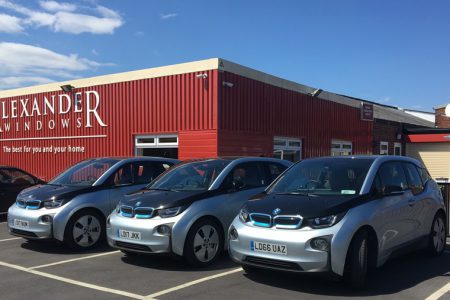
We’ve been in touch with a business that’s already taken the plunge and decided to replace its fleet of ageing Volvo V40s with all-electric BMW i3s. Was it a smart move?

BMW i3

Alexander Windows is one of the north west’s biggest supplier of windows, doors and conservatories, and as such has a team of sales people and surveyors travelling all over Manchester all-day, everyday.

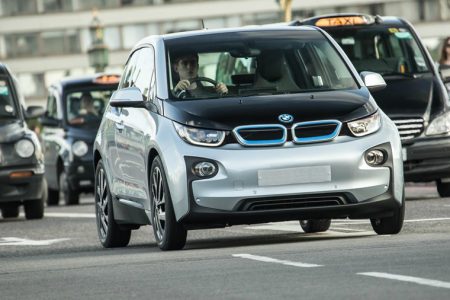
The BMW i3 hatchback makes up part of the company’s range of electric and hybrids – which includes the supercar-esque i8 – and is fast becoming a go-to choice as an eco-friendly fleet vehicle.

BMW i3

We asked Lauren Tutton, director of Alexander Windows, about how the BMWs have been received:

“They have a decent range (120 miles), which is very important because our field sales representatives and technical surveyors travel all over, and we don’t want them getting caught out.

“We still have a need for small vans, but the i3 is more than adequate for day-to-day survey appointments.”

Lauren also drives the stunning BMW i8 plug-in hybrid sports car, which boasts an official average fuel consumption rating of 134.5mpg, and CO2 of 49g/km. Ticking plenty of boxes when it comes to a directors’ car.

Like lots of businesses, Alexander Windows’ fleet is part of a wider eco-friendly initiative, and when it comes to windows, going green is far more involved than simply improving a home’s insulation.

“We’ve had a very positive response from everyone to the new fleet. They’re very quiet, have good acceleration and the standard specification of the vehicle is great. The initial scepticism that people expressed about driving an electric car soon disappeared once they began driving them.”

Read more: Contract Hire and Leasing

Enquiries: Fuel Included Fleet Deals