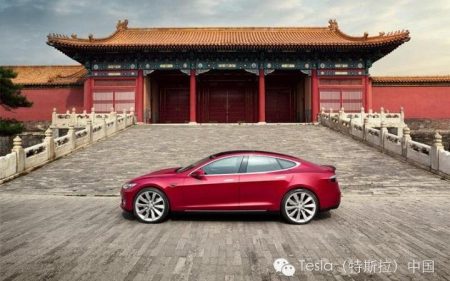
AS ELECTRIC cars become ever-more mainstream this BMW 530e is the latest example of new technology becoming normal.
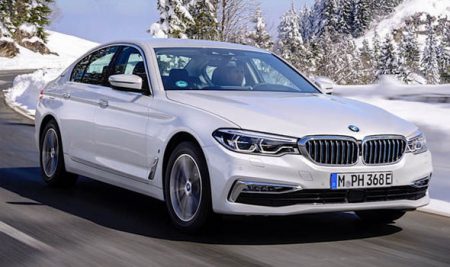
BMW’s new plug-in hybrid version of the already-successful 5-Series could revolutionise the electronic market, especially among business drivers. Plug-in hybrid vehicles work by combining a petrol engine with an electric motor and battery.
That means the car can run on electric power for around 30 miles before the engine kicks in. Alternatively, both the engine and electric motor can work in tandem with the electric one running the car at lower speeds or under light acceleration, switching to or working with petrol when more performance is required.
It takes a sharp eye to even spot that this 530e is the plug-in hybrid version of BMW’s 5-Series saloon, introduced earlier this year. Only details like a blue tint to the grille, blue lining to the BMW badge on the alloy wheels and the eDrive logo on the rear door pillar, as well as the giveaway charge point flap behind the nearside front wheel, mark out this as the ultra-low emission 5-Series.
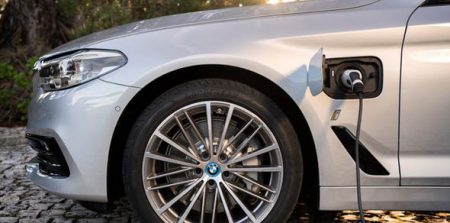
The plug-in hybrid takes the 5-Series to new efficiency levels, which isn’t surprising as it’s the first rechargeable one. The 2.0-litre turbo-petrol engine and 83kw electric motor combine to produce 252bhp, returning an average fuel economy figure of 141.2mpg, though that number is entirely dependent on how much time the car runs on electric rather than petrol, and the emissions figure is 46g/km.
That’s important for company car drivers because anything below 50g/km means lower monthly tax bills. It is also eligible for a £2,500 government grant off the purchase price. The battery helps performance too, giving the 530e a 0 to 60mph acceleration of 6.2 seconds. It is electronically limited to 146mph.
There are three driving modes for how the battery and engine work. In the Auto eDrive setting, the car decides whether to use electric or petrol based on how hard the driver is pressing the accelerator and the car’s speed.
Below 60mph and when not accelerating too hard the battery is employed. Push harder or get to higher speeds and the car switches to petrol. It’s essentially like a regular hybrid, such as Toyota’s Prius.
Read more: Express