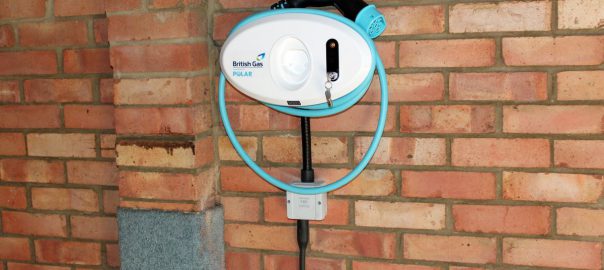
Category Archives: Uncategorized

News posts not yet put into a category.

Vehicle-to-grid charging: could your electric car pay the bills?

EV owners can now charge their cars when energy costs less and then sell back what they don’t use

With the price of electricity through the roof, buying it at a low price during off-peak times and then selling it back at a higher one when demand returns sounds very appealing.

To do this, you need to be able to store your surplus power until the price is right, which is where electric cars, with their large batteries, are essential. It’s why the process is known as vehicle-to-grid or, more modishly, V2G.

The idea is being hotly debated and is regarded, at least by some, as the answer to smoothing out the peaks and troughs in renewable energy supply, making it more practicable and thus reducing our dependency on fossil fuel. The possibility of consumers selling their unwanted renewable energy for a profit is a welcome side benefit, but the real prize, say many, is accelerating the world’s shift to renewables.


Charging with an Ohme smart charging cable

A major step on the road to testing V2G’s viability has just been completed, and the results appear to be positive. Electric Nation, a project involving partners including Western Power Distribution (WPD) and Crowd Charge, a demand management provider, equipped the homes of 100 Nissan EV owners with Wallbox Quasar V2G chargers that charged and discharged their cars’ batteries and gave them a choice of four energy suppliers offering at least two different tariffs, including off-peak.

Read more: Autocar

It’s Time to Go Green!

If you would like to know more about Solar Panels and the PowerBanx range of home battery systems, and get a free instant quote, please complete our online form:

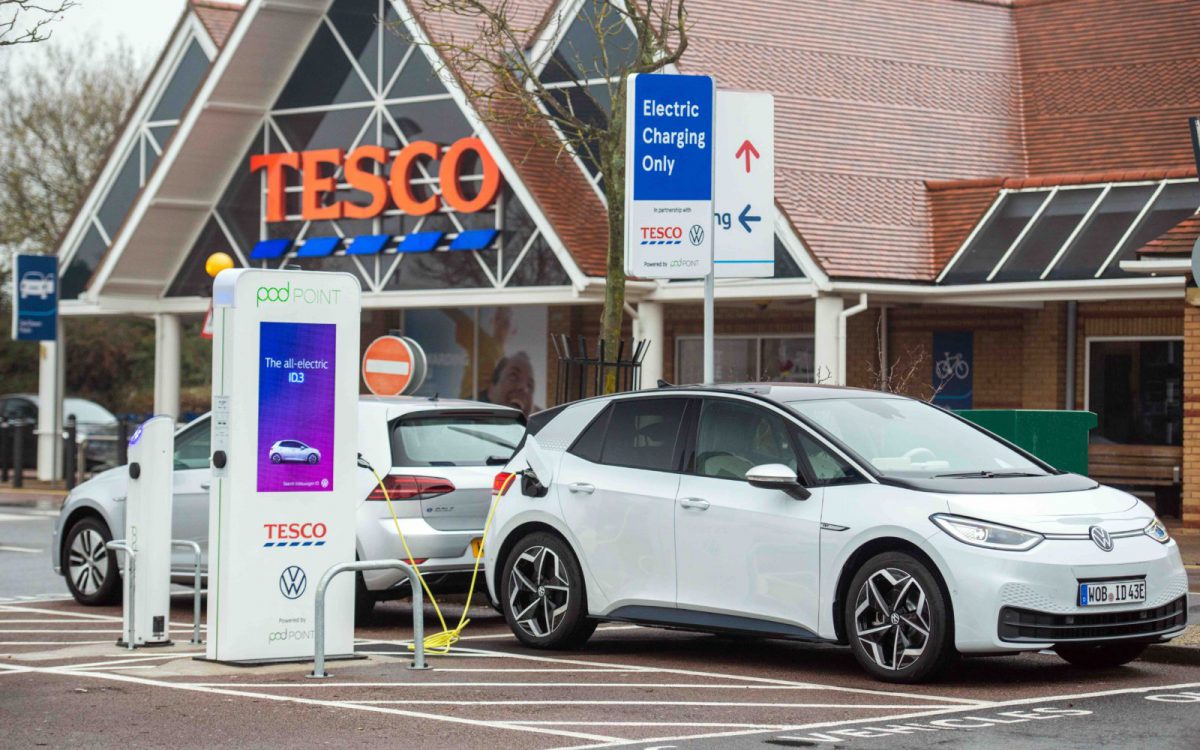
POD Point Rollout at Tesco Stores (Image: Tesco/POD Point)

Are rising fuel prices accelerating the shift to electric vehicles?

In recent months, the UK has seen a rapid rise in the price of filling up at the pumps – adding to the ongoing cost of living crisis affecting millions across the country. But has this helped increase the likelihood of drivers switching to electric vehicles (EVs)?

Morrisons Charge Point (Image: T. Heale)

A survey commissioned by The Motor Ombudsman has revealed that 48% of UK car owners are concerned about owning a fuel powered vehicle due to record petrol and diesel prices – leading them to making the shift to owning a battery powered car as their next vehicle purchase.

According to recent data, the cost of filling up an average family car with a 55-litre fuel tank recently hit more than £100 for the first time.

The survey of more than 2,000 UK car owners revealed that individuals aged between 16 to 24 (64%), and those living in Greater London (65%) are amongst the most worried about petrol or diesel vehicles.

The study also found that, nationally, a similar proportion of male and female drivers (46% and 49% respectively) are apprehensive about owning a petrol or diesel vehicle at a time of soaring prices on the nation’s forecourts.

In recent years, the road to electric has accelerated at speed – with more drivers considering the benefits of switching to EVs.

If you are looking at buying an EV for your next vehicle, this guide on electric cars will provide all the information you will need.

Also, to keep an eye on the average cost of charging your electric car at a public chargepoint, check out RAC Charge Watch.

Read more: RAC

It’s Time to Go Green!

If you would like to know more about Solar Panels and the PowerBanx range of home battery systems, and get a free instant quote, please complete our online form:

Renault Captur Plug-in and Renault Clio Hybrid (Image: Renault)

2022 Renault Megane E-Tech Electric UK pricing announced

The all-electric Renault Megane E-Tech Electric will start from £35,995

Renault has confirmed that the new Megane E-Tech Electric is available to pre-order now, with three trim levels to choose from. It’s an all-new iteration of its long-running family hatchback, sporting crossover styling cues and a pure electric powertrain, and prices start from £35,995.

The new model starts with the Equilibre trim level, then Techno and also the range-topping Launch Edition.

Each trim level of the new Megane E-Tech Electric is powered by a 60kWh battery in the UK, although a cheaper 40kWh variant will be offered in Europe. As standard the Equilibre comes with 18-inch ‘Oston’ alloy wheels, LED headlights, ambient lighting, heated steering, heated front seats and a rear parking camera. Renault has also given the new electric Megane safety features in the form of driver drowsiness alert, lane keep assist and automatic emergency braking.

Inside the Megane there’s a 12.3-inch digital instrument panel and a 9-inch infotainment setup, which runs Android OS. Google services are integrated into the system, which also features Apple CarPlay and Android Auto.

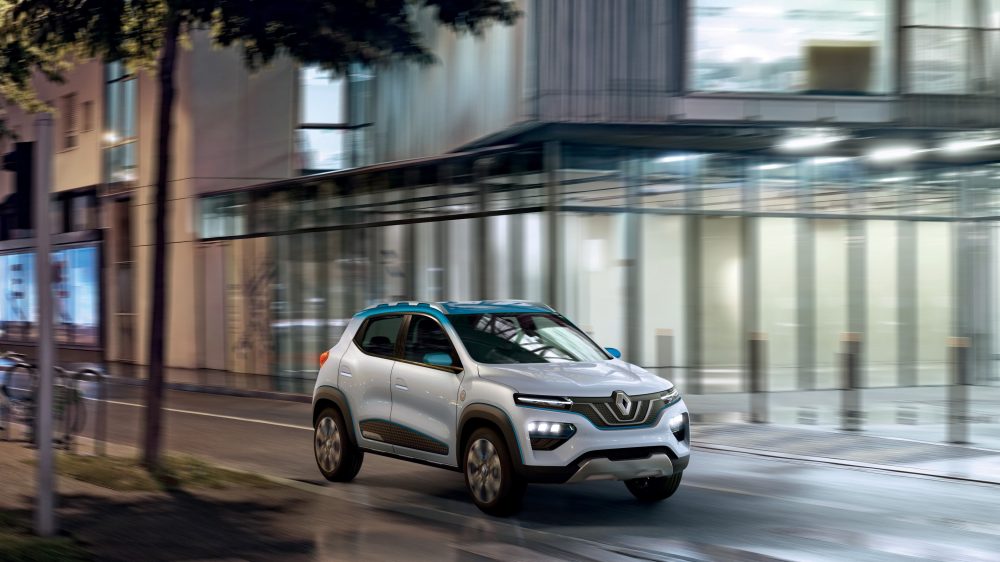
K-ZE All-electric Crossover (Image: Renault)

Techno trim starts from £38,495 and it adds extra safety features such as adaptive cruise control, blind spot monitoring and a rear cross traffic alert. The styling is tweaked, too, with the addition of adaptive LED headlights that feature scrolling indicators and a distinctive running light signature. Larger 20-inch wheels also mark out the Techno.

Read more: AutoExpress

It’s Time to Go Green!

If you would like to know more about Solar Panels and the PowerBanx range of home battery systems, and get a free instant quote, please complete our online form:

Government pulls plug on its remaining UK electric car subsidies

DfT says it wants to focus funding on expanding the public electric chargepoint network

The UK government is ending the last remaining subsidies for electric cars, arguing it will free up funds to expand the charging network and support other battery-powered vehicles.

In a controversial move, the government has closed the £300m plug-in car grant scheme to new orders on Tuesday, the Department for Transport said.

The main industry body said the move will leave the UK as the only big European country without any incentives for electric cars. Carmakers said the decision was not a surprise but “hugely disappointing”.

The government said the grants had created a mature market for ultra-low emission vehicles, helping to increase the sales of fully electric cars from fewer than 1,000 in 2011 to almost 100,000 in the first five months of 2022 alone.

The UK’s electric vehicle drive has put the energy sector on the road to change

Battery-powered and hybrid electric vehicles (EVs) now make up more than half of all new cars sold and fully electric car sales have risen by 70% in the past year, and represent one in six new cars joining UK roads.

The DfT said it wanted to focus funding on expanding the public electric chargepoint network, and £300m in grant funding will be directed towards extending plug-in grants to encourage sales of electric taxis, vans, trucks, motorcycles and wheelchair accessible vehicles, as announced in last year’s autumn statement.

Read more: TheGuardian

It’s Time to Go Green!

If you would like to know more about Solar Panels and the PowerBanx range of home battery systems, and get a free instant quote, please complete our online form:
A full tank of petrol costs £100, but electric vehicle drivers pay just £37 to fully charge

Petrol car drivers are paying more than £100 to fill up their car, while recharging an EV costs just £37

Electric vehicle drivers are saving more than £60 in fuel costs every time they charge their car, according to analysis highlighting the growing financial benefits of moving away from petrol and diesel motoring.

Recharging an electric car has almost always been cheaper than re-fuelling a petrol or diesel motor, but as the price of fuel on the forecourt has soared in recent weeks the savings are now significant.


Analysis published by climate website Carbon Brief suggests that while the UK average cost of filling up a 55-litre petrol car is now almost £100, recharging an electric car to travel an equivalent distance costs just £37.

That delivers EV drivers a saving of £63 per “tank” of fuel, according to Carbon Brief’s policy editor Simon Evans, who conducted the analysis.

EVs are cheaper to refuel in part because they use energy much more efficiently than combustion engine cars, Dr Evans explained, using three to four times less energy to drive the same distance.

Read more: inews

It’s Time to Go Green!

If you would like to know more about Solar Panels and the PowerBanx range of home battery systems, and get a free instant quote, please complete our online form:

POD Point Rollout at Tesco Stores (Image: Tesco/POD Point)

Electric vehicles are now as popular as diesel and petrol cars finds new report

ELECTRIC vehicles are now as popular as petrol and diesel cars for the first time ever as fuel prices hit a record high, according to a report.

According to the Indicata Market Watch report from May, used electric cars are now selling as fast as petrol and diesel cars. The sales of used EVs were up by 68 percent in April 2022. The news comes amid fuel prices reaching record highs.

The cost of filling up an average family car has now exceeded £100 for the first time, with research from RAC showing motorists must now shell out £100.27 to fill up a 55 litre tank with petrol and £103.43 for diesel.


2020 Renault Zoe (Image: Renault)

Prices have been on the up for a while now but have kept rising after it was revealed petrol stations had swelled costs by the biggest daily margin for 17 years on Tuesday.

However, the data also showed that the overall prices for used cars have started to fall.

The report showed that from April to the beginning of May 2022 prices fell by 1.4 percent and are now 0.1 percentage points lower than at the start of January.

Read more: Express

It’s Time to Go Green!

If you would like to know more about Solar Panels and the PowerBanx range of home battery systems, and get a free instant quote, please complete our online form:

A living room on a skateboard: how electric vehicles are redefining the car

Future EV designs offer drivers more space and leisure, with fewer parts making production more sustainable

Take any petrol car sold today and show it to a mechanic working on a Ford Model T 100 years ago and there is a fairly good chance they would understand roughly how it works. An internal combustion engine at the front turns the wheels, carrying a driver behind a steering wheel, some passengers and luggage.

The advent of electric cars changes everything. No longer will the shape of the car be defined so rigidly by bulky engines, exhaust gas handling or driveshafts. At the same time, digital technology promises to replace everything from rear-view mirrors to the human driver. Never has the car industry had to cope with so many changes all at once.


All of these changes will come to a head in the next few years, says Adrian van Hooydonk, the design boss for BMW Group. Carmakers’ main concerns will be electric power and integrating fast-evolving digital technology – all while improving environmental sustainability. “It will be a reinvention,” he says.

Read more: TheGuardian

It’s Time to Go Green!

If you would like to know more about Solar Panels and the PowerBanx range of home battery systems, and get a free instant quote, please complete our online form:

EU Parliament approves ban on new fossil-fuel cars from 2035

European Parliament lawmakers on Wednesday voted to support an effective EU ban on the sale of new petrol and diesel cars from 2035, rejecting attempts to weaken the proposal to speed Europe’s shift to electric vehicles.

The EU assembly voted in Strasbourg, France to require automakers to cut carbon-dioxide emissions by 100 percent by the middle of the next decade. The mandate would amount to a prohibition on the sale in the 27-nation bloc of new cars powered by gasoline or diesel.

Rapid Charging Step 11: Car is Charging (Image: T. Larkum)

EU lawmakers also endorsed a 55 percent reduction in CO2 from automobiles in 2030 compared with 2021. The move deepens an existing obligation on the car industry to lower CO2 discharges by 37.5 percent on average at the end of the decade compared to last year.

The measure passed by 339 votes to 249 with 24 abstentions at a session in Strasbourg – in practice limiting future sales to emissions-free all-electric models.

Cars currently account for 12 percent of all CO2 emissions in the 27-member EU bloc, while transportation overall accounts for around a quarter.

Read more: France24

It’s Time to Go Green!

If you would like to know more about Solar Panels and the PowerBanx range of home battery systems, and get a free instant quote, please complete our online form:

The Fastest Electric Vehicles on the UK Market

Electric vehicles (EVs) have seen what can only be described as a boom in interest over the last three years, as commercially viable iterations of EVs have exploded onto the market from popular manufacturers and industry disruptors alike.

Previous designs of EV would struggle for range and power, rendering them weak competition against the dominant combustion engine technology of petrol- and diesel-powered cars. However, the breakneck pace of technological innovation has solved the viability issues that plagued the EV as a concept – and made electric cars a popular choice for leasing with consumers.

Indeed, there are many models of EV that outperform their petrol-powered competitors, especially when it comes to acceleration. There are at least three models of EV currently commercially available that can achieve 0-60mph in under three seconds – and all of them are four-door coupes. What are they, and how has this come to be?

Read more: uktn

It’s Time to Go Green!

If you would like to know more about Solar Panels and the PowerBanx range of home battery systems, and get a free instant quote, please complete our online form:

Copyright: convisum / 123RF Stock Photo

Electric vehicle switch is a test of the government’s net zero approach

At first glance the UK’s transition to electric vehicles looks like a policy success story. Electric vehicles (EVs) are increasingly visible on our streets; some 40% of drivers say their next car will be electric.[i] This shift is happening elsewhere, too, but the government can claim some credit for policies that have helped put the UK near the front of the pack: a 2030 target for ending the sale of petrol and diesel cars, a planned mandate on manufacturers to produce a certain amount of zero-emission cars (borrowed from a successful scheme in California) and subsidised EV purchases.

Copyright: maridav / 123RF Stock Photo

Lift the bonnet, though, and there are some problems. Charging infrastructure is not keeping pace with sales and, more worryingly, shows signs of being poorly thought through. And the benefits of EVs are overwhelmingly being enjoyed by the well-off, raising questions about fairness. How the government tackles these will be a test not just of its EV policy but its approach to net zero as a whole.

Read more: InstituteforGovernment

It’s Time to Go Green!

If you would like to know more about Solar Panels and the PowerBanx range of home battery systems, and get a free instant quote, please complete our online form: