Category Archives: Electric Cars

News and reviews of the latest electric cars (full electrics and plug-in hybrids).

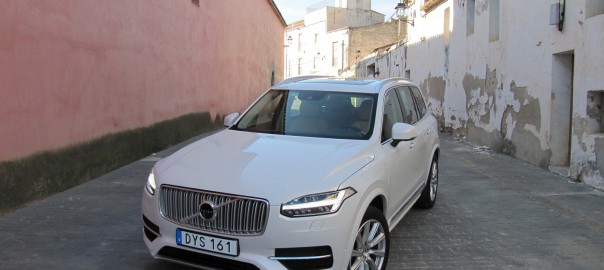
Volvo XC90 PHEV (Image: GCR)

Volvo eyes plug-in hybrid expansion

Surprised at the interest in its new plug-in XC90, Volvo could roll out more [plug-in] hybrids than planned

Plug-in hybrid tech could have more of a role to play than first expected as Volvo looks to increase UK sales from 45,000 to 60,000 in the next four years.

Volvo UK managing director Nick Connor told Auto Express that the company has been caught by surprise at the level of interest in the 390bhp T8 hybrid version of the new XC90.

“We were planning on a three-five per cent take rate of this model,” he said. “But our current rate on sold orders is over 20 per cent. We underestimated it.”

The hybrid is not due to arrive here until late this year, but demand has been so high that it is now sold out until well into 2016.

Connor added that all new Volvos launched from now will be available with hybrid tech. And the low-emissions versions could be available at all price points, rather than just at the top end of the range, as with the XC90.

A spokesperson explained:

“As with XC90 the intention is that it is kept at the upper end of each model, but if it was to be something that grows considerably, we could do it across every model.”

Read more: Auto Express

Earth Day 2015: 8 reasons to buy an electric car

Why 2015 can be the year you go green

We love electric cars. They’re almost always pleasant to drive, and the amount of power available at low speeds makes them incredibly fun to use. More importantly however, they help reduce harm to the environment, contribute to a more sustainable level of energy usage, and create a cleaner urban environment.

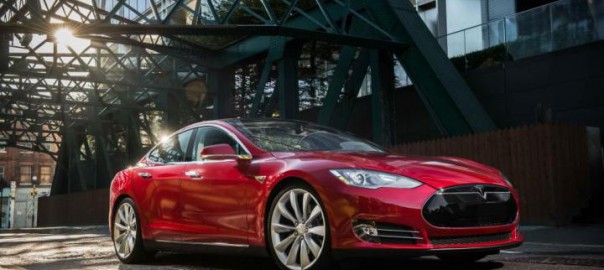
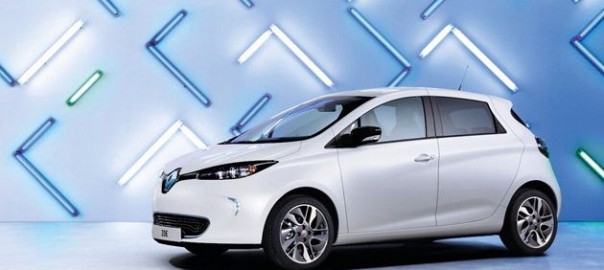
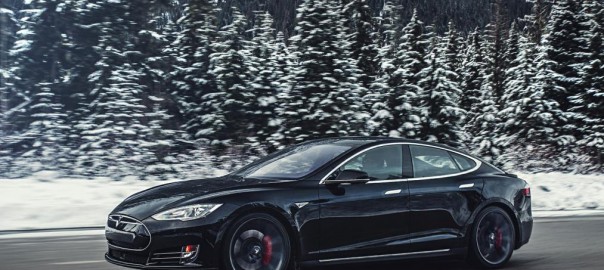
The Nissan Leaf is a spacious city car, the dinky Smart ForTwo is perfect for slinking around city streets, and the Renault Zoe is the cheapest car to run according to our Driver Power survey. The Tesla Model S is an incredible car and beats many conventional fuel-burners, with its 0-60mph time of 3.1 seconds and top speed of 155mph.

Still need convincing? Here are eight reasons to buy an electric car this year:

1. Electric cars are quiet

One of the most striking features of an electric car is the silence with which it operates. We’re accustomed to the noise generated by an internal combustion engine, but pulling away from the lights in a Ford Focus Electric makes no noise at all. The result is a very calming driving experience, as well as a quieter environment.

2. Electric cars are fast

An electric drivetrain enables a car to use almost all of its power immediately. A petrol or diesel car won’t be able to use all of its power until the engine is turning at a specific speed – an electric motor is always generating as much power as it can. The effect? A quick car – the Tesla accelerates faster than an Audi R8.

3. Electric cars are reliable

There aren’t many moving parts in an electric car. Those parts that do move are relatively simple and robust – electric motors are clean, safe technology. Fossil fuel cars, meanwhile, rely on combustible fuel and a plethora of perishable, metallic components that wear out and need replacing.

4. Electric cars are cheap

They might not be as cheap as their gas-guzzling counterparts, but they’re not far off. The Tesla Model S is obviously a bit of an anomaly, as – despite its supreme value – it’s a very high-end product. But electric cars start at well under £20,000 and finance options are available, making them easily attainable to most drivers and families.

5. Electric cars are good for the planet

It’s barely worth mentioning, but electric cars are vastly better for the environment than their petrol or diesel counterparts. The generation of electricity depends partly on fossil fuels, but the percentage is falling and it’s still a more efficient process than burning petrol on an individual basis.

6. Electric cars are good for your town

“The environment” includes your personal one. Towns and cities, especially congested ones like London, suffer from pollution caused by conventional vehicles. Pollution warnings are becoming common in the capital – everyone’s life would improve if petrol and (especially) diesel cars were replaced with electric vehicles.

7. Electric cars are cheap to run

The Renault Zoe is the cheapest car to run according to Carbuyer and Auto Express readers who contributed to the Driver Power survey. You can expect to pay a couple of pence per mile, and sophisticated charging systems enable you to charge your car when electricity demand is at its lowest nationally (and therefore prices are at their lowest). What’s more, a lack of maintenance overheads and a wide variety of incentives and discounts make owning an electric car a clever financial move.

8. Electric cars are probably the way of the future

Fossil fuels are a finite resource. The way we depend on them for transport is going to have to change, and the best option we have at the moment is electricity. They’re likely to become the norm in the next few decades, so the question isn’t so much whether you should buy an electric car – it’s when.

Source: Car Buyer

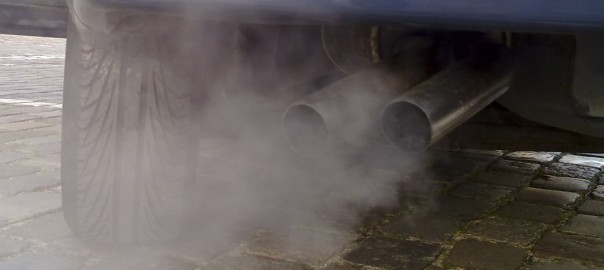
Car exhaust pollution (Image: Wikipedia)

Could Nottingham get a low-emission zone?

Nottingham could become a pioneer of fume-free electric transport thanks to recent innovations and grants.

A low-emission zone in Nottingham city centre is at the heart of proposals to encourage electric cars and improve the urban environment.

Under the plan, which would also mean the creation of a city-wide electric charger network, there could be fines for vehicles entering the city centre and failing to meet emission thresholds.

But there is no need for private drivers to panic.

A Nottingham City Council official confirmed to the Post that the targets would be buses, taxis, heavy goods vehicles and large goods vehicles.

“How we measure emissions is still up for consideration,” she said. “We will be looking at how other cities deal with it.”

The proposals will be part of Nottingham’s bid for a chunk of the £35 million the Government is making available through its Go Ultra Low initiative.

Nottingham is one of 12 cities selected to make a detailed bid and up to four winners will be named in the autumn.

Features of the city council plan include…

  • A low-emission zone in the city centre and a city-wide network of electric vehicle charging points.
  • A scheme to encourage local businesses to use low-emission vehicles, including grants.
  • Incentives for the public to rent electric cars in the City Car Cub fleet – an alternative to car ownership.

Councillor Jane Urquhart, portfolio holder for transport and planning at the council, said:

“After getting over this hurdle, the city council now has the chance to develop its electric vehicle vision further.

“At the heart of this is providing a comprehensive network of charging points for both residents and businesses to use.

“Making the city centre a low-emission zone would improve air quality and make the environment there much better.

“The introduction of electric City Cycles and Car Club vehicles will give people access to low-emission vehicles and we propose to develop a demonstration site so that residents and businesses can see that switching to low-carbon transport is easier than they might think.

“The city council will work with local energy suppliers to see how locally-generated electricity can be used to power our electric transport vision.”

The Go Ultra Low bid comes at a time when quiet, clean, electric-powered travel is getting a higher local profile.

Greater Nottingham’s second and third tram routes will open this summer, improving public transport in the western and southern suburbs.

At least one private hire firm is running all-electric cabs – DG Cars has added Nissan Leaf cabs to a fleet that also includes more than 90 hybrid vehicles.

“Nottingham is aspiring to be one of the greenest cities in the UK,” director Ian Pole said at the time of the purchase, “and this is the way we feel the transport industry should be going.”

Aside from trams and electric cars, Nottingham is making headlines with electric buses.

In the Linkbus service the city already has the largest electric bus fleet in Europe.

Now it is set to have the UK’s first all-electric park-and-ride service (see panel).

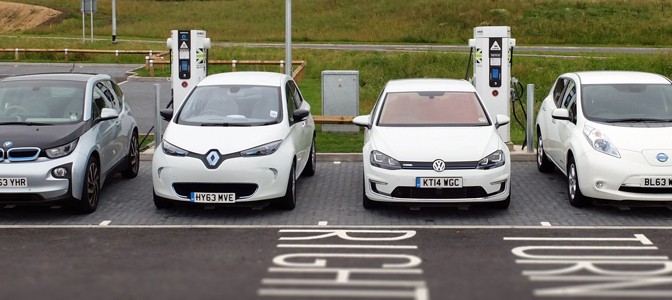
One of the inhibitors to the growth of electric car ownership has been the patchy provision of top-up charging points.

If Nottingham gets a share of the Go Ultra Low cash, part of it will be used to create charging units at both the Victoria and Broadmarsh centres, Eastcroft Depot, park-and-ride sites, city council and hospital car parks, Car Club bays and Nottingham and Bulwell stations.

The ideas is that a reliable network could incentivise business and private buyers to think electric when it is time to replace their vehicles.

There would be investment in electric bikes and in more electric vehicles in the Car Club project.

The city and county councils say they are committed to getting more ULEVs (ultra low-emission vehicles) in their fleets.

“Nottingham is in the process of setting up its own local energy company,” said a city council spokesman, “and as part of these arrangements we will work in partnership with local energy partners and suppliers to explore local energy generation and consider the potential impacts on grid capacity and any necessary mitigation to cope with local supply to support an electric transport system.”

He said the proposals, taken as a whole,

“would show a plan to encourage smarter travel options, making electric vehicles easier to use for domestic and business purposes”.

At the AA, Paul Watters said:

“The internal combustion engine is going to be here for a long time as a mainstream power source.

“The cost of purchase of electric vehicles will still be a factor for many people, even after the £5,000 grant.”

The Government is guaranteeing conditional £5,000 grants towards the private purchase of the first 50,000 plug-in cars.

Some 25,000 grants have already been made.

Source: Nottingham Post

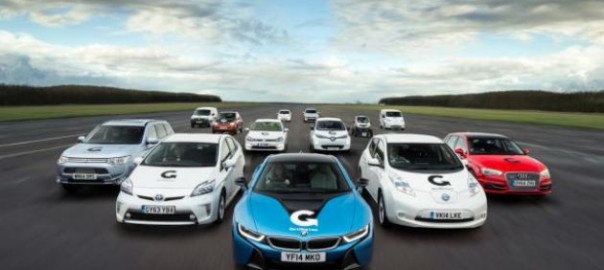
Go Ultra Low members boast 15 ULEVs across a range of segments (Image: OLEV)

Satisfaction high for electric cars

Britain is switching on to the electric revolution, with four of the top 10 cars in a recent high-profile ownership satisfaction survey being electric or hybrid.

The Auto Express Driver Power survey, which saw 61,000 responses from car owners, was topped by the third-generation Lexus IS 300h with an outstanding satisfaction score of 93.96%.

Lexus also scored sixth overall with its NX 300h – an impressive result for such a new car.

Renault’s Zoe all-electric car pipped the NX to fifth place, though, and classified as the best electric car ahead of the Nissan Leaf, which placed eighth overall.

It is the first time that all-electric cars have finished in the Driver Power top 10, and the first time that a hybrid has won the overall honours.

Second place was taken by the first-generation Skoda Yeti, with the brilliant and recently introduced Hyundai i10 completing the podium.

The current Seat Leon was fourth and won its class, while there were strong results for the Jaguar XJ, Mini three-door hatchback and, against all expectations, the MG3, which came 10th overall.

Steve Fowler, editor-in-chief of Auto Express, said:

“Car buyers are attracted by the low running costs of hybrid and electric cars, but Driver Power 2015 shows that the whole ownership experience for these cars is pretty enjoyable too.”

Source: BT.com

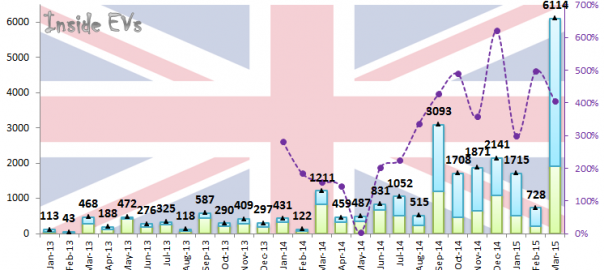
Plug-in Car Registrations in UK – March 2015 (Image: Inside EVs)

Plug-In Electric Car Sales In UK Went Through The Roof – 6,000 In March

Number plate changes in March and September always raise car sales in the UK and that was no different last month.

Just as we predicted, expecting a record high 5,000-7,000 plug-in car registrations, the UK landed at 6,114 electric car registrations in March!

This is over 400% more than in March 2014 and the registrations bar jumped off our graph scale!

Plug-in Car Registrations in UK – March 2015 (Image: Inside EVs)

Market share for plug-ins exceeded 1.2% of all new car registrations.

The big winner is Mitsubishi, which said that 55% of all plug-ins sold in the UK in March (3,300) were Outlander PHEVs!

“Mitsubishi Motors (UK) confirmed earlier this month that exactly a year after its launch, the Outlander PHEV has now overtaken every other plug-in hybrid and pure-electric vehicle, including the Nissan Leaf and the Toyota Auris and Yaris hybrids. The Outlander PHEV accounted for 55% of the plug-in car market in the month of March[2].”

Mitsubishi Motors (UK) Managing Director, Lance Bradley, said:

“For Mitsubishi, 2014 has been an incredible year of dramatic growth across the Mitsubishi range. We have made impressive and sustainable progress, and as confirmed last week, we are delighted to have broken records with the launch of the UK’s best-selling hybrid vehicle. There is a great feeling across the Mitsubishi network – FY14/15 has been a very special year.”

Nissan can be happy too, as 1,254 LEAFs were delivered.

Plug-in hybrids had 4,209 registrations, while pure electric had 1,905.

Source: Inside EVs

The Renault ZOE will benefit from a 35% discount from 1st April 2015

Renault ZOE rated best EV in Auto Express Driver Power 2015

  • ZOE debuts in owner survey in 5th place overall
  • ZOE rated 1st for running costs of all 200 entrants
  • Ease of driving commended with 2nd place overall finish
  • ZOE rated best EV – five places ahead of nearest electric rival

The 100% electric Renault ZOE supermini has been highly commended by owners in the Auto Express Driver Power 2015 survey out today finishing an impressive fifth overall out of 200 vehicles and rated as the best electric vehicle to own.

Finishing five places above its nearest all-electric competitor, with a score of 92.87 per cent, the ZOE was also rated the best vehicle in this year’s survey for low running costs as well as second overall for ease of driving. ZOE, in its debut survey year, was ranked second, out of 43 vehicles, in the competitive supermini category.

The ZOE also scored well for In-car technology and performance with owners rating the car ninth and fifteenth respectively out of the 200 entrants.

Commenting on the ZOE’s performance in the survey, Ben Fletcher, Renault UK Electric Vehicle Product Manager, said:

“The Renault ZOE offers the recognized benefits of all-electric vehicles in an ultra-stylish and highly-affordable package. It’s no wonder that owners are so delighted with their cars.”

Steve Fowler, Auto Express Editor-in-chief said:

“Breaking into the Driver Power top five is a significant achievement for the Renault ZOE. Owners of electric cars clearly love their vehicles – and the ZOE, in particular, has a winning formula of low running costs and decent performance, plus it’s very easy to drive, too.”

The Auto Express Driver Power survey had its largest response ever in 2015 with 61,113 car owners, up 20 per cent on 2014, completing the comprehensive survey about their vehicle ownership experience.

The Renault ZOE has won numerous awards since going on sale in 2013 including being named What Car? Magazine’s ‘Best Electric Car for under £20,000’ for the last two consecutive years.

ZOE is one of three all-electric Renault models including the innovative Twizy urban vehicle and the Kangoo Z.E. Van. ZOE can be purchased in two ways, either outright, from £18,443, or from £13,443 with a battery lease from £25 per month (including the Government Plug-In Car Grant) and can charge its batteries in as little as 30 minutes.

A new longer-range version of ZOE, with a new Renault-developed motor, was announced at this year’s Geneva Motor Show which will bring a best-in-class official range of 149 miles when it joins the ZOE line-up in May.

Sales in the UK of Renault’s electric models were up 90 per cent in 2014 to 1,286 vehicles and continued this strong growth in the first three months of 2015 with sales up 148 per cent to 401 vehicles.

Source: Renault Group UK Press Office

Tesla Model S P85D (Image: AutoExpress)

Norway to review electric car subsidies as sales soar

Norway is reviewing its subsidies for electric vehicles after generous government incentives made the country the biggest user of battery powered cars in the world, hurting state revenues, the finance ministry said.

Norway registered its 50,000th electric car on Monday, almost three years earlier than expected thanks to government schemes that have cut taxes and provided a plethora of benefits, including an exemption from tolls and parking fees, free recharging stations and the use of bus lanes.

A fifth of all new cars sold in Norway have been electric so far this year and tiny Norway, with just 5.1 million people, accounted for a third of all European battery powered car sales last year, official data showed.

“Our goal is to present a final agreement on the review of the future of automotive and fuel taxes,” the finance ministry said. “The outcome of the review will be announced in the revised budget (due in May).”

The current incentive scheme has been in place since 2012, but it came under criticism last year when sales of the Tesla Model S, a luxury sedan, soared and the budget lost 3 to 4 billion crowns ($380 to $510 million) in expected revenue.

Teslas, starting at about $70,000 and retailing for about$100,000 with extras, accounted for three percent of sales last year, prompting calls to end subsidies for wealthy buyers. Sales of the Nissan Leaf and Volkswagen e-Golf have also risen.

The Norwegian Electric Car Association argues that the benefits need to be maintained longer as only two percent of the cars on the road are electric, still a relatively small figure even if Norway leads the rest of the world by a wide margin.

Norway generates nearly 100 percent of its electricity from hydropower so the shift to battery powered cars results in a net reduction in greenhouse gas emissions — part of the country’s plans to reduce emissions by at least 40 percent by 2030 compared to the 1990 level.

Norway is also Western Europe’s biggest oil and gas producer with about 3.7 million barrels of oil equivalents per day and its offshore energy sector accounts for a fifth of the economy.

Source: Reuters

Sales of ULEVs reach all-time high with many top models at record-breaking Fleet Show

[April 2015] Sales of Ultra Low Emission Vehicles (ULEVs) have reached an all-time high as fleet buyers increasingly switch to greener options. And fleet decision-makers will have an unrivalled opportunity to evaluate some of the most popular models at the record-breaking Fleet Show at Silverstone next month.

According to the latest research from the Go Ultra Low campaign, 8,573 passenger cars with CO2 emissions lower than 75g/km were registered in the first quarter of this year, a year-on-year increase of 386%. Fleets have led the way, accounting for more than 68% of the market, or 6,045 new models.

And fleet decision-makers have the chance to assess some of the very latest models for themselves at the Fleet Show at Silverstone, which is being sponsored by Barclaycard Fuel+ in association with TMC, with four of the country’s top five most popular cars available at the event.

Leading the way are the latest ultra-low emission models from BMW, which claimed two of the top five places in the league table of most popular models, with the i3 and i8. BMW’s highly acclaimed i range also comes with a comprehensive line-up of support packages, including access to charging networks, home charging solutions and the use of conventionally-powered cars for long trips.

The country’s second most popular model, according to the Go Ultra Low figures, is the Nissan LEAF, the world’s biggest selling electric vehicle. Offering rapid charging to 80% capacity in just 30 minutes, this C-segment hatchback has a range of up to 124 miles from a single charge of its pure electric powerplant.

Also on show will be the fourth most popular model, the Renault ZOE, currently the most affordable EV on the market. Now available with the option to purchase the battery instead of leasing it, the ZOE has a range of 130 miles and, like the LEAF, offers 30-minute rapid charging.

Other ULEVs available at sell-out Silverstone on 12 May will be the Volvo V60 Plug-in Hybrid which combines a diesel engine and an electric motor to mix strong performance CO2 emissions of just 48g/km.

Meanwhile at the luxury end of the market, Californian all-electric luxury car manufacturer, Tesla, will have its Model S, which offers a range of up to 310 miles on the New European Driving Cycle (NEDC), available for test driving.

“These latest sales figures from Go Ultra Low show that, in today’s extremely emissions-conscious fleet market, ULEVs are of increasing importance. Fleet buyers are leading the way in a surge of ULEV registrations in the first quarter of 2015, and this is a trend we expect to see continued throughout the year.

“Some of the very latest ultra-low emission models will be available at Silverstone this year so that fleet decision-makers will have the perfect opportunity to assess them in a variety of different driving conditions,” said Jerry Ramsdale, Show director and publisher of Fleet World.

The Go Ultra Low campaign, the first of its kind, which brings together a consortium of seven leading vehicle manufacturers (Audi, BMW, Mitsubishi, Nissan, Renault, Toyota and Volkswagen), the Office for Low Emission Vehicles and the SMMT, will be running a workshop at the Fleet Show discussing the benefits for fleet operators of including ULEVS on their fleet policy lists.

This year’s Show has already attracted a record-breaking 25 vehicle manufacturers, including several who have never participated in the event before, such as Ford Motor Company and Fiat Chrysler Automobiles.

They will be displaying the very latest in powertrain developments, including the most recent low-emission, tax-busting conventional ICE (Internal Combustion Engine) advances as well as the newest hybrid and electric technology.

Show visitors will again be able to experience test driving on three circuits of the world-famous Silverstone Grand Prix venue, plus off-road driving on the 4×4 course.

However, as with other Fleet Shows, it isn’t simply about test driving. A visit to Silverstone in May provides an appealing mix of education, networking and static displays that guarantee a day out of the office will not be wasted.

Back again by popular demand are the highly successful fleet training sessions, first introduced last year, which involve a series of interactive workshops run by practising fleet managers. The 30-minute workshops will tackle key fleet topics and are the perfect forum to find out something new in fleet management.

Meanwhile, halls 1-3 of the Silverstone Wing will again play host to a wide-ranging fleet exhibition boasting a diverse array of exhibitors. This area will also provide Show visitors with the chance to hold face-to-face meetings and socially interact with exhibitors and other visitors alike.

Source: EV Fleet World
Electric Cars Fast Charging (Image: BusinessCarManager.co.uk)

OLEV explores higher funding for EVs for next Plug-in Car Grant

The Office for Low Emission Vehicles (OLEV) will begin a review of the Plug-in Car Grant in May, seeking to launch a replacement scheme which will recognise the diversity of the technology available.

Launched in 2011, the grant offers funding of up to £5,000 or 35% of the car’s value against the purchase of a new vehicle, provided it emits less than 75g/km CO2, offers an electric range of 70 miles (10 for plug-in hybrids) and can reach 60mph, as well as satisfying safety and warranty criteria.

OLEV began sorting eligible vehicles into three categories on the 1st April, but the scheme will continue to offer the current funding level until all 50,000 grants have been awarded. It’s likely the subsequent scheme will offer progressively higher funding for vehicles which prioritise electric driving.

So Category 1 is tailored towards fully electric cars, with a 50g/km CO2 cap and a battery-powered range of at least 70 miles, though the BMW i3 REX is eligible.

Category 2 and 3 cover most plug-in hybrids and range extenders, the first setting a 50g/km cap but with a range of between 10 and 69 miles, and the latter spanning CO2 emissions of between 50 and 75g/km with an electric range of at least 20 miles.

Plug-in Hybrids, led by the Mitsubishi Outlander PHEV, outsold battery electric vehicles more than two-fold in the first quarter of 2015, according to data from the SMMT. However, not all plug-in hybrids are eligible for the grant.

OLEV said it will announce the structure of the new grant scheme once the review is complete.

Source: Fleet World

First London Customers Review All-New Metrocab – Video

A pilot fleet of Metrocab plug-in hybrid taxis developed by Frazer-Nash Research Ltd and Ecotive Ltd has been tested in London since November 2014.

Developers just released video showing first customer reactions, which seem very positive.

Metrocab chairman, Sir Charles Masefield, said:

“This is the first purpose-built Range-Extended Electric taxi to be licensed in any metropolitan area in the world and we are thrilled with our customers’ reactions to it, as shown in the film. It’s comfortable, quiet, spacious, has a panoramic glass roof affording unrivalled views of our great city, day or night, and our drivers love it too. I am delighted with the pilot fleet’s success, it allows us to gather invaluable operational, customer and driver data before committing the vehicle to volume production.”

Source: Inside EVs