Category Archives: Electric Cars

News and reviews of the latest electric cars (full electrics and plug-in hybrids).

Electric vehicles offer big savings on servicing

At last some data to confirm what most EV owners already suspected

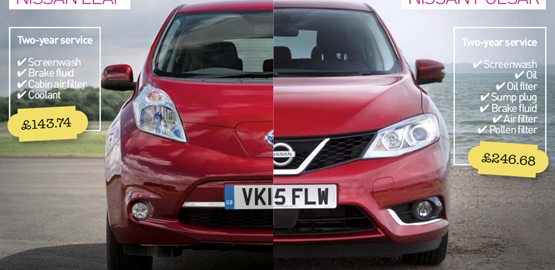
When fleets compare electric vehicle (EV) costs with diesel, most of the emphasis is put on the P11d price and fuel. However, there are also significant differences in service and maintenance costs. Put simply, servicing and maintenance of a fully-electric vehicle is estimated to cost between 25% and 40% less than that of a petrol or diesel car.

“There are fewer parts that will require maintenance in an EV,” explains Chris Chandler, principal consultant, fleet consultancy, at leasing giant Lex Autolease.

Unlike petrol or diesel vehicles, which have dozens of moving components in their engine and transmission, EVs have a simple drivetrain, typically consisting of just three parts: an on-board charger, inverter and motor.

When Ford unveiled its Focus electric car in America in 2012, it listed more than 20 items used in petrol and diesel cars but not in EVs that require inspection, maintenance or replacement over a vehicle’s 10-year/150,000-mile life.

These included the alternator, power steering fluid (it uses electrical assistance), radiator and assorted pipework, spark plugs, starter motor, thermostat, timing belt and a water pump.

screenshot140_w555_h555_unk

This makes an EV cheaper and means there are fewer moving parts to go wrong, resulting in improved reliability and on-road times.

On top of this, EVs require no oil changes, spark plugs, air filter, transmission fluid, exhaust pipe or radiator hoses, all of which can add to the service, maintenance and repair (SMR) costs of a petrol or diesel vehicle.

The relative simplicity of an EV’s drivetrain is reflected in its SMR costs, according to Nissan. It says that both the Leaf and Nissan e-NV200 cost “considerably less to service and maintain than diesel or petrol alternatives”.

Read more: Fleet News
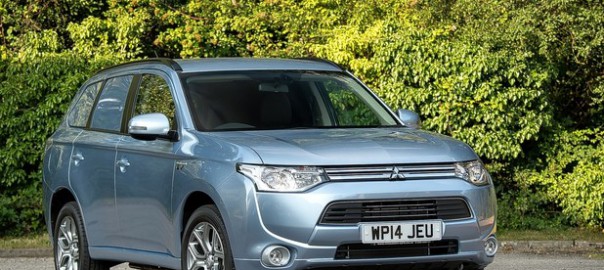
Mitsubishi Outlander PHEV

Mitsubishi Outlander PHEV (2015) review

Car Magazine reviews the Outlander PHEV

► Petrol-electric plug-in hybrid SUV
► Averages 148mpg – on paper…
► Tall car, low CO2 emissions, and low tax

Mitsubishi success stories have been a bit thin on the ground since the WRC glory days and Evo/Impreza wars heyday. But the Mitsubishi Outlander PHEV is actually doing rather well for itself, in the world of fleet sales at least.

Mitsubishi Outlander PHEV

That’s because PHEV, of course, stands for Plug-in Hybrid Electric Vehicle, and the Outlander’s partial electrification means it’s allowed to declare improbably low CO2 emissions of 44g/km, which in turn mean a lower-than-low company car tax band.

Officially, it’s the best-selling plug-in car in the UK – and by an enormous margin. That alone makes it worthy of investigation. Is the PHEV’s appeal more than just BIK-band deep?

How much does the Mitsubishi Outlander PHEV cost?

Were you to buy one outright, prices start at £28,249 for the entry-level GX3 trim, rising to around £40k for the most kit-laden examples at the time of writing (and with the current £5k government grant for plug-in cars factored in). Post-grant, the PHEV is priced to compete directly against the conventional diesel-engined Outlander. So there’s no hefty premium for plugging in here.

But the majority of Outlander buyers are likely to be spending their company’s money, not their own, because it’s in the fleet world that the PHEV makes the most sense. That 44g/km CO2 rating places the car in the lowest possible BIK banding of 5% (for 2015/16 – it’ll rise a little each year), which represents a temptingly huge potential saving over a similarly sized conventionally powered SUV. Plus the handy bonus of ducking under the London congestion charge.

Read more: Car Magazine

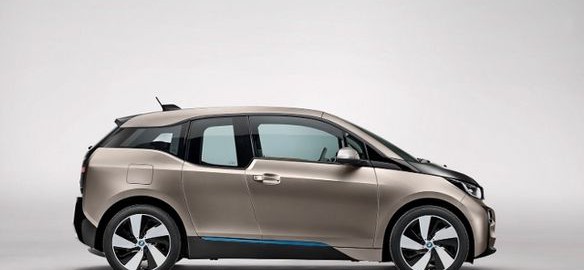
BMW i3

10 Most Fuel-Efficient Luxury Cars Of 2015

Kelley Blue Book released its list of the “10 Most Fuel-Efficient Luxury Cars of 2015.”

Ranking is opened by BMW i3 (second year in a row in the # 1 spot), followed by Tesla Model S, Mercedes-Benz B-Class ED, Cadillac ELR and BMW i8. Plug-ins capture the entire Top 5.

BMW i3
BMW i3

Best hybrid is at 6th and with more plug-in models coming, next year plug-ins could take the entire Top 10.

  1. 2015 BMW i3
  2. 2015 Tesla Model S
  3. 2015 Mercedes-Benz B-Class
  4. 2014 Cadillac ELR
  5. 2015 BMW i8
  6. 2015 Lexus CT 200h
  7. 2016 Lincoln MKZ Hybrid
  8. 2015 Lexus ES 300h
  9. 2015 BMW 328d
  10. 2016 Audi A3 TDI

About the winner:

“BMW’s i3 tops this list for the second year in a row. This electric 4-door’s design is modern and fresh, and truly stands out on the road. Not only is the i3 the most fuel-efficient luxury car, it’s the most fuel-efficient car, period. Adding a cure for anxiety is an available range-extending gas engine.

City/highway/combined mpge: 137/111/124
Range: 81 miles”

Source: Inside EVs

This car uses green technology, not just to reduce emissions, but to go faster

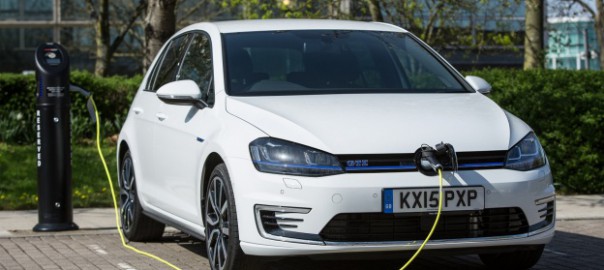
VW Golf GTE is perfect for polar bear-loving speed freaks

The author doesn’t seem to get the difference between a hybrid and a plug-in hybrid, but otherwise it’s not a bad review

This car uses green technology, not just to reduce emissions, but to go faster

Until recently, hybrid cars were pretty sedate affairs. They were either for celebrities to be seen in, or they were the car your Uber driver arrived in. Now that’s changing, with the latest hybrids ranging from McLaren’s £866,000 P1 supercar to a string of saloons and hatchbacks from a range of mainstream car makers.

Enter Volkswagen and the new Golf GTE. Since the 1970s, the Golf has been the goose that laid the golden egg for VW, and the latest generation, the Mk VII, is an all-round brilliant machine. The GTE is its latest incarnation.

The idea is that if the all-electric VW Golf, which has a range of around 90 miles, leaves you worrying about broken charging stations and range anxiety, this new plug-in hybrid Golf GTE will tempt you. This, then, is a fast hybrid, a kind of Greenpeace-friendly hot hatch for polar bear-loving speed freaks.

The power comes from a combination of a 148bhp turbo-charged petrol engine and a 101bhp electric motor, which when combined can push out a maximum of 201bhp. The electric motor will charge in less than four hours from a domestic socket, or in just over two hours at a rapid-charging station of the type increasingly found at motorway service stations. This combination makes the GTE quicker to 60mph than the diesel-powered Golf GTD, while at the same time offering economy and emission figures to make a Toyota Prius blush, and leaving owners with a zero road-tax bill. If your daily commute is less than 31 miles (the electric-only range) this car offers incredibly low ownership costs and you could (theoretically) never fill up the tank.

However, this will depend on which of the five different drive modes you select, ranging from pure electric “E-mode” to “GTE”, which uses the petrol and electric powers to make this green Golf very quick indeed. If you indulge in this burst of power, though, electric range will drop to nearer 20 miles and the promised economy will be impossible to attain. Critics will say that it doesn’t live-up to the true heritage of the Golf GTI and doesn’t deserve the first two letters of its name. But this car uses green technology, not just to reduce emissions, but to go faster, to make driving fun. And that’s something to be celebrated.

Source: Independent

Low cost electric vehicle charging brought to over 200 charging points in Milton Keynes

Lower cost electric vehicle charging in Milton Keynes

This is hopefully a good sign that drivers’ concerns over high charging costs are being listened to.

Milton Keynes Council and Chargemaster have announced an improved vehicle charging network, offering upgraded charging points and reduced costs for electric vehicle owners in the borough.

Low cost electric vehicle charging brought to over 200 charging points in Milton Keynes

Chargemaster, as Milton Keynes’ electric vehicle charging partner, has significantly reduced costs of charging private and company electric cars in the city, with prices now lower than the typical cost of charging at home.

The new POLAR Plus subscription scheme has a usage rate of just 9p per kWh with effect from August 10th, 2015 and applies to over 200 charging points in Milton Keynes including 50 rapid chargers recently installed under a government-funded scheme.

This compares with a typical home electricity rate of approximately 11p per kWh.

Membership of POLAR Plus costs £7.85 per month – similar to popular streaming services Netflix or Amazon Instant – and the first six months’ subscription is free.

Membership gives EV drivers unlimited access to over 4000 POLAR charging points across the country.

In addition, members can accrue usage points, enabling them to borrow, for one week, a range of electric cars through POLAR EXPERIENCE. This fleet includes the BMW i8 and Tesla Model S, as well as Nissan LEAF, Renault ZOE and the fun Renault Twizy.

In future, new EVs launching, including the Tesla Model X SUV and vehicles from Audi and Mercedes, will be available for members to sample shortly after their introduction.

Milton Keynes has already established itself as an extremely convenient location to own an electric car with more rapid chargers than any other city in Europe.

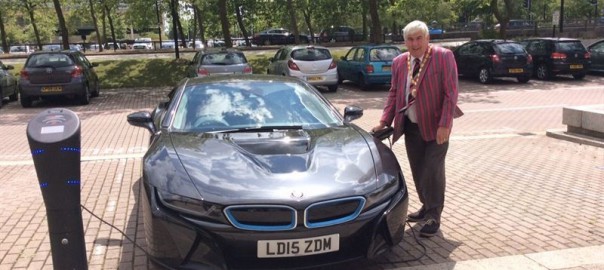
Milton Keynes Mayor Keith McLean, who test drove the BMW i8 this week, said:

“Electric cars are truly here to stay now with virtually every car manufacturer bringing out new plug-in models. I am proud that Milton Keynes now has such great facilities to encourage low emission vehicles.”

Read more: One MK

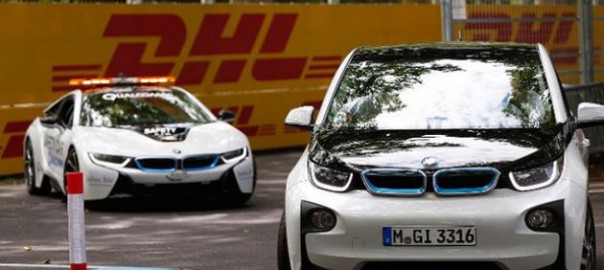
The BMW i3 and i8 used by Formula E

Record sales of BMW i3 and i8

BMW has seen sales of its electric division exceed 30,000 units by the end of the first half of 2015.

The i brand was launched in November 2013, when the i3 went on sale. More than 26,000 of the five-door family cars have been sold since then.

The BMW i3 and i8 used by Formula E

The i range was doubled when the i8 was launched last year. So far almost 4,500 units of the striking-looking plug-in hybrid sportscar have been sold.

In June 2015, total i range sales were 2,017, a rise of 65 per cent compared to the same month in 2014.

There has been a surge in the uptake of electric vehicles across the board. Vehicles such as the i3, the Nissan LEAF and the Mitsubishi have all played an important role in advocating a switch to electric transport.

With the UK government grant cap of 50,000 registered plug-in vehicles looming ever closer (now over 40k overall), the question is whether this uptake will continue to grow without the funding?

Source: Next Green Car

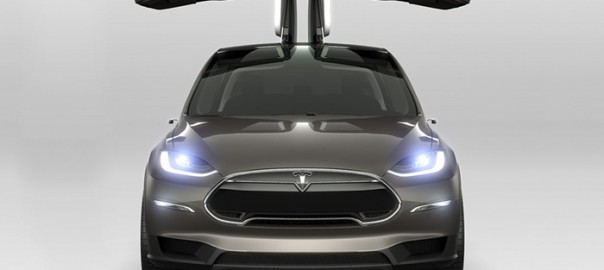
The Tesla Model X is the electric car company’s third car, designed to appeal to the SUV-crossover market (Image: Tesla Motors)

Tesla’s Model X available from September

Elon Musk’s third electric car will be delivered to customers in the US after three years of delay, with over 20,000 pre-orders

Tesla’s much delayed electric sports utility vehicle is due to finally reach customers, starting in September, Elon Musk has announced.

The Tesla Model X is the electric car company’s third car, designed to appeal to the SUV-crossover market (Image: Tesla Motors)

The Model X was originally unveiled in 2012 alongside the first deliveries of the Model S sedan and was expected to go into production in 2013. Musk announced two subsequent delays as the company struggled to meet demand for the Model S and the motoring company’s expansion plans.

The Model X has a higher ride height, all-wheel drive and can seat up to seven, making it the largest vehicle available from Tesla Motors. More than 20,000 people have already paid a $5,000 deposit to reserve one of the new models. Pricing is expected to be similar to the Model S, which starts at £50,000 in the UK.

Musk confirmed that the company’s Model X car configurator would be available online in the next three weeks and that customers will start recieving new cars by 30 September.

The Roadster, Tesla’s first car, the Model S, and now the Model X, are being used to pave the way for Tesla’s Model 3, which is Musk’s vision of a mass market electric car.

Read more: The Guardian

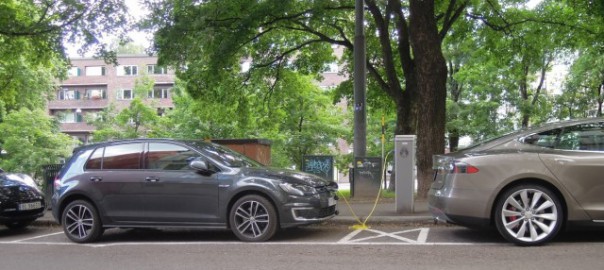
Oslo Street Scene: Nissan Leaf, VW e-Golf and Tesla Model S

All new cars in Norway emission-free by 2025

With yesterday’s release of final EPA rules for reducing carbon emissions from power plants, the stage is set for a major battle over how–and even whether–any carbon emissions in the U.S. may be limited.

Meanwhile, there’s Norway.

Oslo Street Scene: Nissan Leaf, VW e-Golf and Tesla Model S

As Ola Elvestuen, a member of Parliament there as well as Chair of the Standing Committee on Energy and the Environment, told the EV Roadmap 8 conference in Portland last week, the country committed to reducing its carbon emissions and is carrying out a variety of policies to do just that.

Elvenstuen’s keynote address was quietly inspirational, methodically laying out the data and the steps required to cut carbon emissions that Norway has embarked on.

His presentation, “EV Policies in Norway: Market Transformation to Renewable Energy,” underscored the critical role of electric cars in cutting carbon emission from transportation.

Norway may be unique in its ability to take advantage of electric cars; the country generates 97 percent of its electricity from renewable sources already, largely hydroelectric. In other words, it already has a very, very low carbon footprint for electricity.

But, Elvestuen pointed out, that cuts both ways: There are no coal or natural-gas powerplants that can be converted to renewable sources.

So to cut carbon by 40 percent from 1990 levels in just 15 years, a very large portion of the reduction has to come from transport–which represents one-third of the country’s total carbon emissions.

Read more: Green Car Reports

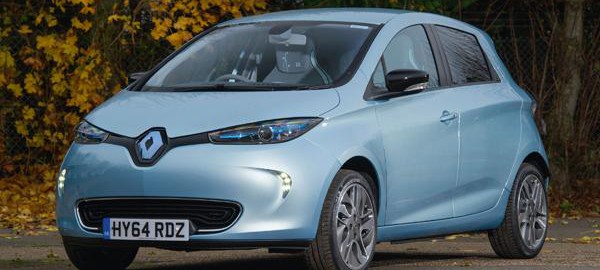
Renault ZOE EV

How is an electric car to drive?

Actually, says Renault Zoe owner Chris Alvey, it drives exactly the same – and you just plug it in each night like your mobile phone

Renault ZOE EV
Renault ZOE EV

In the spring of 2015 seven Telegraph readers were given GoPro cameras to record their lives with their ultra-low emission vehicles. Electric cars bring a host of benefits, from a £5,000 Government grant to congestion charge exemption and zero road tax. But for Chris Alvey, a university lecturer from Leicester, the best thing about his fully-electric Renault Zoe Dynamique Zen is how easily it fits into his life.

“You just need to treat it like your mobile phone,” Chris says. “You charge your phone every night. You charge your car every night.”

Chris’s Chargemaster 7kw home charge point, which came free with the car, allows a full charge in three to four hours and has drastically reduced the amount Chris spends on running a car.

“Before we bought it we were talking about £200 a month in fuel costs, plus road tax,” he says. “We don’t have any of that with this car. In terms of our electricity costs, it’s about £20 a month. It made sense from a financial point of view and from a safety point of view.”

The Zoe has all the modern safety features including airbags, parking sensors and a reversing camera. It also has a special ZE Voice system, which lets pedestrians know you’re coming when you drive at less than 18mph. Other hi-tech features include ZE Interactive, which lets you control the car’s charging from your computer and remotely operate the air-con, so that the car’s the right temperature before you get in it.

Read more: The Telegraph

NHS Electric Vehicle Schemes in Northants

Northampton provides rubbish support for electric vehicles – maybe this is the start of a change

Six new electric vehicles are to be put in place at Northamptonshire Healthcare NHS Foundation Trust sites across the county.

They will be at three trust premises, Berrywood Hospital in Duston, Northampton, Campbell House in Northampton and St. Mary’s Hospital in Kettering.

Each of these locations will have two permanently-based EVs; one of which will be used exclusively by the trust during business hours (and made available to the public at evenings and weekends) and the other which will be available for private use at all times.

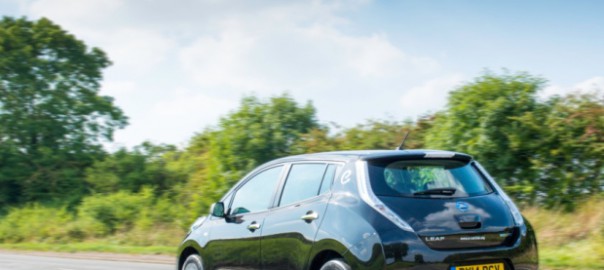
2134229022_Nissan_Leaf_eCar

Electrical hook-ups are also available at Isebrook Hospital in Wellingborough, Willowbrook Health Centre in Corby and Manfield Campus in Northampton.

By operating a fleet of vehicles which omit zero carbon, they are able to conduct business travel in a way which has no negative effects on local air quality, and by reducing the need for pool cars or staff use of their own vehicles, they’re also taking cars off the road which has a positive impact on congestion and parking pressure throughout the county.

Chairman of the trust Paul Bertin, said:

“I am absolutely delighted that we at Northamptonshire Healthcare have taken this significant step forward and are the first NHS trust in the county to provide such a service for our staff and the public.

“As a trust we have made a commitment to reduce our carbon footprint by 28% by 2020 and by encouraging our staff to park up their own vehicle and use an electric vehicle for business travel will help us move towards achieving this target. Looking after the environment is everyone’s responsibility. Providing such a countywide service for our staff and the Northamptonshire public will further raise the profile of sustainability and how we can all do more for our environment.”

Read more: Northants Telegraph