Daily Archives: April 16, 2015

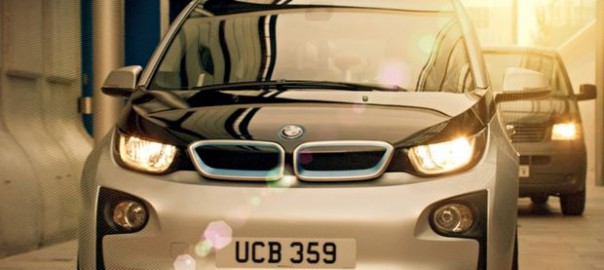
Electric car boom will require an infrastructure rollout to win over consumers who are worried about batteries running out of power (Image: Engine)

Electric cars could cut oil imports 40% by 2030, says study

Massive switch to electric cars could save drivers £1,000 a year on fuel costs, if infrastructure is built to support the vehicles

Electric cars could cut the UK’s oil imports by 40% and reduce drivers’ fuel bills by £13bn if deployed on a large scale, according to a new study.

Electric car boom will require an infrastructure rollout to win over consumers who are worried about batteries running out of power (Image: Engine)

An electric vehicle surge would deliver an average £1,000 of fuel savings a year per driver, and spark a 47% drop in carbon emissions by 2030, said the Cambridge Econometrics study.

The paper, commissioned by the European Climate Foundation, said that air pollutants such as nitrogen oxide and particulates would be all but eliminated by mid-century, with knock-on health benefits from reduced respiratory diseases valued at over £1bn.

But enjoying the fruits of a clean vehicle boom will require an infrastructure roll-out soon, as the analysis assumes a deployment of over 6m electric vehicles by 2030 – growing to 23m by 2050 – powered by ambitious amounts of renewable energy.

“There will be a transition in the next five-10 years but you won’t see a sudden shift to electric vehicles until consumers have got over their ‘range anxiety’ concerns and that will only happen with infrastructure spending,”

said Philip Summerton , one of the report’s authors.

With recharging stations still relatively few and far between, the ‘range anxiety’ fear that battery-powered vehicles could run out of power has been a notorious deterrent for consumers.

One study earlier this month found that such concerns were more common among less experienced electric vehicle drivers. But the EU also believes that a lack of recharging infrastructure is holding back the budding industry.
Advertisement

Two years ago the European commission proposed a €10bn (£7bn) public works programme, which would have exponentially grown recharging station numbers across Europe. In the UK alone, their numbers would have multiplied from 703 in 2012 to 1.22m in 2020.

But the Tory-led government helped to successfully oppose the measure because of the costs involved in ensuring that a minimum 10% of recharging stations were publicly accessible in every country. Despite this, British subsidies of about £5,000 for new electric car sales have helped the industry develop, industry sources say.

Read more: The Guardian

Government departments sign up to ‘green revolution’

Green move adds electric cars to government car fleet.

Over 100 plug-in cars and vans will join the government vehicle fleet as part of a commitment to green transport, the government has announced today (10 March 2015).

Fifteen government departments and agencies, including the Foreign and Commonwealth Office, Ministry of Defence and the Home Office, will benefit from adding 140 ultra-low emission vehicles (ULEVs) to their fleets as part of a £5 million investment to reduce emissions.

The fleet includes cars and vans used by government when transporting staff and equipment.

The introduction of plug-in cars – such the British built all-electric Nissan LEAF – puts UK automotive technology at the heart of government.

The Government Car Service, which provides cars for ministers, will also adopt 4 ULEVs.

This announcement is the first phase in a project designed to illustrate the effectiveness of the vehicles, and encourage fleets to commit to greater take-up over the coming years.

Transport Minister Baroness Kramer said:

“This is an important step. These cars will save taxpayers money on running costs and will bring low emissions benefits to our fleet.

“Today’s announcement proves that Britain is leading the electric charge while supporting the growth of this important industry.”

The £5 million investment will also fund take-up by the wider public sector – including councils, police forces and the NHS – of plug-in vehicles and pay for charge-points to be installed to allow the vehicles to be charged at work.

ULEVs are a major area of growth for the hugely successful UK automotive sector, which is worth over £11 billion to the economy.

Chief Secretary to the Treasury Danny Alexander said:

“I have led the drive for electric cars and vans across government because – with much lower running costs and close to zero emissions – this is the right thing to do for both the environment and the taxpayer.

“This government is also investing significantly in ultra-low emission vehicles, and I recently launched a £10 million battery prize for UK scientists to ensure that we are world-leading in this major new technology.”

Business Minister Matthew Hancock said:

“We want to make the UK one of the best places in the world to design, manufacture and sell ultra-low emission vehicles. This important step demonstrates government’s commitment to promoting the economic and environmental benefits of these cars.

The investment forms the latest part of a £500 million package set aside for ULEV vehicles announced last year.”

Source: Gov.uk