Category Archives: Opinion

Scottish Water Renault Kangoo electric van (Image: Renault)

Busting EV myths – Breaking down the biggest misconceptions surrounding EVs

Despite the expected shift towards electric and zero emission vehicles, there’s still a lot of controversy surrounding them. Are they really any cheaper to run? What’s their true environmental impact? In this article, Simone Bruckner, managing director of resistor manufacturer Cressall, breaks down the biggest myths surrounding electric vehicles (EVs).


MINI Cooper Concept (Image: MINI)

With more than a quarter of a million new electric car registrations last year, uptake of EVs is definitely on the increase. More than one in five of us expect to be driving an EV within the next five-to-ten years. But there are still a lot of misconceptions surrounding EVs that keep potential buyers on the fence.

EV’s have insufficient range

Many potential buyers are concerned about EV range. Their concern is well-founded in part, with the Nissan Leaf’s lowest range sitting at just 73 miles back when it was launched in 2011.

Thankfully, EV technology has improved in leaps and bounds since then, and most EVs now sit comfortably within the 200-to-300-mile range mark. And these figures aren’t restricted to high-end models either, with models like Hyundai’s Kona and Kia’s e-Niro entering the market at around £35,000 and offering modest real-world ranges of around 250 miles according to Autocar.

99 per cent of car journeys in England are less than 100 miles, and the average length of a trip was less than ten miles pre-pandemic. Based on these numbers, EVs have a perfectly sufficient range for the vast majority of travel.

Read more: Altenergymag

It’s Time to Go Green!

If you would like to know more about Solar Panels and the PowerBanx range of home battery systems, and get a free instant quote, please complete our online form:

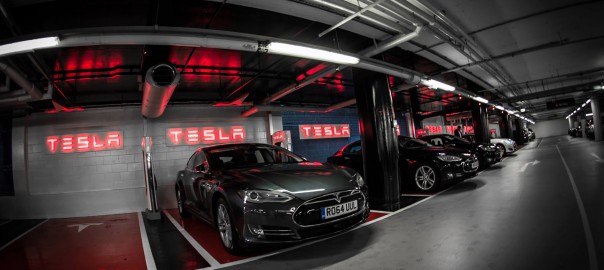
Tesla Supercharging Station at Westfield, London (Image: Tesla)

10 Reliable Electric Cars That’ll Reach 250,000 Miles

These cars of the future are robust and dependable enough to actually stay and thrive with you when the future comes.

As Bob Dylan once said, The Times They Are A-Changin’, and it rings true for the automobile industry more than one might think. Whether we like it or not, the future seems to hold predominantly electric cars for us. The depletion of non-renewable energy sources like petroleum and the rise of climate change will force us to let go of the gas guzzlers we hold near and dear to us.


Volkswagen ID.3 electric car (Image: Volkswagen.com)

But the advent of electric cars also brought problems with them, notably reliability and long-term ownership expenses. Take a look at Volkswagen for example; they once used to make supremely reliable cars, but their reliability standards have taken a hit lately, and shifting to EVs seems to keep it that way for a while.

Leading EV manufacturer Tesla is also notorious for making cars that tend to break down or even blow up. But it’s not all bad news, as there are some durable EVs that point to a bright future. Let’s check out some of the most reliable EVs we got so far.

Read more: hotcars

It’s Time to Go Green!

If you would like to know more about Solar Panels and the PowerBanx range of home battery systems, and get a free instant quote, please complete our online form:

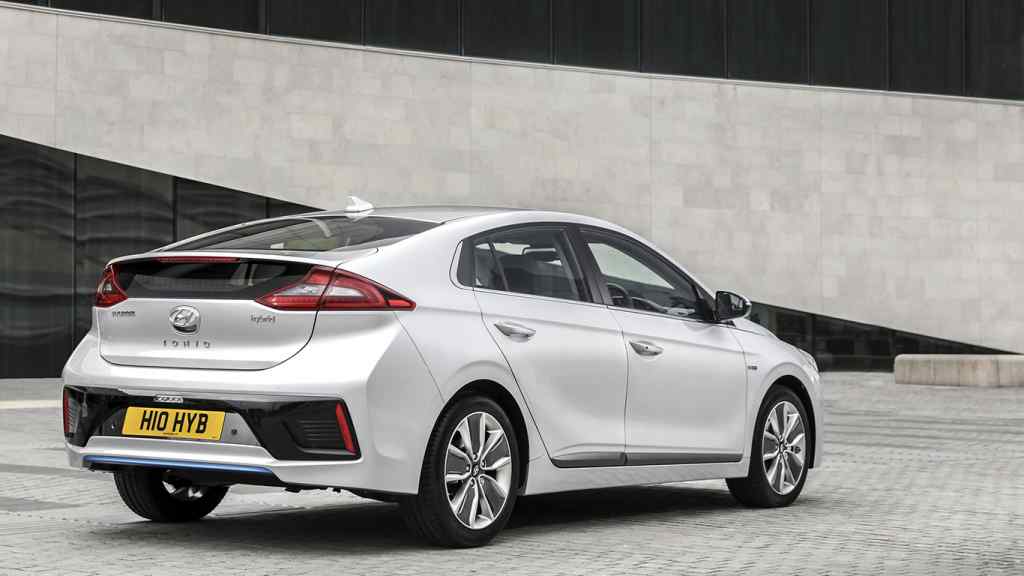
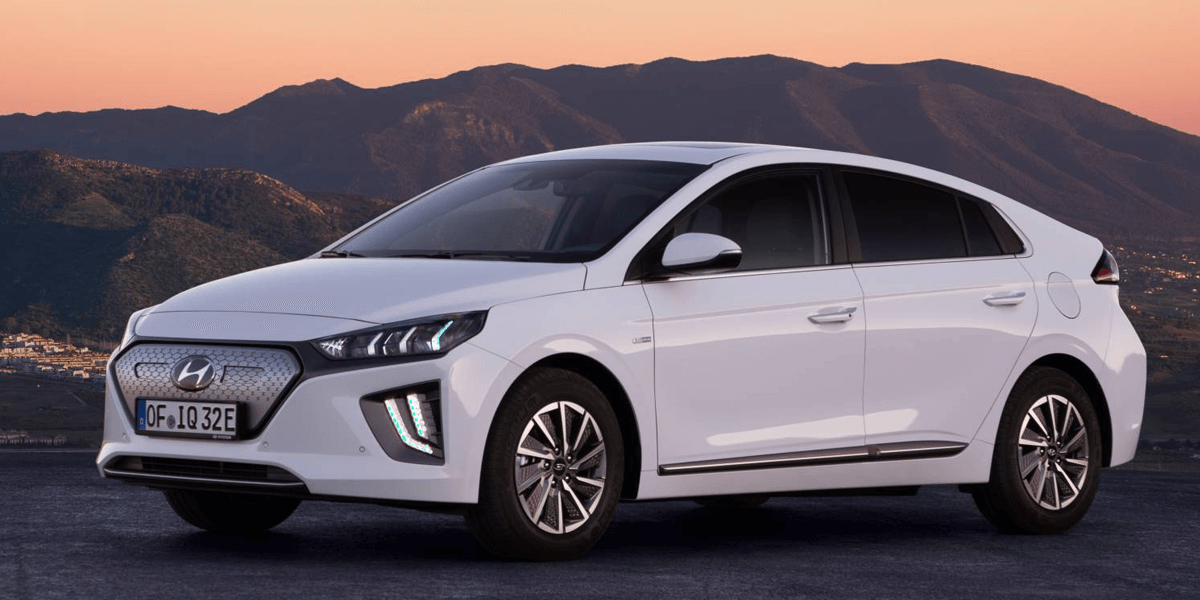
2020 Hyundai IONIQ (Image: Hyundai)

Autocar Awards 2023: the Hyundai Ioniq 6 is our Best Company Car

Ioniq 6 is an impressive EV with good efficiency, a long range, generous rear seat space – plus, those BIK rates…

It ought to be unsurprising that Hyundai’s second flagship EV, the Ioniq 6, surprises with its looks.

Thanks in part to the firm’s design director SangYup Lee, who received last year’s Design Hero award, Hyundai has in recent years become one of the most innovative car companies when it comes to styling. It has built up a mainstream range of good-looking cars, but its EVs are where it really stretches out.

The Ioniq 6’s streamliner looks won’t please everyone, but no one could ever accuse it of being bland.
Hyundai Ioniq Electric Handover (Image: T. Larkum)

First came the Hyundai Ioniq 5, which questioned whether an SUV actually needs to look like an SUV, and introduced a new brand of retro-futurism that has clearly struck a chord with buyers.

But while most of Hyundai’s range (and most other manufacturers’ model ranges) becomes ever more SUV-heavy, the Korean manufacturer has decided to embrace the traditional saloon and has done so with un-traditional means.

In some ways the Ioniq 6 is quite old-fashioned, being a four-door saloon with a boot lid that is laser-focused on streamlining and aerodynamics. At the same time, it is a cutting-edge EV offering 800V architecture, ultra-fast charging, a large battery, good mechanical efficiency and a class-leading range as a result.

Read more: Autocar

It’s Time to Go Green!

If you would like to know more about Solar Panels and the PowerBanx range of home battery systems, and get a free instant quote, please complete our online form:
The Guardian view on the electric car revolution: targets are not enough

The government must do its bit to make new electric vehicles more affordable if mass adoption is to be achieved on the road to net zero

When the government controversially scrapped its discount on the purchase of electric cars last summer, the move was justified on the grounds that its work was done. After 11 years of subsidies, said ministers, the electric vehicle revolution had been “kickstarted”. As Britain strives to meet a 2030 target to end the sale of new petrol and diesel vehicles, that judgment is beginning to look a little complacent.

Amid ongoing economic headwinds, data has emerged that suggests a drop-off in current demand for electric cars, despite notable public enthusiasm for their adoption in principle. Auto Trader, which hosts the country’s largest car sales website, reported this month that inquiries in relation to new electric vehicles had fallen significantly compared with last year.

A number of factors are likely to be involved. As interest rates and inflation remain high, the upfront cost of a new electric car makes it more expensive in the short term than a petrol or diesel one. Falling oil prices may have diminished the immediate incentive to switch. At the same time, despite repeated pledges by Whitehall, the rollout of charging infrastructure continues to be too slow and is not keeping pace with sales.

Read more: TheGuardian

It’s Time to Go Green!

If you would like to know more about Solar Panels and the PowerBanx range of home battery systems, and get a free instant quote, please complete our online form:

EV designers can move the industry forward by invoking radical notions of the past

The electric vehicle transition is a generational opportunity to rethink personal transportation design, but few automakers are stepping up. Is there a modern-day Ransom Olds or Henry Ford of EVs waiting in the wings?

There is an interesting styling trend happening in the design studios of European manufacturers. Retro cars harking back to a simpler, happier car culture are showing up with electric powertrains. There is the VW ID Buzz, Fiat 500e, Renault 5e, the Mini electric, and the outrageously cute Microlino.

The iconic “people cars” of the European post-war era used simple, inexpensive-but-elegant design criteria to pull the auto industry (and Europe in general) out of a hole. Now it is the world that needs that pull. This challenge and opportunity is calling out to automakers: their EV designs should target the underlying essence of those wonderful retro creations, not merely replicate their shape.

Tesla Cybertruck (Image: Tesla)

The basis of great automotive design is to find that perfect balance between form and function. In a nutshell, form is what we see, and hopefully makes us smile. Function is what moves the car along in a safe and comfortable and (hopefully) environmentally friendly manner.

Read more: ElectricAutonomy

It’s Time to Go Green!

If you would like to know more about Solar Panels and the PowerBanx range of home battery systems, and get a free instant quote, please complete our online form:

Under the skin: How robots can be used to charge electric cars

With high-current cables becoming heavier, Hyundai’s ACR project provides hands-free charging

Charging EVs, and particularly how fast EVs can be charged, is seen as a major barrier to their uptake.

Speed is going to become an ever more pressing problem because, unlike petrol and diesel cars, EVs need a dedicated parking spot for a significant period when charging, so the less time they spend doing it the better.

A MINI chassis receives a polish at BMW’s Oxford plant. Source: BMW

However, faster charging and higher power being transmitted will mean cables become heavier, thicker and more cumbersome. That will make conventional handling difficult or impossible, especially for people with mobility problems.

It may also make things trickier in the dark, simply in terms of presenting a charger plug to the charge port and plugging it in. Hyundai’s answer to all this is the automatic charging robot (ACR).

The ACR was revealed in CGI videos last year but the real thing was on display at the 2023 Seoul mobility show in March. The ACR is installed at the side of a parking bay. The driver of the car (which in the demo is an Ioniq 6) pulls up in front of the bay, hops out and presses a button on the key fob, which instructs the Ioniq 6 to self-park and charge.

Read more: AutoCar

It’s Time to Go Green!

If you would like to know more about Solar Panels and the PowerBanx range of home battery systems, and get a free instant quote, please complete our online form:

G7 countries agree to accelerate the phaseout of fossil fuels

G7 ministers have collectively agreed to accelerate the transition away from fossil fuels during last week’s meeting on Climate, Energy and Environment in Sapporo, Japan.

The nations – consisting of the UK, US, France, Japan and Canada – agreed “to accelerate the phaseout of unabated fossil fuels so as to achieve net zero in energy systems by 2050”.

Published yesterday (16 April), the ministers’ Communiqué recommitted the parties to the Paris Agreement, “keeping a limit of 1.5 °C global temperature rise within reach through scaled up action in this critical decade,” and to “recognize the importance of promoting an efficient diversification of supply sources to enhance energy security and energy affordability.”

The UK is seeking to pivot its trade focus to the Pacific after it joined the Comprehensive and Progressive Trans Pacific Partnership (CPTPP), and British energy companies like Octopus have also recently expanded their involvement in the Japanese market.


The agreement also aims for “a collective increase in offshore wind capacity of 150GW by 2030 based on each country’s existing targets and a collective increase of solar PV to more than 1TW by 2030 estimated by the IEA and IRENA through means such as each country’s existing targets or policy measures.”

Read more: Current+

It’s Time to Go Green!

If you would like to know more about Solar Panels and the PowerBanx range of home battery systems, and get a free instant quote, please complete our online form:

2020 Hyundai IONIQ (Image: Hyundai)

‘Hyundai’s Ioniq electric car range is wiping the floor with rivals’

If, a decade ago, those ‘in the know’ were asked to predict which country and company would clean up on the international awards front in the early 2020s, I suspect the experts would have opted for a German firm – Audi, perhaps? Or an up-and-coming US one such as Tesla? Another safe bet – maybe a less exciting, but more dependable Japanese brand?

Back then, nobody in their right mind would have gone for an Asian country whose land area, population and access to natural resources were – and still are – smaller and lower than the UK’s. Even less likely was that an unglamorous, non-premium firm from that tiny Asian peninsula would headline on the global awards stage and in other international arenas.

But that’s exactly what Hyundai, its designers and its Ioniq models have done. Almost unfathomably, they’ve taken on and beaten countless ‘better’ and longer-established premium firms and products.

The ball started rolling in summer 2021, when the Ioniq 5 was crowned Auto Express Car of the Year, and autumn saw it crowned Germany’s Car of the Year. By the winter, a panel of bestcarsoftheyear.com judges from the global motor, motorsport and media industries named the Ioniq 5 the New Car World Champion. And in spring 2022, the same model won 50 per cent of the World Car awards for that year.

Read more: AutoExpress

It’s Time to Go Green!

If you would like to know more about Solar Panels and the PowerBanx range of home battery systems, and get a free instant quote, please complete our online form:

British Army Land Rovers, at least 4 of them, are going electric

Look at that diesel engine go

Old Land Rovers never die, nor do they even fade away. Sometimes they become electrified.

The British Army is about to begin a project to modify a quartet of in-service military Land Rovers, and to convert them from diesel to electric power.

The conversions are to be done by UK defense contractor Babcock International in partnership with EV experts Electrogenic under a one-year contract granted by the British Ministry of Defense. Then the army “will assess performance over steep terrain, wading and towing, and different climate-related conditions,” according to Babcock.

The processes involved in EV conversions include dropping out the old diesel engines and fitting new, as-yet-unspecified electric powertrains before the cars are pitted against their old-school brethren.

EV Charging Station (Image: Foter)

The British Army purchased its first batch of Land Rovers in 1949 to be used for rugged, off-road purposes, much in the way that the Jeep served the military for the United States. Most army Land Rovers have been retired, but clearly some are still in service, and there is also a thriving business in Britain to sell restored examples.

Read more: autoblog

It’s Time to Go Green!

If you would like to know more about Solar Panels and the PowerBanx range of home battery systems, and get a free instant quote, please complete our online form:

Battery Degradation Study Shows That EV Batteries Last Much Longer Than Initial Estimates

Many people think EV batteries wear out as fast as phone batteries, but they couldn’t be further from the truth. Once considered among the worst, even Nissan Leaf’s batteries can endure for decades without significant degradation. This is one reason why EV battery replacements are quite unusual.

Electric vehicles’ value is usually affected by preconceptions about electric cars, the most important being the supposedly limited lifecycle of the high-voltage battery. This also hinders EV adoption because nobody wants to buy a car that will lose its value over time. The bad news is that many scary stories have made many people believe that EV batteries are fragile and expensive to replace. The good news is that they last a lot longer than critics claim, as evidenced in a recent study.

The high-voltage battery is the most expensive component of an electric vehicle, and it’s understandable why people are afraid they’d be ruined if anything goes wrong. The fact that one of the first widely available electric cars, the Nissan Leaf, wasn’t very good at retaining battery charge helped spread uncertainty about EV batteries. Nissan admitted that the first Leaf batteries used flawed battery chemistry and changed the formula. After that, Nissan Leaf’s batteries have proved among the most enduring in the market, showing almost no degradation.

Read more: autoevolution

It’s Time to Go Green!

If you would like to know more about Solar Panels and the PowerBanx range of home battery systems, and get a free instant quote, please complete our online form: