Category Archives: FAQ

Have Electric Vehicles Reached Parity With Their ICE Counterparts?

Naysayers argue that electric vehicles have too many obstacles yet to make them appealing to mass consumer audiences. Yet the numbers seem to indicate that we’re a lot closer to making EVs the better financial choice than many so-called experts want to admit.

Germany will end sales of new ICE vehicles in 2030. What has long been seen as a massive gap between the appeal of ICEs and EVs is quickly fading. Globally, EV sales grew 80% in 2021.

Kia Ceed Sportwagon PHEV and XCeed PHEV (Image: Kia)

The National Academies of Sciences, Engineering, and Medicine declares that “the period from 2025-2035 could bring the most fundamental transformation in the 100-plus year history of the automobile” as battery costs fall and EVs reach price parity with internal combustion engine vehicles, leading them to become the “dominant type of new vehicles sold by 2035.”

It is expected that, by 2030, battery EVs will account for 81% (25.3 million) of all new EVs sold.

Besides eliminating exhaust emissions and tackling part of the 23% of global CO2 emissions contributed by the transportation sector, EVs will also provide key flexibility to the grid as we transition to a greater share of renewable energy supply.

Read more: CleanTechnica

It’s Time to Go Green!

If you would like to know more about Solar Panels and the PowerBanx range of home battery systems, and get a free instant quote, please complete our online form:

Vauxhall Grandland X Hybrid4 (Image: Vauxhall.co.uk)

EV sales continue to rise despite supply failing to keep pace with demand

For the second month in a row, sales of electric vehicles (EVs) were the vehicle segment to grow, but data shows the government’s ambitions for the EV transition does not go far enough, according to the latest data from New AutoMotive.

The company’s most recent figures show that during June 2022, 20,837 pure EVs were sold, with EVs now representing one in six of all new vehicle registrations.

Meanwhile, sales of hybrid vehicles decreased to 31,531 in June 2022, from 40,265 the same month last year.

With sales of EVs already at 16%, up from 10% year-on-year, the government’s request to manufacturers to achieve 22% of sales from EVs by end of 2024 is “lagging behind consumer demand,” according to NewAutomtive.

This echo’s the Climate Change Committee’s findings in its recent progress report, which suggested that the adoption of EVs is already ahead of both its own and government growth projections, highlighting that consumers and households are willing to adopt low-carbon options when cost-effective products are offered.


Vauxhall Grandland X Hybrid4 (Image: Vauxhall.co.uk)

Despite the increased sale of EVs in June, overall car sales decreased by a quarter and even with the rising prices of petrol and diesel driving consumers towards electric cars, supply is currently not keeping pace with demand, according to Ben Nelmes, head of policy and research at New AutoMotive.

Read more: Current+

It’s Time to Go Green!

If you would like to know more about Solar Panels and the PowerBanx range of home battery systems, and get a free instant quote, please complete our online form:

Europe’s ‘most powerful’ EV charging hub opens in Oxford

Pivot Power has opened Europe’s “most powerful” electric vehicle (EV) charging hub in Oxford, with 42 fast and ultra-rapid chargers.

As part of the Energy Superhub Oxford project, the hub located at Redbridge Park and Ride could scale up to provide charging for 400 vehicles as EV adoption increases.

It will be entirely powered with renewable energy, with 10MW of installed capacity on-site.

“Electric vehicles form a key part of our strategy to decarbonise transport, so I’m pleased to see Europe’s most powerful EV charging hub opening in Oxford,” said Trudy Harrison MP, transport decarbonisation minister.

“Both the Government and industry, working together, are investing billions in projects like this to help provide the infrastructure to support the UK’s electric revolution and soaring EV sales. This in turn will help us decarbonise transport, create high-skilled jobs, and provide cleaner air across the UK.”

Several providers installed chargers at the facility, which has been developed by EDF Renewables subsidiary Pivot Power with the participation of the Oxford City Council, including 10 300kW charging bays from Fastned, 20 7-22kW from Wenea and 12 250kW Tesla Superchargers.

Read more: Current+

It’s Time to Go Green!

If you would like to know more about Solar Panels and the PowerBanx range of home battery systems, and get a free instant quote, please complete our online form:

Electric cars make up almost half of all new sales across London

Diesel sales have halved in the drive to go electric

Electric vehicles accounted for almost one in two new cars bought in London last month, it has been revealed.

Almost 6,000 fully electric or hybrid plug-in cars were registered in London in June, outselling conventional petrol cars by more than 200 vehicles. The figures, from New AutoMotive, a non-profit organisation aiming to accelerate the move to electric vehicles, show London continues to lead the rest of the country in switching to greener forms of motoring.

It comes after the Standard launched a major campaign, Plug It In, to highlight the benefits and explore the challenges of the capital going electric.


Battery electric cars, which rely solely on electric power stored in an on-board battery, were the second most popular type of new car after petrol, with 2,932 registered in the capital last month.

Hybrid electric cars, which have a smaller battery and a conventional internal combustion engine which kicks in on longer journeys, were only slightly less popular, with 2,909 registered.

It means 5,841 new electric vehicles were registered — compared with 5,628 petrol cars and 697 diesel cars. A total of 1,167 fewer patrol cars were registered in London last month than a year earlier. Monthly diesel sales have roughly halved year on year.

Read more: EveningStandard

It’s Time to Go Green!

If you would like to know more about Solar Panels and the PowerBanx range of home battery systems, and get a free instant quote, please complete our online form:

Drivers urged to switch to electric cars as fuel prices continue to rise – ‘Much cheaper!’

DRIVERS have been urged to switch to electric cars amid the rising fuel prices. An expert has told Express.co.uk that EVs are “significantly” cheaper to run than petrol and diesel alternatives.

Quentin Willson, an ex-Top Gear presenter and the founder of FairCharge, told Express.co.uk that the overall costs of running an electric car are much cheaper than those of a combustion car. The TV presenter also claimed that the second-hand values of EVs are going up.

The latest RAC Fuel Watch indicates that drivers will have to pay 191.10p for a litre of petrol and 198.96p for a litre of diesel.

And, with that in mind, it comes as no surprise that motorists might think about switching to battery-powered vehicles.

Research carried out by Next Green Car showed a growth of 74 percent in registered electric cars since 2020.

On top of that, the number of electric vehicles bought in the UK in March alone was higher than during the entirety of 2019.

Read more: Express

It’s Time to Go Green!

If you would like to know more about Solar Panels and the PowerBanx range of home battery systems, and get a free instant quote, please complete our online form:

Cheapest Electric Cars UK (Image: Fuel Included)

Government urged to alter salary sacrifice rules for lowest paid

EV salary sacrifice and fleet management specialist, Fleet Evolution, is calling on the Government to amend the rules governing salary sacrifice and the lowest paid, as the current laws discriminate against the very people they are designed to protect.

Vauxhall Corsa-e (Image: Vauxhall.co.uk)

Under the existing rules, no employee can enter into a salary sacrifice scheme for assets of any kind, be they cars, bikes, pensions or healthcare, if by doing so the arrangement takes their take-home pay below the National Living Wage (NLW).

The NLW is the statutory minimum wage rate that must be paid to workers aged 23 and over. It currently stands at £9.50 per hour, a standard that came in from April this year and was up from £8.91 in the previous tax year.

The intention is to protect the lowest paid workers, ensure they have a minimum standard of living and prevent them from getting into financial hardship.

However, argues Fleet Evolution founder and managing director, Andrew Leech, the rules which were designed to protect the lowest paid are ironically hurting the very people they were intended to safeguard.

Read more: Fleetpoint

It’s Time to Go Green!

If you would like to know more about Solar Panels and the PowerBanx range of home battery systems, and get a free instant quote, please complete our online form:

Renault Captur Plug-in and Renault Clio Hybrid (Image: Renault)

2022 Renault Megane E-Tech Electric UK pricing announced

The all-electric Renault Megane E-Tech Electric will start from £35,995

Renault has confirmed that the new Megane E-Tech Electric is available to pre-order now, with three trim levels to choose from. It’s an all-new iteration of its long-running family hatchback, sporting crossover styling cues and a pure electric powertrain, and prices start from £35,995.

The new model starts with the Equilibre trim level, then Techno and also the range-topping Launch Edition.

Each trim level of the new Megane E-Tech Electric is powered by a 60kWh battery in the UK, although a cheaper 40kWh variant will be offered in Europe. As standard the Equilibre comes with 18-inch ‘Oston’ alloy wheels, LED headlights, ambient lighting, heated steering, heated front seats and a rear parking camera. Renault has also given the new electric Megane safety features in the form of driver drowsiness alert, lane keep assist and automatic emergency braking.

Inside the Megane there’s a 12.3-inch digital instrument panel and a 9-inch infotainment setup, which runs Android OS. Google services are integrated into the system, which also features Apple CarPlay and Android Auto.

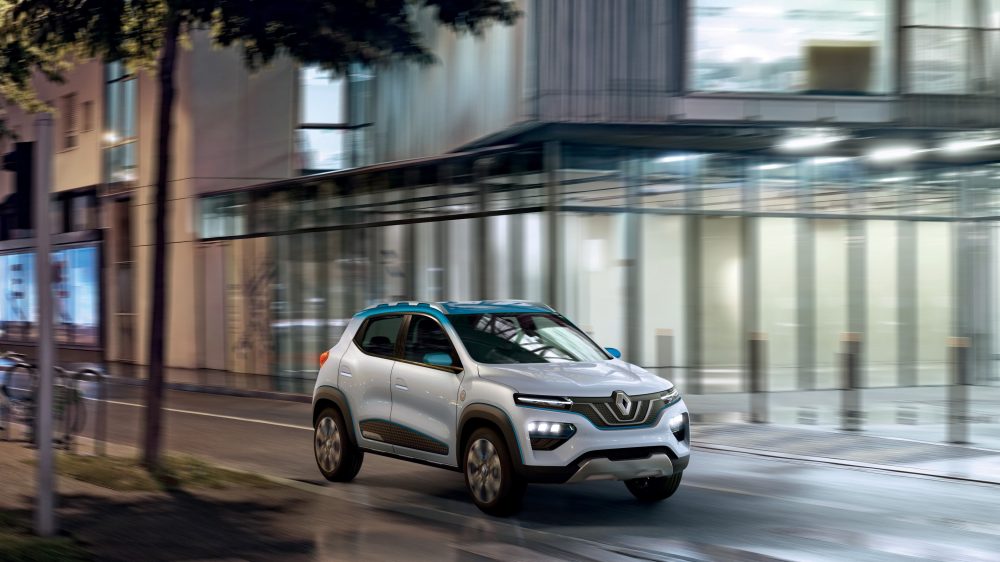
K-ZE All-electric Crossover (Image: Renault)

Techno trim starts from £38,495 and it adds extra safety features such as adaptive cruise control, blind spot monitoring and a rear cross traffic alert. The styling is tweaked, too, with the addition of adaptive LED headlights that feature scrolling indicators and a distinctive running light signature. Larger 20-inch wheels also mark out the Techno.

Read more: AutoExpress

It’s Time to Go Green!

If you would like to know more about Solar Panels and the PowerBanx range of home battery systems, and get a free instant quote, please complete our online form:

A full tank of petrol costs £100, but electric vehicle drivers pay just £37 to fully charge

Petrol car drivers are paying more than £100 to fill up their car, while recharging an EV costs just £37

Electric vehicle drivers are saving more than £60 in fuel costs every time they charge their car, according to analysis highlighting the growing financial benefits of moving away from petrol and diesel motoring.

Recharging an electric car has almost always been cheaper than re-fuelling a petrol or diesel motor, but as the price of fuel on the forecourt has soared in recent weeks the savings are now significant.


Analysis published by climate website Carbon Brief suggests that while the UK average cost of filling up a 55-litre petrol car is now almost £100, recharging an electric car to travel an equivalent distance costs just £37.

That delivers EV drivers a saving of £63 per “tank” of fuel, according to Carbon Brief’s policy editor Simon Evans, who conducted the analysis.

EVs are cheaper to refuel in part because they use energy much more efficiently than combustion engine cars, Dr Evans explained, using three to four times less energy to drive the same distance.

Read more: inews

It’s Time to Go Green!

If you would like to know more about Solar Panels and the PowerBanx range of home battery systems, and get a free instant quote, please complete our online form:

Per mile cost of EVs ‘80% below petrol and diesel cars’ as fuel prices surge

The average annual electricity cost of a popular small EV such as a Nissan Leaf or Renault Zoe is around £250.

Soaring fuel prices mean the per mile cost of running an electric vehicle (EV) has sunk to around 80% below the bill for petrol and diesel models, according to new analysis.

Green motoring consultancy New AutoMotive calculated that the average annual electricity cost of a popular small EV such as a Nissan Leaf or Renault Zoe is approximately £250.

For a petrol car with typical fuel efficiency of 38 miles per gallon, the annual fuel cost based on current pump prices is around £1,210.


New AutoMotive co-founder and head of policy Ben Nelmes said the spiralling cost of petrol and diesel is “making electric cars more attractive than ever”.

He told the PA news agency: “Commuters and those living in areas with poor public transport connections continue to take the brunt of the cost-of-living crisis for their reliance on petrol and diesel vehicles.

“Meanwhile, sales of new electric cars are booming and the second-hand market is growing rapidly too, helping electric cars to become more and more affordable.

“This is a promising trend, but ministers must explore ways of offering targeted support to encourage Britain’s most active drivers to make the switch to electric cars.

“This would reduce emissions faster, help those hardest hit by rising fuel prices, and reduce the UK’s reliance on imported fuel, including Russian diesel.”

Read more: EveningStandard

It’s Time to Go Green!

If you would like to know more about Solar Panels and the PowerBanx range of home battery systems, and get a free instant quote, please complete our online form:

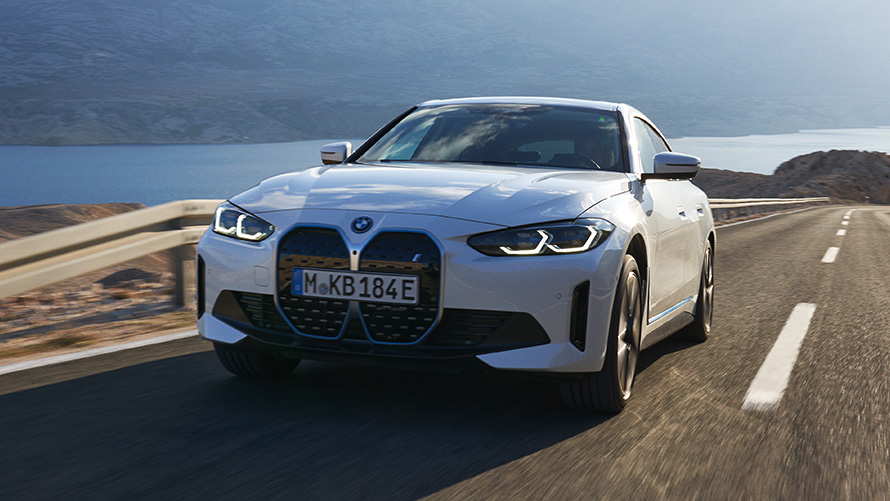
BMW i4 (Image: BMW.co.uk)

Traditional carmakers could boost profits by accelerating move to electric

Analysis suggests electric operations will become rapidly more profitable than petrol and diesel arms within five years

The world’s largest traditional carmakers could improve their profit margins and boost their value to investors by accelerating the transition to electric cars in the next decade, a new analysis has found.

The electric carmaking operations of Toyota, Volkswagen, Stellantis, Volvo, BMW and Mercedes-Benz will rapidly become more profitable than their traditional petrol and diesel counterparts within the next three to five years as carbon emissions regulations tighten, according to modelling by Profundo, a consultancy.

Volkswagen ID.3 electric car (Image: Volkswagen.com)

The world’s biggest carmakers are all seeking to increase electric car production rapidly in the next decade, as laws in major markets including the EU and UK seek to ban new internal combustion engines as part of the effort to curb carbon pollution from transport. Yet at the same time carmakers still intend to sell millions more vehicles with petrol and diesel engines, in part because they remain more profitable but also because making the transition to electric vehicles (EVs) can include major upfront costs.

Read more: TheGuardian

It’s Time to Go Green!

If you would like to know more about Solar Panels and the PowerBanx range of home battery systems, and get a free instant quote, please complete our online form: