Category Archives: Volkswagen

News and reviews of Volkswagen electric cars (including plug-in hybrids).

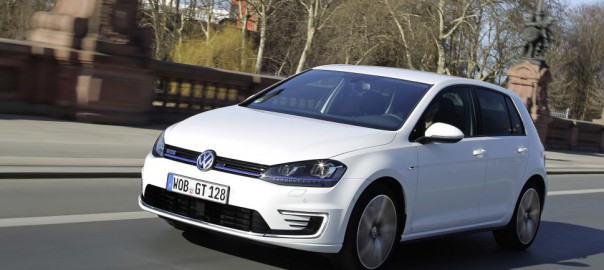
Volkswagen Golf GTE (Image: VW)

Golf GTE order books open

The Volkswagen Golf GTE is available to order from today [published 14 January], costing £28,035* RRP.

And unlike Volkswagen’s other electric vehicles (the e-up! and e-Golf) which are sold through a network of 25 e-Retailers, the GTE will be available through all of the company’s franchised sales outlets.

The name of Golf GTE reflects its standing in the line-up alongside the petrol-powered GTI and diesel GTD, while its pricing also reinforces this position. The new car is driven by two engines: a 1.4-litre 150 PS TSI direct-injection petrol engine and a 102 PS electric motor. Together, they produce a maximum power of 204 PS and a theoretical range of 580 miles, while maximum torque is 350 Nm (258 lbs ft). A six-speed DSG gearbox developed for hybrid vehicles is standard.

The electric motor is integrated into the gearbox housing, while further hybrid components include power electronics and a charger. An electro-mechanical brake servo and an electric air conditioning compressor make for energy-efficient braking and air conditioning. There are five operating modes: ‘E-mode’, ‘GTE mode’, ‘Battery Hold’, ‘Battery charge’ and ‘Hybrid Auto’. In pure electric mode (activated at the press of a button), the Golf GTE can travel up to 31 miles. Electric power can also be saved – for example when driving to a zero-emissions zone – and in electric mode, the GTE is capable of speeds of up to 81 mph.

With the TSI engine engaged as well, the Golf GTE can sprint from zero to 62 mph in 7.6 seconds and on to 138 mph, yet returns a combined cycle figure of 166 mpg and CO2 emissions of 39 g/km. As such it is expected to be exempt from VED and the Congestion Charge.

The Golf GTE’s 8.8 kWh lithium-ion battery can be charged in 3.75 hours from a domestic mains outlet, or 2.25 hours from a domestic wallbox.

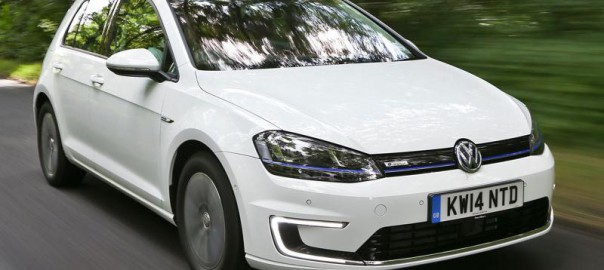
The Golf GTE is available in five-door bodystyle only and in one highly-specified trim level. Visually, it combines elements of the e-Golf and Golf GTI, with C-shaped LED daytime running lights (e-Golf) and aerodynamic horizontal ‘fins’ (GTI). Where the GTI features red, the GTE has blue accents, including across the radiator grille and into the headlights (which as on the e-Golf are LED), while 18-inch ‘Serron’ alloy wheels are fitted as standard.

Inside too, the GTI’s red highlights are turned to blue – including the stitching on the steering wheel, gear lever gaiter and seats, and a blue stripe in the tartan pattern on the sports seats. Touchscreen infotainment system with DAB radio and Bluetooth is standard, while optional navigation includes bespoke EV features such as the ability to identify potential destinations on electric range, and charging points.

The GTE also has an e-manager which allows the driver to preset vehicle charging, as well as interior cooling or heating and these functions can be operated remotely using the Car-Net app on a smartphone; a three-year subscription is standard in the UK. The speedometer and tachometer are familiar, and the latter is supplemented by a power meter in the central display, which shows the status of the battery, whether or not power is being used and the intensity of any regeneration.

(*RRP OTR after £5,000 Government plug-in car grant has been deducted)

Source: Diesel Car Magazine

Tesla Model X (Image: Tesla)

Top 10 Electric Vehicles Coming Soon in 2015

Last year marked a big breakthrough for electric cars; the majority of major manufacturers invested heavily in developing electric drive-trains and subsequently added an array of appealing battery-electric (BEV) and plug-in hybrid (PHEV) models to their rosters.

By the end of 2014 there were over 17,000 plug-in cars and vans on UK roads with that number expected to more than double by the end of this year.

As noted by Dr Ben Lane, Managing Editor of Next Green Car: “2015 will see a continuing roll out of battery electric and plug-in hybrid models as UK motorists become more accustomed to electric drive-trains. This year will be the year when EVs start to considered as ‘normal’.”

The future is only looking bright for electric mobility and there a number of exciting EV prospects expected to feature prominently this year. Below is Zap-Map’s list of top 10 electric vehicles coming soon in 2015:

1. Tesla Model X – BEV

Tesla Model X (Image: Tesla)

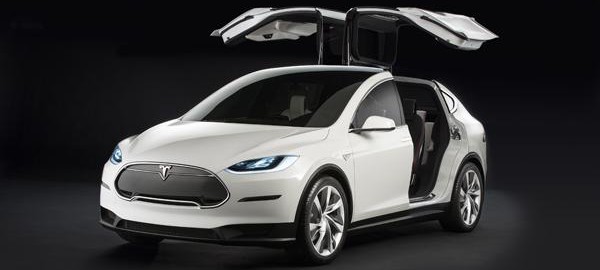
Originally scheduled for 2013, Tesla recently announced that the eagerly anticipated Model X crossover will be launched in the third quarter of 2015. Despite being larger than the Model S, the all-wheel electric drive will give the Model X a similar level of performance (that’s 0 to 60 mph in around 5.9 seconds!). With 10% additional weight, the expected driving range will be slightly less; around 170 miles for the 60 kWh battery pack or 230 miles for 85 kWh battery. One the striking features of the next Tesla will be its rear ‘Falcon’ doors which open upwards instead of swinging outward. Final pricing has yet to be announced. Although it’s been a while coming, with the new Model X, Tesla is unlikely to disappoint.

2. Volkswagen twin-up! – PHEV

Volkswagen twin-up! PHEV (Image: VW)

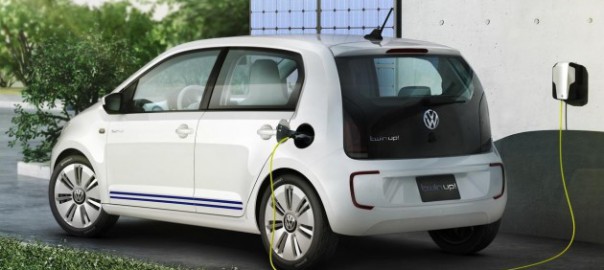
The twin-up!’s 55kW powertrain consists of a 0.8 litre TDI diesel engine working in conjunction with a 35kW electric motor. The energy storage system includes a lithium-ion battery (energy capacity: 8.6 kWh), a conventional 12V battery for on-board electrics, and a 33 litre capacity fuel tank. On the official test cycle, the twin-up! delivers a combined fuel economy of over 250 MPG with a CO2 emissions of just 27 g/km. In zero-emission operation the PHEV can cover a range of 31 miles and is anything but a slouch: the twin-up! accelerates up to 62 mph in 15.7 seconds and has an all-electric top speed of 80 mph. Pricing to be announced.

3. Mercedes-Benz B-Class Electric Drive – BEV

Mercedes B Class Electric (Image: Mercedes-Benz)

The Mercedes-Tesla relationship is evident (and welcome) in the B-Class ED with the drive-train and battery pack coming from the California-based company. Capable of 125 miles per full charge, the B-Class ED provides electric motoring in a quality package with more reserved styling than some other brands such as the BMWi range. While the motors can deliver up to 179 bhp (Sport mode), two other driving modes are available: ‘Economy’, where power is limited to 131 bhp; and ‘Economy Plus’ with just 87 bhp and a maximum speed of 70 mph. Expected to be priced from around £27,000.

4. Volvo XC90 plug-in hybrid – PHEV

Volvo XC90 PHEV (Image: Volvo)

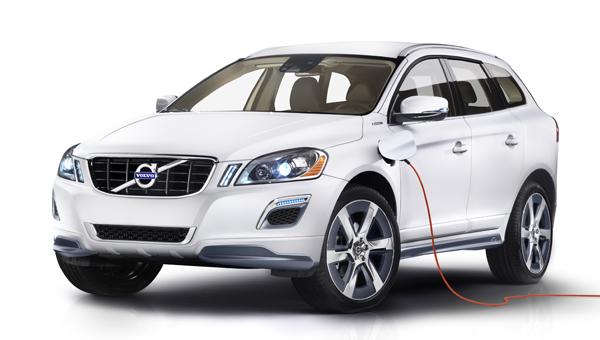
No doubt encouraged by the huge success of the Mitsubishi Outlander PHEV, Volvo will bring its own plug-in SUV to market in 2015, in addition to the usual range of petrol and diesel engines. While all will offer four-wheel drive, for the first time there will also be a front-wheel drive option. The XC90 PHEV will also feature a collection of entertainment and safety technology including a 9.3 inch screen compatible with Apple’s new CarPlay interface and Volvo’s new collision avoidance system. The XC90 range is priced from £45,750.

5. Volkswagen Passat GTE plug-in hybrid – PHEV

Volkswagen Passat GTE PHEV (Image: VW)

Now in its eighth incarnation, the new Passat range includes the GTE, the first Passat with a plug-in hybrid drive. Powered by a turbocharged direct injection petrol engine (TSI) and an 85kW electric motor, the GTE is capable (on the official test) of over 141 MPG (petrol) and 13.0 kWh/100km (electric) with CO2 emission of under 45 g/km. On a full tank and fully recharged 9.9 kWh lithium-ion battery, the new PHEV has a total driving range of over 620 miles. In ‘E-Mode’, the Passat GTE can also cover a distance of up to 31 miles with zero emissions. AC charging options include standard (or ‘slow’) charging at 2.3 kW from a domestic socket in 4.25 hours or an optional a home 3.6 kW charger which provides a full charge in 2.5 hours. Anticipated pricing from around £20,000.

6. BMW X5 e-drive – PHEV

BMW X5 e-Drive PHEV (Image: BMW)

The BMW X5 e-drive concept was first unveiled at the 2013 Frankfurt International Motor Show and is seen as the logical next step for the successful X5 series. Combining a four-cylinder combustion engine with BMW TwinPower Turbo technology and lithium-ion battery, the plug-in hybrid can driver approximately 19 miles solely on electric power. There is a choice of three driving modes, depending on requirements and situation – the intelligent hybrid drive option for a balance between sportiness and efficiency; pure electric and therefore emission-free driving; or Safe Battery mode to maintain the current battery charge. According to BMW, the X5 e-drive is capable of 74.3 mpg and on average emits 90g of CO2 per kilometre. Estimated to be priced at £55,000 – £60,000, the X5 e-drive is on course to directly compete with the Volvo XC90 PHEV.

7. Renault Zoe 2015 (new battery) – BEV

Renault ZOE EV
Renault ZOE EV

Renault’s battery-electric Zoe, the second best-selling EV after the Nissan LEAF, will be revitalised by a smaller and more efficient electric motor in 2015. By reducing the motors size, Renault expects a 10% increase in the Renault Zoe’s official 130 mile range. Renault also claims the improvements will reduce charging time by 20-30 minutes when using low-level power supply such as a 3kW 3-pin slow charging unit. The upgrades to the Zoe will be added to all new models from Spring 2015 Renault say.

8. Mitsubishi Outlander PHEV S – PHEV

Mitsubishi Outlander PHEV-S (Image: Mitsubishi)

Following on from the successful Outlander PHEV launch in 2014, Mitsubishi plans to release the Outlander PHEV-S. Power for the Outlander PHEV-S is expected to come from the same four-cylinder 2.0-litre petrol and twin electric motor system that drives the original car. This will see up to 204bhp sent to all four wheels, resulting in a 0-62mph time of 11 seconds and a 106mph top speed, whilst offering 148mpg and emissions as low as 44g/km CO2. The main difference will be in appearance, offering a refined interior and exterior design that will magnify the Outlander PHEV’s unique driving experience. Pricing to be announced.

9. Audi Q7 Quattro plug-in hybrid – PHEV

Audi Q7 e-tron Quattro (Image: Audi)

The Audi Q7 e-tron quattro, which will be launched soon after its conventionally powered counterparts in the spring, is the first plug in hybrid from Audi with a diesel engine. It is also the world’s first diesel PHEV with quattro all-wheel drive in the premium SUV segment. It returns the equivalent of up to 166.1mpg, which corresponds to less than 50 grams of CO2 per kilometre and can travel just under 35 miles on battery-electric power alone. Pricing to be announced.

10. Peugeot Quartz – PHEV

Peugeot Quartz PHEV (Image: Peugeot)

The Quartz plug-in hybrid concept mixes elements of a crossover vehicle and a saloon, to bring a new take on the SUV segment. It uses a plug-in hybrid drive train comprising of a 1.6-litre petrol engine supplemented by two 85kW electric motors, driving each axle. When the vehicle is in ZEV mode, it utilises the electric motor only and can cover up to 31 miles on a single battery charge. Peugeot have estimated the vehicle will not reach production until 2016; it will be interesting to see if the striking design mellows between now and then.

Source: Zap-Map

Volkswagen twin-up! PHEV (Image: VW)

Top Ten 2015 Green Car – Twin-up!

The year 2015 will see the strengthening of the market for electric vehicles (EVs); both pure electric and plug-in hybrids. With over 17,000 EVs already on UK roads, Next Green Car forecasts almost 40,000 will be in use by the end of the year.

New low emission petrol and diesel models will also be launched in 2015 with a shift to petrol cars reflecting the increasing concern about air quality. While diesel vehicles can offer lower CO2 emissions, petrol units provide lower NOx and particulates which are associated with poor respiratory health in urban areas. Look out for fuel-frugal petrol two- and three-cylinder turbo engines which can now offer the driving performance of larger engines.

As noted by Dr Ben Lane, Managing Editor of Next Green Car: “2015 will see a continuing roll out of battery electric and plug-in hybrid models as UK motorists become more accustomed to electric drive-trains. This year will be the year when EVs start to considered as ‘normal’.

“If an electric car isn’t right for your driving requirements, an ever increasing choice of sub-100 gCO2/km petrol and diesel models will become available with zero car tax and high MPG. You will need to choose a conventional model wisely, however, as the official MPG figures of some brands are increasingly at odds with the real-world fuel economy data.”

To mark a year which will bring high quality, high-tech, low emission models to UK showrooms, the following ‘Top 10’ list highlights some of the most important models due for launch and delivery in 2015.

1: Volkswagen twin-up! – Plug-in Hybrid – CO2: 27 g/km

Volkswagen twin-up! PHEV (Image: VW)

The twin-up!’s 55kW powertrain consists of a 0.8 litre TDI diesel engine working in conjunction with a 35kW electric motor. The energy storage system includes a lithium-ion battery (energy capacity: 8.6 kWh), a conventional 12V battery for on-board electrics, and a 33 litre capacity fuel tank.

On the official test cycle, the twin-up! delivers a combined fuel economy of over 250 MPG with a CO2 emissions of just 27 g/km. In zero-emission operation the PHEV can cover a range of 31 miles and is anything but a slouch: the twin-up! accelerates up to 62 mph in 15.7 seconds and has an all-electric top speed of 80 mph. Pricing to be announced.

2: Smart fortwo 1.0 start/stop – Petrol – CO2: 93 g/km – NGC: 26

3: SKODA Fabia 1.4 TDI – Diesel – CO2: 88 g/km – NGC: 25

4: Kia Soul EV – Electric – CO2: 0 g/km – NGC: 32 (14)**

Kia Soul EV
Kia Soul EV

The new Soul EV is the result of almost 30 years of research and development into the feasibility of electric vehicles at Kia and it shows. A 27 kWh lithium-ion battery gives the Soul EV an official range of 132 miles beating everything but the Model S. As you’d expect for an electric car, the Soul EV is quiet and perfect for nipping around town. Unlike most other EVs, however, it also scores highly on the use of low impact materials including bio-degradable plastic, bio-foam and bio-fabric which are all used in the interior. Zero tail-pipe emissions mean zero London Congestion Charge and zero car tax (Vehicle Excise Duty). Priced from £24,995 the Soul EV isn’t cheap but it does come with Kia’s class-leading 7-year warranty.

 **If powered using renewable (e.g. wind, solar) electricity

5: Mazda2 1.5 SKYACTIV-D – Diesel – CO2: 89 g/km – NGC: 27

6: Mercedes-Benz B-Class Electric Drive – CO2: 0 g/km

Mercedes-Benz B-Class Electric Drive (Image: NGC)

The Mercedes-Tesla relationship is evident (and welcome) in the B-Class ED with the drive-train and battery pack coming from the California-based company. Capable of 125 miles per full charge, the B-Class ED provides electric motoring in a quality package with more reserved styling than some other brands such as the BMWi range. While the motors can deliver up to 179 bhp (Sport mode), two other driving modes are available: ‘Economy’, where power is limited to 131 bhp; and ‘Economy Plus’ with just 87 bhp and a maximum speed of 70 mph. Expected to be priced from around £27,000.

7: VW Passat GTE – Plug-in Hybrid – CO2:

Volkswagen Passat GTE PHEV

Now in its eighth incarnation, the new Passat range includes the GTE, the first Passat with a plug-in hybrid drive. Powered by a turbocharged direct injection petrol engine (TSI) and an 85kW electric motor, the GTE is capable (on the official test) of over 141 MPG (petrol) and 13.0 kWh/100km (electric) with CO2 emission of under 45 g/km. On a full tank and fully recharged 9.9 kWh lithium-ion battery, the new PHEV has a total driving range of over 620 miles. In ‘E-Mode’, the Passat GTE can also cover a distance of up to 31 miles with zero emissions. AC charging options include standard (or ‘slow’) charging at 2.3 kW from a domestic socket in 4.25 hours or an optional a home 3.6 kW charger which provides a full charge in 2.5 hours. Anticipated pricing from around £20,000.

8: VOLVO XC90 – Plug-in Hybrid – CO2: TBC* g/km

Volvo XC90 Plug-in Hybrid (Image: AutoExpress)
Volvo XC90 Plug-in Hybrid

No doubt encouraged by the huge success of the Mitsubishi Outlander PHEV, Volvo will bring its own plug-in SUV to market in 2015, in addition to the usual range of petrol and diesel engines. While all will offer four-wheel drive, for the first time there will also be a front-wheel drive option. The XC90 PHEV will also feature a collection of entertainment and safety technology including a 9.3 inch screen compatible with Apple’s new CarPlay interface and Volvo’s new collision avoidance system. The XC90 range is priced from £45,750.

9: Toyota Mirai FCV – Hydrogen Fuel Cell – CO2: 0 g/km

10: Tesla Model X – Electric – CO2: 0 g/km

Tesla Model X
Tesla Model X

Originally scheduled for 2013, Tesla recently announced that the eagerly anticipated Model X crossover will be launched in the third quarter of 2015. Despite being larger than the Model S, the all-wheel electric drive will give the Model X a similar level of performance (that’s 0 to 60 mph in around 5.9 seconds!). With 10% additional weight, the expected driving range will be slightly less; around 170 miles for the 60 kWh battery pack or 230 miles for 85 kWh battery. One the striking features of the next Tesla will be its rear ‘Falcon’ doors which open upwards instead of swinging outward. Final pricing has yet to be announced. Although its been a while in coming, with the new Model X, Tesla is unlikely to disappoint.

Read more: Next Green Car

Volkswagen Golf GTE (Image: VW)

VW says Golf GTE plug-in hybrid offers the ‘best of both worlds’

Volkswagen says its Golf GTE plug-in hybrid offers eco-friendly buyers the “best of both worlds” — a compact hatchback that can be driven up to 50km in cities using electric power or up to 940km on highways with additional power from its gasoline engine.

The Golf GTE is VW’s second plug-hybrid after the low-volume XL1. Others will follow, including a Passat plug-in hybrid. VW is touting the Golf GTE’s sportiness. The plug-in has the same performance as a Golf GTI and is “both eco-friendly and sporty,” said Hans-Jacob Neusser, VW brand’s r&d head.

VW says the Golf GTE will complement the all-electric e-Golf, which went on sale in February. The e-Golf has a maximum range of 190km so it is more suited to urban driving than long distances, VW says. The Golf GTE costs 2,000 euros more than the 34,900 euro e-Golf in Germany. VW is not disclosing any production or sales forecasts for the Golf GTE.

Neusser said the car can be built on the same production lines as other Golfs so the company can react very flexibly to demand. IHS Automotive forecasts that VW will sell 24,233 Golf GTEs next year, with volume reaching a peak of 52,356 in 2021. VW says the Golf compact family now has the widest choice of powertrains in the segment with the GTE adding to the gasoline, diesel, CNG and EV versions.

Read more: AutoNews

Volkswagen e-Golf electric car (Image: Autocar)

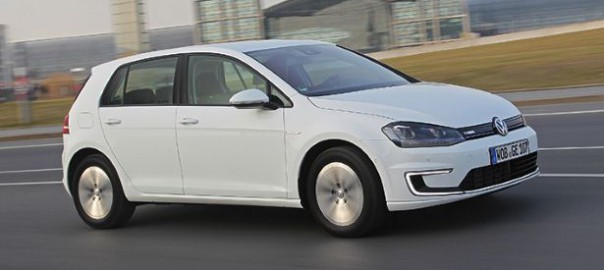
Volkswagen e-Golf review

Over time, you can loosely map the progress of affordable electric cars by the way they travel from Autocar’s Teddington offices to the test tracks we use.

All of the ‘ordinary’ EVs we’ve tested have reached the circuit that we use for photography, about 30 miles away, under their own power – even if some (Renault Twizy) have needed recharging when they get there.

The MQB platform the e-Golf is based on was designed with an electric powertrain in mind from the outset

But MIRA’s proving ground, in Leicestershire, is a different matter. The Mini E, Renault Zoe and early Nissan Leaf have needed stops en route or to be taken by trailer. A Tesla, however – Roadster or Model S – will do it in its stride. Any range-extended EV will call on fossil fuel reserves.

But the prospect of gliding into our test track car park with some miles showing on the ‘range remaining’ estimator, and without beads of sweat on our brows, is a tantalising prospect that is becoming more realistic by the month.

The current hope is this Volkswagen e-Golf, priced and sized to compete with the Nissan Leaf and BMW i3. It’s time to see how it fares, not just on the drive to the test track but also when it gets there and on all roads and sundry in between.

Read more: Autocar

VW e-Golf (Image: Telegraph)

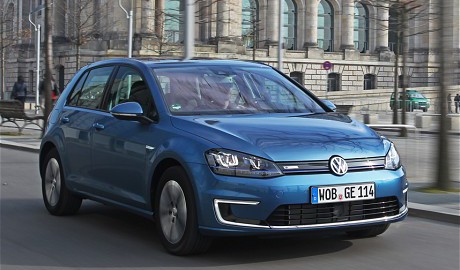
Volkswagen e-Golf versus Golf GTE

Volkwagen’s attempt to take on electric car rivals comes in the form of the e-Golf and Golf GTE

Electric cars remain a hot topic, so the chance to drive VW’s battery-electric e-Golf and its plug-in petrol/electric hybrid, the Golf GTE hot hatch, was interesting on several fronts.

There’s a crushing logic behind both of these eco cars, which is that the Volkswagen Golf has been Europe’s best selling car for the last two years. In 2013 the Golf’s 470,229 sales beat the second-placed Ford Fiesta by more than 60 per cent. So why fiddle with a winning formula for an electric future, when you can just pop in an alternative hybrid or battery electric driveline?

So the e-Golf and Golf GTE look like a standard Golf and mostly drive like one too. In the e-Golf you climb into a remarkably standard-looking cabin, engage Drive on a familiar looking gearstick, and stare at a standard-looking instrument binnacle, with a circular battery-usage meter in place of a rev counter. There’s a bit of creep built into the drivetrain to help when parking, but VW claims creep reduces overall range by between 1.2–3.1 miles, so it cuts out for prolonged brake stops or at speeds over 6.2mph.

Regenerative braking is not handled by the steering-column paddles as it was on the prototype we drove last year, but instead on the gearlever, which is neither as responsive nor as “special” as those paddles, which were dropped for cost reasons. So regen braking is shifted in four stages, with the ultimate, “B”, making the car drive like BMW’s i3 with full brake regeneration when you lift off the throttle – the brake lights go on in all but the mildest regen setting.

There are three main modes of travel: standard Drive, Eco and Eco+, which progressively limit the engine’s power, dull the throttle response and limit the air-conditioning. In standard mode and in the city, the e-Golf feels brisk enough (although the GTE is a lot faster). The ride on Berlin’s streets is mostly supple although the low rolling resistance tyres smash through potholes and there’s a bounding eagerness about the chassis over bumps. The steering is light and inert and the air-con is perfectly adequate although it eats into the range.

The GTE rides a little more harshly, but that fits its sporting credentials since this petrol/electric plug-in hybrid makes a combined 201bhp/258lb ft, which makes for a pretty quick car – 0-62mph in 7.6sec and a top speed of 138mph. Fuel consumption is quoted at 188mpg, but think 150mpg in urban use where the braking energy is saved in the battery; less on a long run.

The six-speed DSG transmission feels responsive, the steering is better weighted and the ride is more consistent than the e-Golf, but you do feel the 1.5 tons kerb weight of both cars as you turn into corners.

The interior is pretty much as the standard Golf GTI with blue instead of red flashes. Electric-only operation has a range of just 31 miles, the standard petrol/electric mode has a quoted range of 580 miles and there’s also a GTE setting on the dash, which sharpens throttle response and gives a more fruity exhaust note.

As well as its electric motor, the Golf GTE uses a petrol engine

It’s a pretty straight forward choice if you only have one car in the household: go for the hybrid GTE. It has good real-world performance and economy and a quoted range of 580 miles. It takes just 3.5 hours to recharge and your fleet manager and benefit-in-kind tax bill will enjoy its 35g/km CO2 emissions. And, since this driveline is already used by Audi and will be by Seat and Skoda, it should be reasonably reliable and economical to maintain.

Where the battery e-Golf scores is if you need a second or third car for mainly urban use and have access to charge facilities at home and at work. Recharge times are long off a household supply and the range is limited, but as an urban runaround it’s convincing, if not overwhelming.

Source: Telegraph (April 2014)

VW e-Golf (Image: Top Gear)

First drive: VW e-Golf

We take a spin in VW’s all-electric hatch. Is this, finally, an EV that makes sense for normal people?

What is it?

It’s the first-ever Golf to entirely do away with that old-school notion of an internal combustion engine. The e-Golf is instead propelled solely by an electric motor, fed by a battery pack, sending 113bhp to the front wheels. It’ll get from zero to 37mph in 4.2 seconds, to 62mph around six seconds later, and top out at 87mph. Prices start at £25,845 (including government EV subsidy) when it lands in the UK this summer.

It doesn’t sound very fast.

Honestly, in real-world driving, the e-Golf feels not only faster than those figures would suggest, but fast full-stop. There’s a fabulous slug of torque available from standstill – 199lb ft, no less – which gives the e-Golf a proper kick away from the lights. There’s so much twist on tap, in fact, that it’ll even spin its wheels if you get too lairy on the throttle.

Speaking of throttles, VW says its electric motor will turn your twitch-of-right-foot into torque at the wheels five times faster than a conventional petrol engine. Which means this thing has seriously pokey responses. Spot a gap, prod accelerator, be there. It’s not quite driving as we know it, but it’s rather lovely all the same.

Does it have that weird regen braking?

Yes, but you can alter the aggressiveness of the energy capture system, from almost non-existent to hauling you to a pretty rapid standstill as soon you lift off the throttle. The latter mode requires something of a recalibration of your brain and right foot, but once you’ve acclimatised it makes a lot of sense around town, and means you virtually never have to actually hit the brake pedal.

But if you don’t like it, you can dial out the effect of the regenerative braking, at which point the e-Golf feels like, well… like every other Golf: refined, solid, nice to steer, with all the VW nav/music/interior goodies we’ve come to expect. And, of course, it’s incredibly quiet, the only peep from the drivetrain a faint sci-fi whine at motorway speeds.

How far will it go on a charge?

VW quotes a range of 118 miles – claiming that its Golf is around 30 per cent more energy efficient than competitors such as the Nissan Leaf – but as ever with EVs, it depends how you drive.

In a mix of passably sensible urban and dual-carriageway stuff, we got just under 100 miles from a charge. Crank up the air con and attempt a triple-digit autobahn charge and you can half that figure. But that’s rather what the e-Golf does, in a gentle, non-sanctimonious way: makes you question exactly how much energy you really need to munch through.

Do you actually need full-blast air con (minus 15 miles from your range), or could you just open a window? Do you need the full 113bhp on tap when you’re crawling through traffic, or could you drop your Golf into ‘Eco’ or ‘Eco+’ mode, dialling down the power and increasing range yet further? It’s not how TG has traditionally sought its thrills, but it’s strangely addictive nonetheless.

On the subject of range, tell me about the battery.

It’s a posh lithium-ion job, with a 24.2kW capacity and a weight 318kg. That mass has no ill effect on handling, however, as the battery pack is tucked down between the axles, effectively under the passengers’ feet.

Doesn’t that mean there’s nowhere to store your feet?

No, legroom is identical to that of the normal-engined Golfs. Space for a battery pack was engineered into the MQB architecture from the start, so there’s no compromise to package the e-Golf’s electric gubbins. As you’d expect from VW, this is no bodge-job: every one of the Golf’s components has been optimised to consume as little energy as possible. It’s slippier, too, than the standard car, with a drag coefficient of 0.28 against the diesel Golf’s 0.31.

So should I buy one?

As ever with EVs, it depends what you need from your car. A realistic range of 100-odd miles is far more than enough for most day-to-day commuting needs, and equates to some dirt cheap motoring. VW reckons that, with the right energy tariff, you’ll pay around 5p per mile for your electricity: if TG’s maths is correct, a petrol car averaging 30mpg will cost you around 15p per mile at current UK fuel prices.

But if you’re regularly schlepping from Birmingham to Cornwall, the e-Golf won’t work for you: though it can be 80 per cent fast-charged in just 30 minutes, you’ll need 13 hours to brim the battery at home. And, of course, that requires a driveway, or at least a parking space with convenient power socket: your local constabulary might not be too happy about you dangling a flex from your third-storey flat to the street below.

But if the glove fits, by all means wear it. The e-Golf is an EV that works not just for urban statement-makers, but for most of us, most of the time. With the possible exception of the Tesla Model S – which is aimed at a very different end of the market – it’s the most convincing electric car ever made.

Source: Top Gear (March 2014)

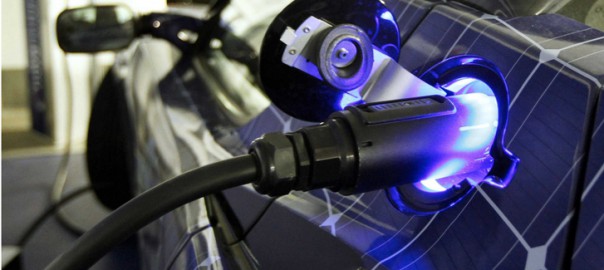
Electric Car Recharging

Is now the time to buy an electric or hybrid car?

Best cars and options explored

The future of driving appears to be electric, with Formula E in full effect, supercars adopting hybrid drive systems and range getting further all the time. Fuel powered engines may have their days numbered. But is it time to make the change to electric?

Now that the big car manufacturers are creating hybrid and electric cars we can be assured that it’s the future. And thanks to infrastructure improving all the time for charging stations range isn’t becoming such a big issue. But last year’s Tesla owners won’t get updated with the latest self-driving tech of this year’s Tesla, not a very nice reward for early adopting.

So is it still too early to adopt? Are batteries in cars suddenly going to improve to make current models a joke? We’ve looked at what going on to help give you a clearer idea of what to do.

Pure electric cars right now

The selection of pure electric cars right now isn’t huge, but it’s more than ever before and range is now good enough for day-to-day use. Prices, in the UK at least, are kept reasonable thanks to government assistance taking £5,000 off the price and offering free tax. If you offset petrol costs too you’re saving even more.

At the top end there’s Tesla with its Model S boasting all wheel drive and self-driving smarts starting at around the £50,000 mark. But this is in a league of its own with sports car performance, plus the latest model is not actually going to be in the UK until July 2015, even if you can buy yours now.

Then there are established brands like BMW, Ford, VW, Nissan and Renault all making fully electric cars at affordable prices right now.
Range, charging times, price and power

When going electric most people will be juggling these few key numbers: range, charging time, price and power.

PRICE: Firstly there’s price, at which the Renault Zoe wins by a fair margin starting at £14,000. Nissan’s Leaf can be bought from £16,500, Kia’s Soul EV is £25,000, the VW e-Golf is from £26,000, and BMW with its i3 is from £31,000.

RANGE: The range winner, from the reasonably priced cars, is the Kia Soul EV with 135 miles. In close second is the Nissan Leaf with 124 miles. Coming in behind them is the BMW i3 with a 118 mile range along with the VW e-Golf also sporting a 118 mile range, followed by the Renault Zoe with 93 miles.

Of course if you include the Tesla Model S that wins with its base model eeking out an impressive 240 miles on a charge and its top end offering 312 miles a go. But you get what you pay for.

CHARGE: This is a fairly even playing field with the cars all offering a rapid charge to 80 per cent in half an hour. Across the board it’ll cost you to upgrade your home charger for faster charging but this can result in as fast as a 3-hour charge to full.

POWER: Electric cars deliver all their torque instantly and the engine directly powers the wheels, this means they feel really nippy pulling away. The Nissan Leaf utilises 107hp to do 0-60mph in just 7 seconds making it the quickest of the lot off the mark.

The BMW i3 has 170hp for a 0-60mph time of 7.2 seconds, the Renault Zoe has 83hp for a 0-60mph time of 8 seconds, and the VW e-Golf manages 0-62mph in 10.4 seconds thanks to its 114hp motor. In last place is the Kia Soul EV with its 108bhp delivering a 0-60mph time of 10.8 seconds.

So for price the Renault Zoe wins it, but for range and power the Kia Soul EV comes out on top.

Plug-in hybrid electric cars right now

Hybrids have been around for years with the Toyota Prius leading the way with its dual-drive system. These are now more common than ever with Uber drivers using Prius as the car of choice.

But the market has grown, especially recently, with plug-in hybrids that allow drivers to charge at home so they may never need to use the fuel engine, instead reserving that for long distance journeys only.

From the Volvo V60 Plug-in and Ford Mondeo Titanium Hybrid to the Golf GTE or the BMW i3 with range extender, hybrids are fast becoming viable alternatives to single engine cars. The extra you may spend on the new technology can soon be made back in the petrol and tax savings they offer.

Range, charging times, price and power

Plug-in hybrid cars mean less of a worry about range than pure electric while also offering power and a reasonable price.

As with the Tesla we’re not going to include the likes of the McLaren P1, BMW i8, Porsche 918 and Ferrari LaFerrari as they’re all reserved for the super rich. And we’re only using plug-in hybrids as straight hybrids are fast becoming outdated in favour of the electric only options and extended range of plug-in hybrids.

PRICE: The plug-in hybrid range have all arrived at a similar time with manufacturers savvy to the government’s £5,000 contribution. For this reason they’re all very similarly priced.

The winner, by a narrow margin is the Ford Mondeo Titanium Hybrid from £25,000, with Mitsubishi PHEV GX3h from £28,250 in second and closely followed by the Toyota Prius Plug-In Hybrid from £28,395.

Then we have the Vauxhall’s Ampera from £29,000, Audi A3 Sportback e-tron from £35,000, BMW i3 Range Extender from £34,000 and Volvo V60 Plug-in hybrid from £45,000.

RANGE: Winning with an impressive 967 mile range is the Ford Mondeo Titanium Hybrid but it only manages around 20 miles on electric alone. Closely behind that is the BMW i3 with range extender that offers a 930-mile top end with pure electric for 105 miles, making it overall cheaper to run than the Ford. The Toyota Prius Plug-In Hybrid can manage up to 700 miles in one journey but loses on electric alone with just 15 miles on a charge.

Audi’s A3 Sportback e-tron can last for 585 miles with 31 of those miles on electric alone. Despite its size the Mitsubishi PHEV GX3h manages 500 miles with 32 on electric alone. Vauxhall’s Ampera eeks out 310 miles with between 20 and 50 of those miles on battery.

CHARGE: As in pure electric cars this is a fairly even playing field with the cars all offering a rapid charge to 80 per cent in half an hour. Across the board it’ll cost you to upgrade your home charger for faster charging but this can result in as fast as a 3-hour charge to full.

POWER: The Audi A3 Sportback e-tron, as the name suggests, wins this with a 0-62mph time of 7.9 seconds thanks to 204hp. The BMW i3 Range Extender model is second offering 170hp for 0-60mph in 7.9 seconds.

The Vauxhall Ampera does 0-60mph in 8.7 seconds with 148hp, despite having 178hp the Ford takes 9.2 seconds to get from 0-62mph, the Toyota Prius Plug-In Hybrid gets from 0-60mph in 11 seconds from 134hp, the Mitsubishi PHEV GX3h does 0-60mph in 11 seconds and has 186hp.

The winner for price is the Ford Mondeo Titanium Hybrid but the BMW i3 takes it for range with the Audi offering the most power.

Future electric and hybrid cars

The future of electric cars and hybrid machines is looking positive. Charging infrastructure is cropping up all over the country with Tesla’s Elon Musk promising to install his Supercharger network UK wide by the end of next year.

Crucially, right now, it’s possible to drive pure electric all the way from the top of Scotland to the bottom of England thanks to fast chargers along the way. It might take a little longer than petrol cars since you have to stop for half an hour to recharge, but it won’t cost as much by a long shot. So adopting right now, especially if you’re going for a hybrid, isn’t as risky as it once was.

Another issue is batteries. Developments are being made more and more regularly as car manufacturers pour money into research. But worrying about having an older battery shouldn’t be an issue as, hopefully, manufacturers will be able to swap out old for new future-proofing any car you buy now.

Next year Tesla hopes to offer a car which is nearly completely self-driving. But since that’s out of the price range of most people current electric car offerings are plenty futuristic.

If you’re already driving a car and the cost of petrol and tax are proving too much then electric or hybrid could be your way out.

Source: Pocket Lint
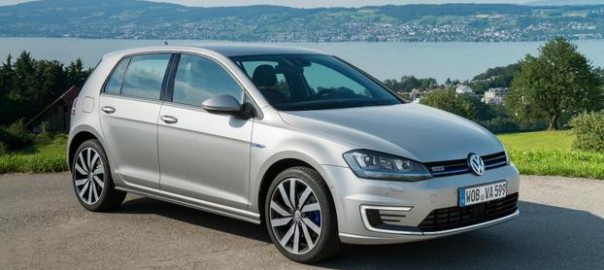
Volkswagen Golf GTE (Image: Evo)

Volkswagen Golf GTE review and pictures

What is it?

The Volkswagen Golf GTE is a plug-in hybrid version of the perenially popular family hatchback. As the badging suggests though, this is no hair-shirt rival to cars like the Toyota Prius Plug-In.

Volkswagen instead bills the GTE as the third member of its Golf GT family, joining the petrol Golf GTI and diesel Golf GTD. Knowing what we do about those models, that billing suggests this new car will be a keen performer and a fun, engaging hot hatch in a demonstrably grown-up sort of way.

Technical highlights?

The internal combustion engine is a 1.4-litre, four-cylinder turbo petrol unit, good for 148bhp, and the gearbox is a six-speed DSG. The 75kW (101bhp) electric motor sits between the two and drives through the gearbox. The hybrid drivetrain, which sends power to the front wheels only, delivers a peak output of 201bhp rather than the theoretical combined maximum of 249bhp because the power curves don’t quite converge at their peaks.

What’s it like to drive?

According to Volkswagen’s own figures, the Golf GTE is 173kg heavier than the GTI. It’ll sprint to 62mph in 7.6 seconds and top out at 138mph; those performance figures are more closely aligned to that of the 1.4 TSI model than the GTI. In its electric-only mode, it’ll cover 31 miles on a full charge.

It must be said that the hybrid drivetrain does work very well. Urban driving and electric motors, with their near-silent operation and instant torque hit, are so well matched that it’s easy to buy into the Golf GTE as a town car.

The powertrain also offers a switchable mode that ramps the energy harvesting up by such a degree that the driver needn’t bother with the brake pedal in town, although that mode is more off-putting than it is useful out on the open road. There’s a sharp edge to the way the GTE rides on city streets, which is just enough to hint at some degree of athleticism without ruining the ride comfort.

The true depth of the Golf GTE’s sporting merit depends entirely on perspective. If the point of reference is a conventional plug-in hybrid or full electric car there’ll be much to commend about the way the GTE grips securely with solid body control and good agility.

Judged as a traditional hot hatch, however, the GTE is unexciting, unrewarding and possessed of a benign chassis that collapses into understeer rather early – almost every component in the drivetrain is located ahead of the front axle line, after all.

How does it compare?

On paper it’s a deeply compelling package, but the reality is that the parsimonious fuel economy figures can only be repeated in quite particular circumstances, and in dynamic and performance terms it’s simply not in the same league as its stablemates, the Golf GTI and GTD.

It is, however, the only plug-in hybrid at this price point that holds driving enjoyment in any regard, which puts the GTE at the very top of a class of one. A Prius Plug-In is nothing like as entertaining, and Volvo’s V60 Plug-In Hybrid is more expensive and less dynamic.

Perhaps closest in spirit is the BMW i3 with the optional range-extender engine. It’s similarly priced – £33,830 before the government’s £5,000 plug-in car grant – and has similar performance with a 7.9sec sprint to the legal limit. It’s more technologically (and stylistically) interesting than the Golf, but the tall body and skinny tyres result in very different dynamics to the more conventional Volkswagen.

Anything else I need to know?

The headline 188mpg figure was achieved on the official New European Driving Cycle (NEDC) test for plug-in hybrid cars. The test is structured so that for two-thirds of its duration the subject is run in electric mode, then in hybrid mode for the remaining third of the test.

That means, then, that the Golf GTE’s petrol engine was only running for one third of the test. By extension, the owner will only replicate that 188mpg figure by running in electric mode for two-thirds of his or her overall mileage. In short, the Golf GTE will only deliver on its grand promises if the owner can plug in regularly and tends only to cover relatively short distances.

Source: Evo

First Drive: 2015 Volkswagen eGolf

There’s officially a Volkswagen Golf for everyone. The standard Golf is a go-to choice in the compact hatchback market. Enthusiasts love the GTI, and diesel-drinking enthusiasts can’t wait for the GTD to get here (seriously… hurry your asses up on that one VW).

Now Volkswagen has a Golf for the ultra-green set. It’s the 2015 eGolf, and it’s the automaker’s first shot at a fully electric machine here in the United States.

What makes it special beyond its propulsion system? Nothing… and that’s why people will like it.

[Skip to 0:50 seconds to avoid advert]