Daily Archives: May 29, 2017

THE SURGE IN ELECTRIC CAR USE

The growing popularity of electric vehicles makes it difficult to remember when the environmentally friendly automobiles were considered appropriate solely for short local trips.

Today, an increasing awareness of the connection between cars and climate change, coupled with a growing number of electric car charging stations is inspiring a surge in electric car use around the world.
Europe is the current frontrunner in the global race to increase electric car use, with Norway leading the charge. Having stated that they plan to eliminate using all fossil fuel powered vehicles by 2025, the Scandinavian country offers residents an array of incentives designed to make the switch to electric vehicles easy.

While Europe is embracing electric vehicles, the current world leader for electric car use is China. With their sights set on the future, China is focused on achieving their reported goal of deploying 5 million electric vehicles by 2020. To date, there are approximately 600,000 electric vehicles on the road in China.

The surge in electric car use has prompted the rapid installation of electric car charging stations worldwide. Once limited to a radius of approximately 100 miles per charge, some new generations of electric vehicles are promising that a full charge will last for approximately 200 miles.

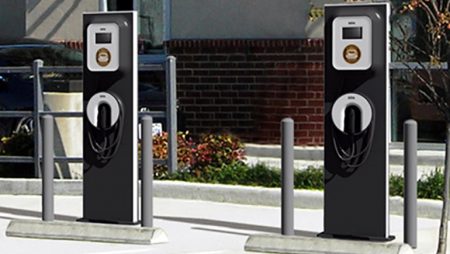
In addition to the increased power of electric vehicle charges, electric car charging stations are also improving. A full charge, which can take approximately eight hours, can now be accomplished in little over 15 minutes by using quick charging stations.

While there are still challenges, such as under supported power grids, obvious next steps will be for countries to enhance their power grid to prevent brownouts due to the high volume of people charging vehicles.

Read more: Sparta Capital

Electric superminis to cost the same as petrol cars by 2020

Renault’s EV boss says the cost of electric cars such as the ZOE will drop, bringing them in-line with conventionally-powered cars

Renault’s head of electric vehicles believes EVs like the ZOE will cost about same as similarly sized, conventionally-powered cars by the year 2020.

Gilles Normand, senior vice-president for electric vehicles at Renault, said that sales of the firm’s small EV, the ZOE, have jumped 90 per cent between 2016 and 2017, thanks to the introduction of a larger battery capacity. And he believes that as more manufacturers and suppliers invest in battery development and manufacturing, the prices of EVs will take only a couple of years to reach the same level as petrol-engined cars.

Speaking at the Financial Times Car of the Future Summit in London, Normand said, “We are moving faster than we expected. When we introduced the first ZOE back in 2012, we didn’t think the new battery capacity would come in 2016; we expected it by 2018.

“There’s now a huge amount of money being invested by OEMs and by suppliers, tier one suppliers. This will bring further technology breakthroughs in battery tech. And then it’ll further help sales, because it’ll be more affordable.

“So we mustn’t forget that the prices of combustion-engine cars will go up, and EV prices will come down. If you go for B-segment [cars like the Ford Fiesta], by early next decade we consider the prices of EVs will be on par with combustion-engined cars. With the C-segment [cars like the VW Golf], it’ll be the middle of the next decade. And in industry terms, the year 2020 is like tomorrow morning at 8am, right? And this will be another trigger point for more and more adoption.”

Source: Auto Express

Time to get switched on to electric vehicles

It is still early days for electric vehicles (EV), but with more motorists reaping the benefits of electric driving, the market is growing.

Total plug-in car registrations for 2016 passed the sector’s 2015 total, while the Government’s pledge to invest £35m in the ultra-low emission vehicle sector will help ensure that development of the UK’s EV charging infrastructure keeps pace.

Improvements in battery technology mean that pure EVs can now travel around 100 miles on a full charge, while plug-in hybrids (PHEVs) and range extenders enable vehicles to travel several hundred miles.

Phil Gilbert, director of energy solutions at E.ON, says:

“We’re seeing huge growth in the number of new electric vehicles on the road, including hybrid technologies and pure electric vehicles from manufacturers such as Tesla, BMW and Mitsubishi.

“As this growth continues, we want to offer our business customers the ability to take full advantage of the financial and environmental benefits of charging their fleets or their employees’ cars at work, or offering a charging service to their customers.”

To do that, the company (which has a well-established network of charging points across Europe), is launching a range of charge-point solutions. It’s part of a wider drive from E.ON to work with clients to help maximise the benefits of investment in EV infrastructure.

Read more: The Telegraph

The Predicament of Venice

I’m currently enjoying a short stay in Venice. It’s a beautiful place with an astonishing amount of priceless art and architecture.

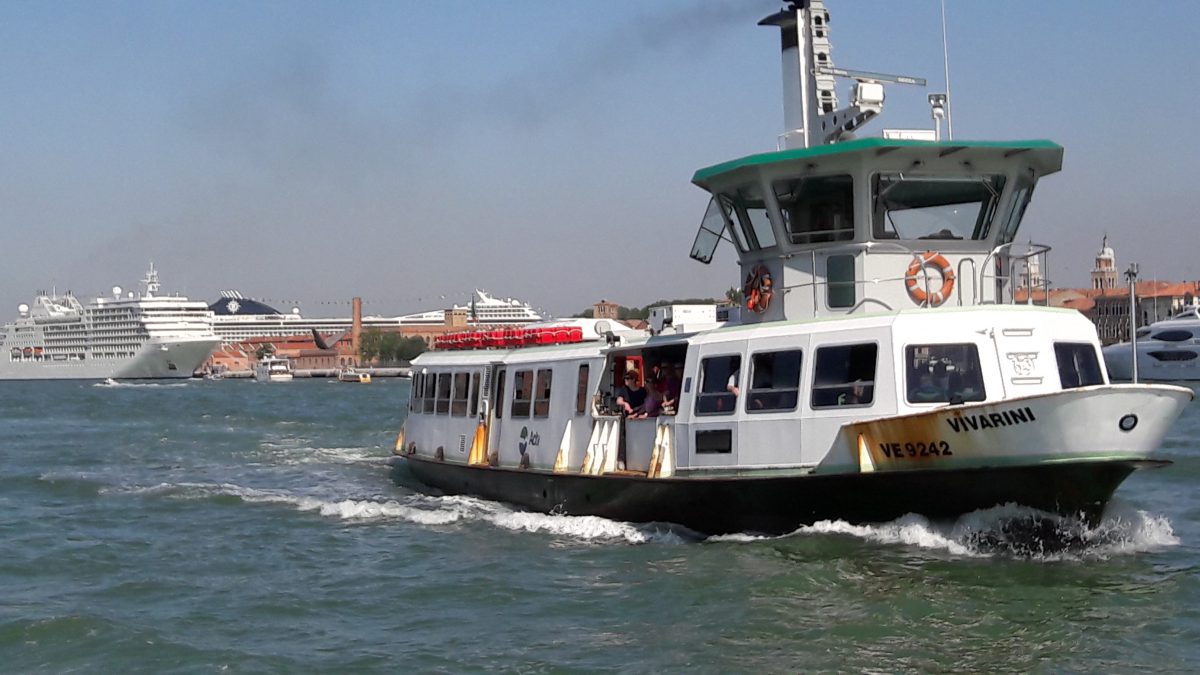
The fumes from the tourist boat merge with the fumes from a berthed cruise ship in Venice (Image: T. Larkum)
The fumes from a tourist boat merge with the fumes from a berthed cruise ship in Venice (Image: T. Larkum)

However, it is clearly dying. Over the centuries it has suffered from regular flooding. Most of the buildings have long-term damp. This has led to inevitable deterioration of the art, particularly murals and frescoes.

Now with climate change the problems are accelerating. There are plans being made to save the island and its art. However I think they can only delay the day that Venice goes under permanently, not prevent it.

Venice is in a predicament; if it were a problem it could be solved. A predicament you have to manage the best you can.

Part of the issue, of course, is that Venice itself is itself a contributor to climate change. It is a major hub for tourism. People come here from all over the world by plane, train, bus and car.

Once here everyone travels around in a range of boats, all of which (with the exception of the famous people-powered gondoliers) appear to be diesel powered.

Anywhere near the waterways has the smell and often haze of diesel fumes and black smoke. And this place receives massive cruise ships.

There were four berthed yesterday morning, and we saw one tugged past St Michael’s Square yesterday evening. It appeared to dwarf the Basilica and bell tower.

A vast cruise ship goes past St Mark's Square, Venice (Image: T. Larkum)
A vast cruise ship goes past St Mark’s Square, Venice (Image: T. Larkum)

Of course, none of that will change. It’s tourism that pays to keep Venice going and to repair the ongoing damage. It also allows for planning of additional flood defences.

Hence the predicament of Venice, a problem that can’t be solved.


[Update: Since getting back home I’ve found some interesting related articles: