It had a good run. But the end is in sight for the machine that changed the world

“HUMAN inventiveness…has still not found a mechanical process to replace horses as the propulsion for vehicles,”
lamented Le Petit Journal, a French newspaper, in December 1893. Its answer was to organise the Paris-Rouen race for horseless carriages, held the following July. The 102 entrants included vehicles powered by steam, petrol, electricity, compressed air and hydraulics.
Only 21 qualified for the 126km (78-mile) race, which attracted huge crowds. The clear winner was the internal combustion engine. Over the next century it would go on to power industry and change the world.
The big end
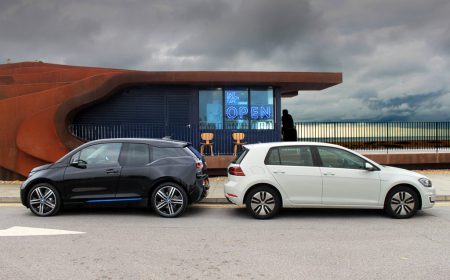
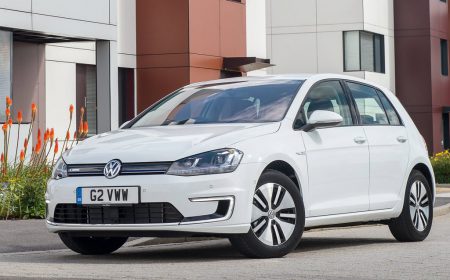
But its days are numbered. Rapid gains in battery technology favour electric motors instead (see Briefing). In Paris in 1894 not a single electric car made it to the starting line, partly because they needed battery-replacement stations every 30km or so. Today’s electric cars, powered by lithium-ion batteries, can do much better.
The Chevy Bolt has a range of 383km; Tesla fans recently drove a Model S more than 1,000km on a single charge. UBS, a bank, reckons the “total cost of ownership” of an electric car will reach parity with a petrol one next year—albeit at a loss to its manufacturer. It optimistically predicts electric vehicles will make up 14% of global car sales by 2025, up from 1% today. Others have more modest forecasts, but are hurriedly revising them upwards as batteries get cheaper and better—the cost per kilowatt-hour has fallen from $1,000 in 2010 to $130-200 today.
Regulations are tightening, too. Last month Britain joined a lengthening list of electric-only countries, saying that all new cars must be zero-emission by 2050.
Read more: The Economist

 Apparently a suspicious object has been found under a bridge near Newport Pagnell. This started an explosive device incident. However, further investigation seems to have turned it into a chemical spillage incident. Anyway, the motorway is shut both ways between Junction 15 and J14. I joined the back of the queue about 8.30am and it’s now 11.30.
  People are milling around and chatting, and generally behaving well. However it’s shocking how many drivers keep their engines running. For the first couple of hours you couldn’t walk around without being assaulted by the noise, smell and fumes from three rows of diesel. Now, three hours in, most are off with just a few diehards keeping them on continuously.