Monthly Archives: August 2023

cheapest electric car UK

OVO customers saved over £1 million in six months with its smart EV tariff

Energy supplier OVO says it has saved customers on its Charge Anytime tariff over £1 million in half a year.

The Charge Anytime tariff uses smart charging to power electric vehicles (EVs) for 10p per kWh at any time of day, saving the average customer £129 per month.

Customers have completed over 5 million kWh of smart charging, which uses an algorithm to automatically shift charging away from peak times, usually between 4-7 pm, to periods when the grid relies on cleaner energy sources.


POD Point installed (Image: T. Heale)

The 10p per kWh rate is three times cheaper than the national average (30p per kWh) and seven times cheaper than many public charge points. The tariff is powered by Kaluza’s smart technology, which OVO says has resulted in a 67% reduction in charging costs.

One OVO customer who drives over 1,000 miles per month to transport disabled, vulnerable, and elderly individuals to their appointments, is said to have seen their monthly costs drop significantly from over £120 in a petrol car to approximately £40 with her EV and the Charge Anytime program.

Alex Thwaites, director of EV, OVO, said: “It’s incredible to see the impact Charge Anytime is making for people and the planet. By using smart technology to shift EV charging out of peak times when the grid is more reliant on fossil fuels, we’re able to provide greener, cheaper energy for customers.

Read more: Current+

It’s Time to Go Green!

If you would like to know more about Solar Panels and the PowerBanx range of home battery systems, and get a free instant quote, please complete our online form:

Electric car owners celebrate 1 August as it’s when ‘average petrol bills surpass EV charging costs for the calendar year’

  • It’s been estimated that today is when EVs are ‘free to drive’ compared to petrols
  • Calculation is based on the cost to cover average annual mileage of 7,400 miles 

That’s because 1 August marks the date when the cost of filling up a petrol car surpasses the electricity bills to charge an EV for the calendar year, according to one business operating in the EV sector.

It estimates that the average EV owner pays £740 in charging costs per year – and drivers of petrol engine cars will have racked up the same amount in fuel receipts today.

Today is said to be the crossover point when EV owners are ‘driving for free’ compared to those who own petrol cars, says The Electric Car Scheme – a company that helps motorists access government tax incentives for EV salary sacrifice.


Mazda MX-30 EV (Image: Mazda)

It has dubbed 1 August ‘Electric Car Day’ as it ‘underlines just how much more affordable electric cars are, with average EV drivers essentially getting five months of free driving’.

The bold claim comes after it crunched the numbers on annual fuel costs for the average UK driver to travel 7,400 miles a year (the national average in 2019).

The calculation is based on the average price of petrol so far this year (146.26p a litre) and a vehicle returning 38.8mpg, bringing its total annual fuel bill to £1,268.

Read more: ThisMoney

It’s Time to Go Green!

If you would like to know more about Solar Panels and the PowerBanx range of home battery systems, and get a free instant quote, please complete our online form:

Peugeot e-2008 electric SUV (Image: Peugeot)

Octopus launches salary sacrifice scheme for used EVs

A salary sacrifice scheme for second-hand electric vehicles (EVs) has been launched by Octopus Electric Vehicles.

Octopus’ ‘Nearly New’ salary sacrifice offering aims to make EVs more accessible to the mass market.

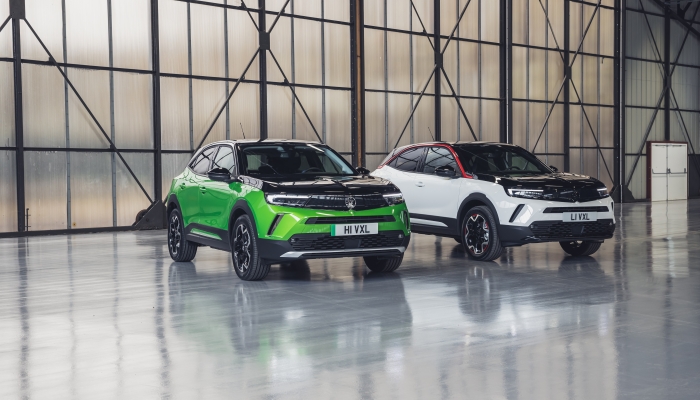
Drivers are able to access an electric Renault Zoe, Peugeot e-208 and Vauxhall Mokka-e for roughly £300 a month, including fuel, insurance and maintenance costs.

The used scheme builds on the salary sacrifice scheme it launched for new EVs in 2021, which is now being used by more than 3,500 companies.

Fiona Howarth, CEO of Octopus Electric Vehicles, said: “Used cars make up more than four out of five car sales in the UK, and so to reach net zero transport, we need to build a strong second-hand market for electric cars.

Vauxhall-Mokka-eSUV (Image: media.vauxhall.co.uk)

“As with all tech, the early models are expensive but with a growing fleet of second hand cars, you can now run one of these high tech, green, fun cars for half the price of an old school gas guzzler.”

All of the cars on offer are less than two years old and have been fully serviced.

“Leasing for EVs is an attractive option for people looking to go electric, allowing drivers to switch to the latest tech every few years and take advantage of low fuel costs,” continued Howarth.

“Very few of our drivers ever look back, and now going electric is even more affordable, opening it up to more drivers that may not have previously considered it.”

Read more: FleetNews

It’s Time to Go Green!

If you would like to know more about Solar Panels and the PowerBanx range of home battery systems, and get a free instant quote, please complete our online form:

Investigation: Who’s driving the anti-electric car agenda… and why?

If you read the newspapers, it’s been hard to miss the negative electric car commentary that has gained plenty of column inches.

A distinct anti-EV agenda has dominated news pages recently – in the Daily Mail, The Sun and the Daily Telegraph – but is the rhetoric justified?

The negative media coverage of electric vehicles was led by a week-long series of articles in the Daily Mail.

It included front pages with headlines including ‘Put Brakes On Damaging 2030 Petrol Car Ban’ and ‘Proof Politicians Are Out Of Touch On Electric Cars’.

Even yesterday the Mail ran an article about why ‘electric cars are not as green as you think’.

The coverage has led some to question the motivations behind the papers’ headlines, with EV lobby group Fair Charge UK’s spokesman Quentin Willson describing it as ‘an incredible tirade’ and openly questioning what had triggered such ‘relentless negativity’.

In a series of exclusive interviews for this article, Car Dealer spoke to protagonists from all sides to ascertain their motivations.

Ray Massey, Daily Mail motoring editor, pointed Car Dealer to an editorial column he had written explaining his position when asked for comment.

He wrote: “The government’s blind insistence on banning new petrol and diesel cars by 2030 – and all hybrids by 2035 – is nothing short of bonkers.

Read more: Cardealer

It’s Time to Go Green!

If you would like to know more about Solar Panels and the PowerBanx range of home battery systems, and get a free instant quote, please complete our online form:
Date set for the end of Zoe

Renault will cease production of its Zoe electric car on 30 March 2024. It was already clear that there would be no new Zoe generation, but now the date has been set for the end of production at the Flins plant. Zoe has blazed a trail in her time.

The electric Renault pioneer is making room for a new generation of Renault electric cars, for which Zoe piloted vehicle-to-grid (V2G) technology, including the electric Renault 5. The R5 will be unveiled as a production model later this year and produced from 2024 onwards in Douai in northern France rather than in Flins like Zoe.

2018 – Renault ZOE

In addition to the Zoe, another of the French electric pioneers is on the brink of extinction – Renault recently announced that production of the Twizy electric microcar will end in September 2023, replaced by the Mobilize Duo and its cargo offshoot Bento. The two new models will be fully integrated into operations at Flins with mechanisms of the circular economy and new approaches to the car as a revenue platform.

To date, around 420,000 units of the Zoe have been produced since the start of production in 2012. Although there are still relatively few B-segment electric cars are still on the market, customer interest in the Zoe has been has been steadily declining. According to French reports, 12,182 Zoes were sold last year, almost half the number sold in 2021. The competing Peugeot e-208 achieved sales of around 19,000.

Read more: electrive

It’s Time to Go Green!

If you would like to know more about Solar Panels and the PowerBanx range of home battery systems, and get a free instant quote, please complete our online form:

InstaVolt submits plan for ‘largest’ ultra-rapid charging hub in Brentford, London

UK public charging network InstaVolt has announced plans for London’s largest ultra rapid charging hub in Brentford.

The site, at Syon Park, is close to the A4 and M4, will provide rapid charging for people travelling into and out of the West of London.

InstaVolt is aiming to install 10,000 rapid chargers by 2030. InstaVolt operates an open charge model allowing any EV driver to use their charging points.

The company says their new hub will be the largest ultra-rapid charging hub within the M25. The site will feature 14 160kW BYD chargers, according to the planning application on the London Borough of Hounslow website.


Ecotricity rapid charger with LCD display (Image: T. Larkum)

Adrian Keen, chief executive of InstaVolt says: “The location of Syon Park is pivotal to engaging those who live on the commuter belt and providing them with an option to charge at a site where they themselves can switch off and recharge.”

“Being able to launch a large hub with reliable charging and access to amenities Syon Park offers, is key to encouraging a change of sentiment when it comes to charging in the UK. We want EV drivers to see charging as an opportunity to rest, take in nature, or stop for a bite to eat,” Keen said.

Earlier in July, InstaVolt announced plans to build what it says will be the UK’s largest electric vehicle (EV) charging ‘Super Hub’ near Winchester.

Read more: Current+

It’s Time to Go Green!

If you would like to know more about Solar Panels and the PowerBanx range of home battery systems, and get a free instant quote, please complete our online form:

Copyright: arisanjaya / 123RF Stock Photo

Tata Group confirms plans to build gigafactory for batteries in the UK

The company says the £4bn investment will create up to 4,000 new direct jobs and thousands more in the wider supply chain.

The owner of Jaguar Land Rover has unveiled plans to build an electric car battery factory in the UK.

Tata Group says it’s planning to invest more than £4bn, with Prime Minister Rishi Sunak declaring that the new plant in Somerset will create thousands of skilled jobs for Britons across the country.

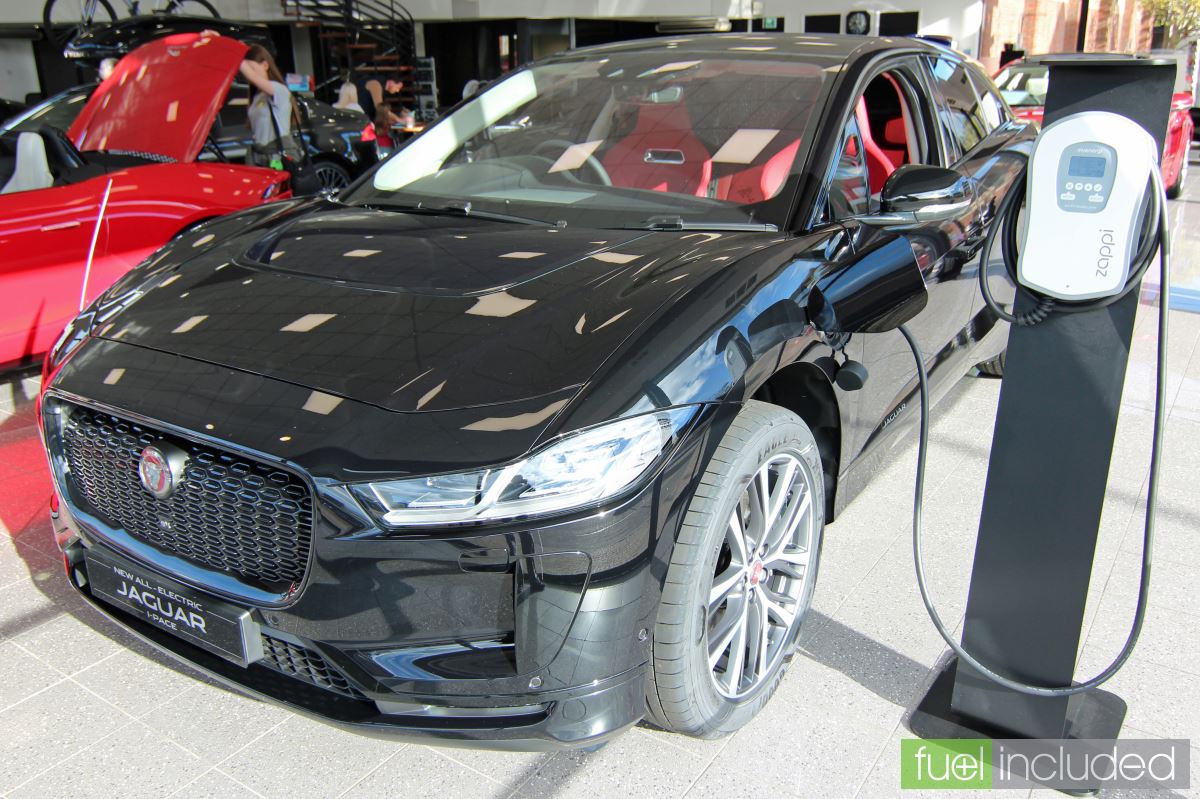
Jaguar I-PACE Electric Car (Image: T. Larkum)

The deal is the culmination of months of talks with the government over taxpayer subsidies to fend off reported competition for the investment from Spain.

It marks a step in the right direction for UK ministers amid mounting challenges over the transition to electric powertrains, as the clock ticks down to the 2030 ban on the sale of new cars using petrol or diesel.

According to Tata Group, this marks one of the largest-ever investments in the British automotive sector, and the gigafactory will deliver half of the battery production needed by 2030.

Read more: skynews

It’s Time to Go Green!

If you would like to know more about Solar Panels and the PowerBanx range of home battery systems, and get a free instant quote, please complete our online form:

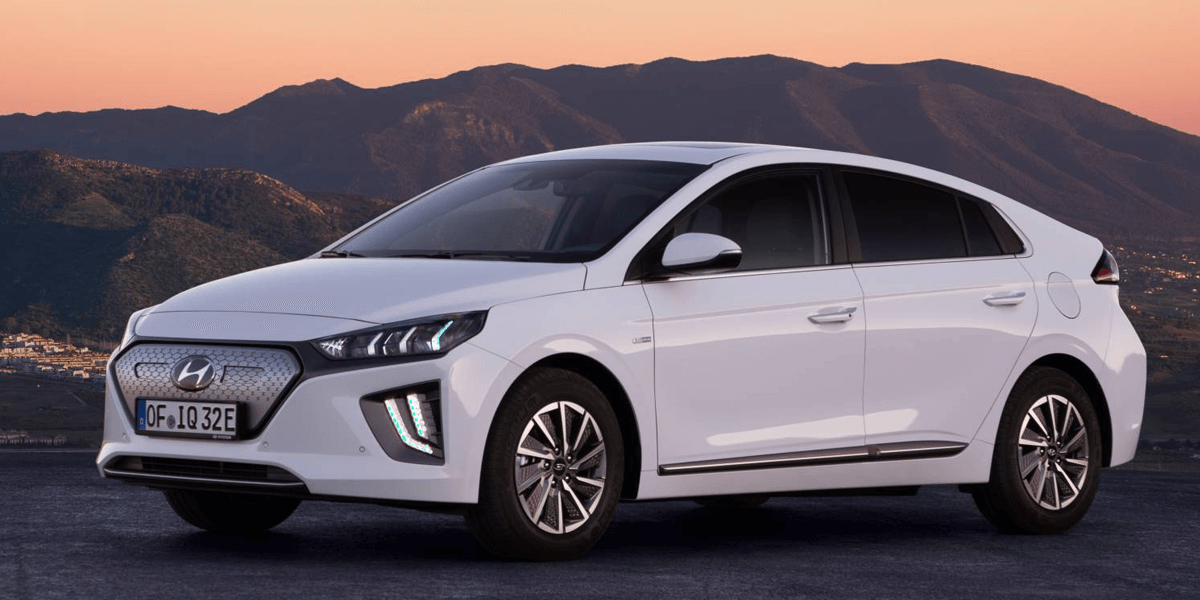
2020 Hyundai IONIQ (Image: Hyundai)

Here are 10 of the best family friendly electric cars to buy

From the kids to the kitchen sink, these are the EVs tailor-made to suit family life

Ford Mustang Mach-E

“The most important Ford since the Mondeo? The Model T? Probably somewhere between the two in terms of what it means to the brand and its future. As crucial as the original Mustang, then – another car that kick-started the blue oval and launched it into a new and exciting future. Make up your own mind about the look of the car and what it says about you, but be in no doubt that underneath this is a fundamentally very well executed machine.”

Hyundai Ioniq 5

“That Hyundai is now confident enough to put a car as bold-looking as the Ioniq 5 on sale is impressive. But the fact this retro XXL hot hatch bodywork conceals one of the most complete family EVs money can buy is downright remarkable. If Hyundai can maintain this momentum behind the upcoming members of the Ioniq family, then the likes of VW’s ID cars and even Mercedes’s EQ clan ought to be extremely worried.”

Kia EV6

“The EV6 proves that forward-thinking doesn’t need to be entirely wacky. Distinctive yet not likely to immediately fall off a fashion cliff, interesting to drive but not likely to worry a dedicated sports car, the EV6 carves a very different path dynamically to the Hyundai Ioniq 5 with which it shares bones and blood. And that’s no bad thing.


KIA EV6 (Image: kia.com)

Read more: TopGear

It’s Time to Go Green!

If you would like to know more about Solar Panels and the PowerBanx range of home battery systems, and get a free instant quote, please complete our online form:

ELECTRIC CARS – CLIMATE SAVIOURS OR ECO-VILLAINS?

As electric car sales skyrocket, there are some tough questions to answer, writes Danny Chivers.

Owning an electric car could double your chances of getting a date.

This eye-catching claim – from car dealers Big Motoring World – gives a sense of the buzz around electric vehicles (EVs) right now. And whether or not they can ignite your love life, EVs are definitely on the rise.

Global sales of fossil-fuelled cars have been falling since 2017 – down from 86 million to 69 million in 2022. In contrast, electric car sales increased by 60 per cent in 2022 and are projected to rise further in 2023 to conquer almost 20 per cent of the global car market.

Battery electric cars are now outselling diesel cars in the UK, and make up 26 per cent of all car sales in China.


The UK’s electric vehicle drive has put the energy sector on the road to change

But is this definitely good news for the planet? What about all the extra mining needed for electric vehicles, and the increased electricity demand? Aren’t we meant to be switching to buses, trains and bikes, rather than building more cars?

Ultimately, is there a risk that by electrifying the car market, we’re just swapping one set of problems for another?

ARE ELECTRIC CARS THE LEAST WORST OPTION?

In a direct comparison, a battery-powered car is definitely better for the planet than a fossil-fuelled one.

We’re not just talking about cleaner air and less noise pollution in cities; internal combustion engines are highly inefficient, wasting over 70 per cent of the energy in the fuel.

Read more: NewInternationalist

It’s Time to Go Green!

If you would like to know more about Solar Panels and the PowerBanx range of home battery systems, and get a free instant quote, please complete our online form:

Lex Autolease report shows appetite for electric vehicles

Almost two-thirds (60%) of drivers will move away from petrol and diesel vehicles and opt for battery technology when choosing their next car, with two-fifths (40%) set to choose a fully electric vehicle (EV).

That’s according to a new Future of Transport Report, a bi-annual analysis of the UK’s transport sector from leasing giant Lex Autolease.

It includes the Future of Transport Index, a new measure which uses a unique data set to track the level of confidence in different transport technologies and reveal how attitudes towards them are evolving.

The report reveals that drivers are shifting away from traditionally fuelled cars mainly due to the cost of ownership and their environmental impact.

MINI Cooper Concept (Image: MINI)

Drivers are keen to go electric to avoid clean air zone (CAZ) charges (35%) and to make savings on overall maintenance and running costs (34%).

Two-thirds (66%) of respondents say it’s important that the vehicle they drive helps them reduce their environmental impact and almost as many (63%) feel that the transition to EVs is important to help the UK reach net zero.

Despite this momentum, concerns remain, particularly when it comes to access to charging infrastructure.

The availability of charging points was a significant concern for more than half of respondents (52%) followed by the length of time to charge (41%) and the logistics of installing charging infrastructure at home (31%).

Read more: FleetNews

It’s Time to Go Green!

If you would like to know more about Solar Panels and the PowerBanx range of home battery systems, and get a free instant quote, please complete our online form: