Daily Archives: September 14, 2015

The BMW i3 and i8 used by Formula E

Record sales of BMW i3 and i8

BMW has seen sales of its electric division exceed 30,000 units by the end of the first half of 2015.

The i brand was launched in November 2013, when the i3 went on sale. More than 26,000 of the five-door family cars have been sold since then.

The BMW i3 and i8 used by Formula E

The i range was doubled when the i8 was launched last year. So far almost 4,500 units of the striking-looking plug-in hybrid sportscar have been sold.

In June 2015, total i range sales were 2,017, a rise of 65 per cent compared to the same month in 2014.

There has been a surge in the uptake of electric vehicles across the board. Vehicles such as the i3, the Nissan LEAF and the Mitsubishi have all played an important role in advocating a switch to electric transport.

With the UK government grant cap of 50,000 registered plug-in vehicles looming ever closer (now over 40k overall), the question is whether this uptake will continue to grow without the funding?

Source: Next Green Car

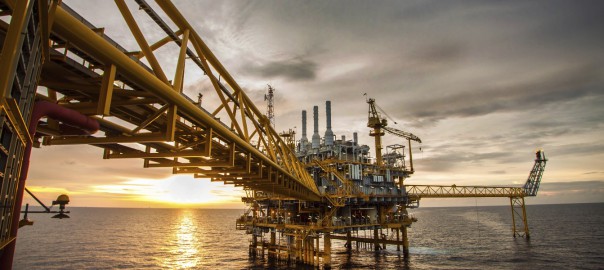
Oil’s place in the global energy mix is transforming, including in mobility, which uses three-fifths of world oil (Image: Thinkstock/curraheeshutter)

Oil Industry Frets About Another Lost Decade

Oil is an inherently cyclical business. The point is remarkably simple but it is amazing how often it gets forgotten by forecasters and investors.

In the century and a half since the modern oil industry was founded with the drilling of Edwin Drake’s well in 1859, real prices have doubled in the space of three years on no fewer than six separate occasions, and halved on four.

Oil’s place in the global energy mix is transforming, including in mobility, which uses three-fifths of world oil (Image: Thinkstock/curraheeshutter)

If prices remain around $50 for the rest of the year, 2015 will be the fifth time real prices have fallen more than 50 percent in the space of less than three years.

Sharp price changes over short periods have therefore been the norm and the long period of relative stability between 1931 and 1969 was the exception.

It follows that any attempt to predict where prices will go in the medium term (two to five years) or long term (beyond five years) based on current prices or recent changes is bound to fail.

The cyclical, unpredictable nature of prices has not stopped an army of prognosticators from trying to guess where they will go, but most forecasts have an endearing backward-looking quality.

When prices are high and have been rising, most forecasts predict they will rise even further on increasing scarcity. When they are low and have been falling, most forecasts predict a further slide on continued oversupply.

In 2008, and again in 2011/12, as prices were peaking at more than $140 and $120 per barrel respectively, most forecasters were predicting prices would remain high more or less forever.

Not one major forecaster saw prices sinking back to less than $60 per barrel but on both occasions it happened in less than three years.

Now prices have fallen, it seems no major forecaster is predicting they will rise sharply again within the foreseeable future.

But the current bearishness about the medium-term outlook is no more likely to be accurate than the former bullishness was between 2008 and 2011.

Read more: Maritime Global News

It’s time to call Peak Oil

I’ve been thinking a lot about Peak Oil recently, and am increasingly convinced that we are seeing its effects already starting to play out in world news, in low oil prices, flat economies, etc.

AAEAAQ_Oil_RollerCoaster_LinkedIn

It is widely accepted that Peak Oil occurred for conventional oil in 2005/6 and that led via very high oil prices to the global financial crisis of 2007/8. However, the high oil prices had an important side-effect, and that was to allow oil that was hard to extract to become potentially profitable and so we had the dash for shale and tar sands oil that has been booming since. This growth in unconventional oil increased the total annual oil extraction figures such that ‘Peak Total Oil’ looked to be moved into the future.

The Saudis, however, put a spoke in the wheel in October last year when they decided they were better off with low oil prices – since they can extract oil very cheaply – and so get back their reducing market share. This led to the current price tumble and oil glut.

While the notoriously optimistic U.S. Energy Information Administration (EIA) has been talking up the US shale oil industry for years, recently it has been moderating its view and suggesting that there may be a peak in unconventional oils as soon as 2020. I believe even this to be over-optimistic.

It is in this context that I see the currently unfolding Chinese stock market crash as being the key turning point, and in particular the week beginning 24 August 2015 – Black Monday – when the Chinese stock market lost 16% of its value. Given that China is currently the world’s economic engine this faltering is a major warning sign, and will likely lead to a softening of demand over the next few years (and perhaps indefinitely).

Putting these things together – a reduction in supply from unconventional oil and a reduction in demand from a faltering global economy – means I’m going to call it:

I think the conditions required for Peak Oil occurred together in August 2015.

This doesn’t mean that Peak Oil has itself just occurred since production drops will lag the economic situation – not least because shale oil production is heavily hedged and credit is currently cheap. Rather, that the peak is imminent – it cannot be avoided unless there is a major increase in either supply or demand in the short term, and neither seems likely.

Longer term, if the Saudis hold their nerve, the US shale industry is likely to implode* from insufficient revenue to service its debts – I think this will occur before the end of 2016, and very likely before the end of 2017 – and shale oil production will drop like a stone. Then Peak Unconventional Oil will have occurred, and therefore Peak Oil itself.

In summary:

In the future, we will be able to look back and see that Peak Oil occurred in 2016/17 and followed naturally and inevitably from the collision of supply and demand reductions in the summer of 2015.


*I think if this plays out we will have another Global Financial Crisis within three years from now, but that’s a topic for another day.