Category Archives: Electric Cars

News and reviews of the latest electric cars (full electrics and plug-in hybrids).

Copyright: arisanjaya / 123RF Stock Photo

Tata Group confirms plans to build gigafactory for batteries in the UK

The company says the £4bn investment will create up to 4,000 new direct jobs and thousands more in the wider supply chain.

The owner of Jaguar Land Rover has unveiled plans to build an electric car battery factory in the UK.

Tata Group says it’s planning to invest more than £4bn, with Prime Minister Rishi Sunak declaring that the new plant in Somerset will create thousands of skilled jobs for Britons across the country.
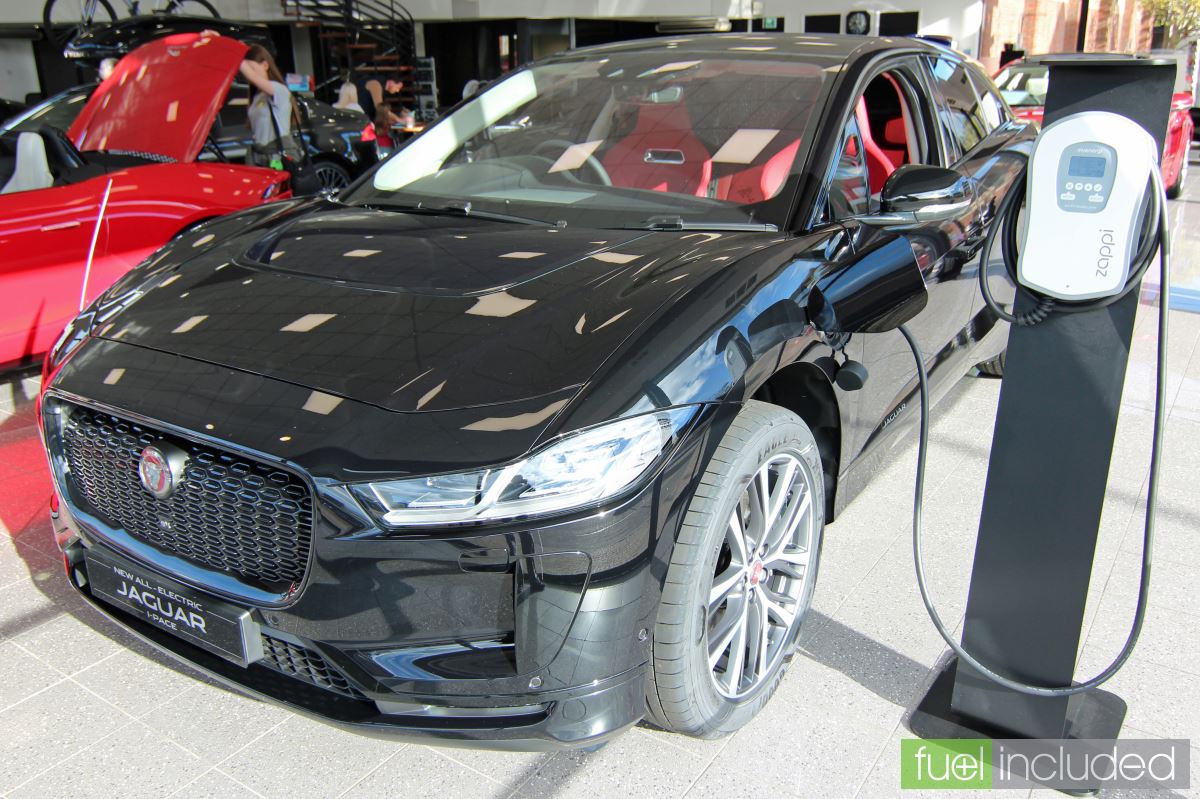
Jaguar I-PACE Electric Car (Image: T. Larkum)

The deal is the culmination of months of talks with the government over taxpayer subsidies to fend off reported competition for the investment from Spain.

It marks a step in the right direction for UK ministers amid mounting challenges over the transition to electric powertrains, as the clock ticks down to the 2030 ban on the sale of new cars using petrol or diesel.

According to Tata Group, this marks one of the largest-ever investments in the British automotive sector, and the gigafactory will deliver half of the battery production needed by 2030.

Read more: skynews

It’s Time to Go Green!

If you would like to know more about Solar Panels and the PowerBanx range of home battery systems, and get a free instant quote, please complete our online form:

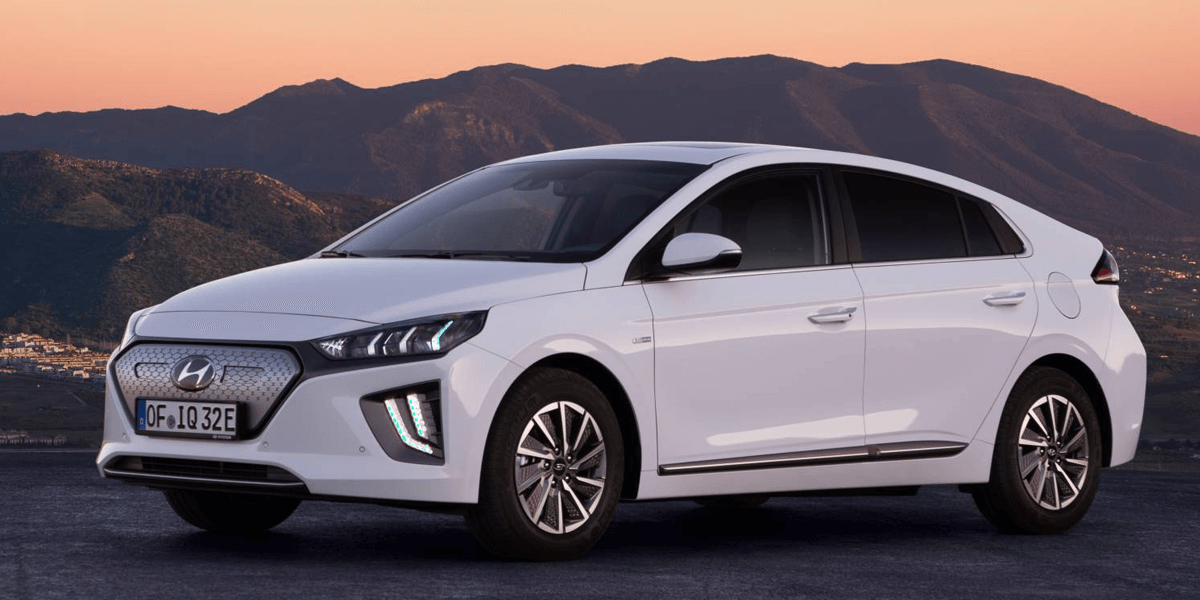
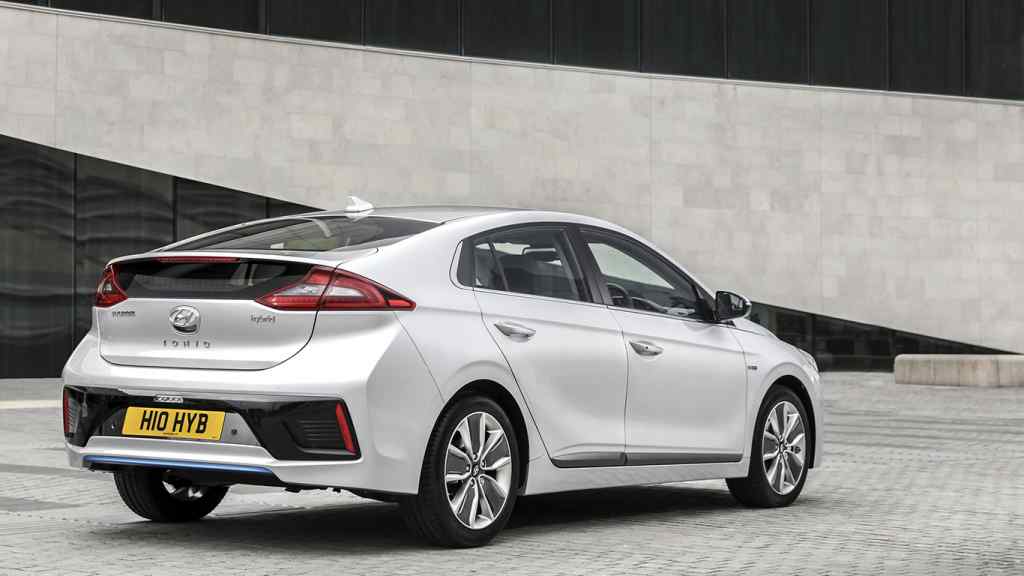
2020 Hyundai IONIQ (Image: Hyundai)

Here are 10 of the best family friendly electric cars to buy

From the kids to the kitchen sink, these are the EVs tailor-made to suit family life

Ford Mustang Mach-E

“The most important Ford since the Mondeo? The Model T? Probably somewhere between the two in terms of what it means to the brand and its future. As crucial as the original Mustang, then – another car that kick-started the blue oval and launched it into a new and exciting future. Make up your own mind about the look of the car and what it says about you, but be in no doubt that underneath this is a fundamentally very well executed machine.”

Hyundai Ioniq 5

“That Hyundai is now confident enough to put a car as bold-looking as the Ioniq 5 on sale is impressive. But the fact this retro XXL hot hatch bodywork conceals one of the most complete family EVs money can buy is downright remarkable. If Hyundai can maintain this momentum behind the upcoming members of the Ioniq family, then the likes of VW’s ID cars and even Mercedes’s EQ clan ought to be extremely worried.”

Kia EV6

“The EV6 proves that forward-thinking doesn’t need to be entirely wacky. Distinctive yet not likely to immediately fall off a fashion cliff, interesting to drive but not likely to worry a dedicated sports car, the EV6 carves a very different path dynamically to the Hyundai Ioniq 5 with which it shares bones and blood. And that’s no bad thing.


KIA EV6 (Image: kia.com)

Read more: TopGear

It’s Time to Go Green!

If you would like to know more about Solar Panels and the PowerBanx range of home battery systems, and get a free instant quote, please complete our online form:

ELECTRIC CARS – CLIMATE SAVIOURS OR ECO-VILLAINS?

As electric car sales skyrocket, there are some tough questions to answer, writes Danny Chivers.

Owning an electric car could double your chances of getting a date.

This eye-catching claim – from car dealers Big Motoring World – gives a sense of the buzz around electric vehicles (EVs) right now. And whether or not they can ignite your love life, EVs are definitely on the rise.

Global sales of fossil-fuelled cars have been falling since 2017 – down from 86 million to 69 million in 2022. In contrast, electric car sales increased by 60 per cent in 2022 and are projected to rise further in 2023 to conquer almost 20 per cent of the global car market.

Battery electric cars are now outselling diesel cars in the UK, and make up 26 per cent of all car sales in China.


The UK’s electric vehicle drive has put the energy sector on the road to change

But is this definitely good news for the planet? What about all the extra mining needed for electric vehicles, and the increased electricity demand? Aren’t we meant to be switching to buses, trains and bikes, rather than building more cars?

Ultimately, is there a risk that by electrifying the car market, we’re just swapping one set of problems for another?

ARE ELECTRIC CARS THE LEAST WORST OPTION?

In a direct comparison, a battery-powered car is definitely better for the planet than a fossil-fuelled one.

We’re not just talking about cleaner air and less noise pollution in cities; internal combustion engines are highly inefficient, wasting over 70 per cent of the energy in the fuel.

Read more: NewInternationalist

It’s Time to Go Green!

If you would like to know more about Solar Panels and the PowerBanx range of home battery systems, and get a free instant quote, please complete our online form:

Lex Autolease report shows appetite for electric vehicles

Almost two-thirds (60%) of drivers will move away from petrol and diesel vehicles and opt for battery technology when choosing their next car, with two-fifths (40%) set to choose a fully electric vehicle (EV).

That’s according to a new Future of Transport Report, a bi-annual analysis of the UK’s transport sector from leasing giant Lex Autolease.

It includes the Future of Transport Index, a new measure which uses a unique data set to track the level of confidence in different transport technologies and reveal how attitudes towards them are evolving.

The report reveals that drivers are shifting away from traditionally fuelled cars mainly due to the cost of ownership and their environmental impact.

MINI Cooper Concept (Image: MINI)

Drivers are keen to go electric to avoid clean air zone (CAZ) charges (35%) and to make savings on overall maintenance and running costs (34%).

Two-thirds (66%) of respondents say it’s important that the vehicle they drive helps them reduce their environmental impact and almost as many (63%) feel that the transition to EVs is important to help the UK reach net zero.

Despite this momentum, concerns remain, particularly when it comes to access to charging infrastructure.

The availability of charging points was a significant concern for more than half of respondents (52%) followed by the length of time to charge (41%) and the logistics of installing charging infrastructure at home (31%).

Read more: FleetNews

It’s Time to Go Green!

If you would like to know more about Solar Panels and the PowerBanx range of home battery systems, and get a free instant quote, please complete our online form:
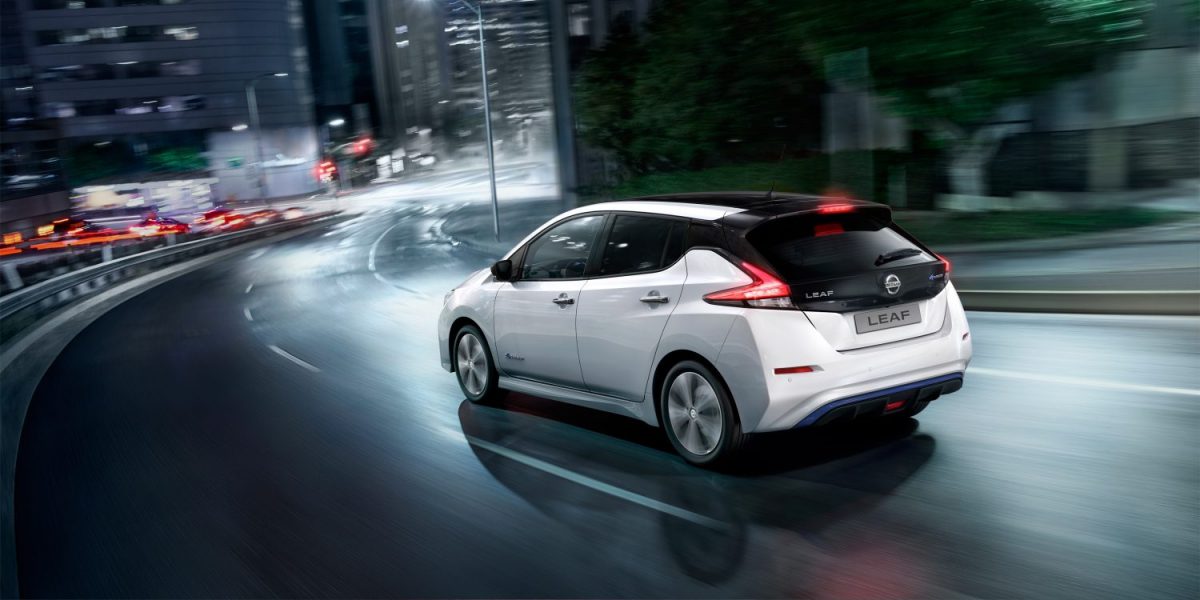
Zapmap statistics show EV charge point installation up more than 80%

Electric Vehicle (EV) chargepoint mapping service Zapmap has published mid-year statistics showing that the rate of chargepoint installations has increased 82% since the first half of 2022.

Cornwall Insight recently published a report suggesting that the rate of increase in chargepoints had reached 70% over the past year, but now Zapmap says deployment of chargers is taking place even faster.

In the first half of 2022, an average of 891 charge points were installed each month, a figure which has increased to 1,622 in the first half of 2023, an increase of 82%.

Zapmap calculates that there will be more than 50,000 chargepoints across the UK by the end of 2023. At the moment there are around 44,000 public charging devices across the UK, an overall growth of 36% year on year.

Almost 20% of chargepoints are rapid or ultra rapid chargers, with 8,680 of these at the end of June. Ultra rapid chargers showed the biggest year on year growth. There were 1,803 ultra rapid chargers across the UK at the end of June 2022, which has grown to 3,493 at the end of June 2023, a 94% increase.

The statistics show that charging hubs, with six or more rapid/ultra rapid chargers in one location, are also opening at a significant rate. There were 79 hubs in June 2022, which has increased to 170, with another 77 Tesla Supercharger hubs.

Ultra rapid chargers are also well distributed across the UK, with 9/12 geographical regions in the UK seeing more than 100 new ultra rapid chargers installed, with the most in the South East with 269.

Read more: Current+

It’s Time to Go Green!

If you would like to know more about Solar Panels and the PowerBanx range of home battery systems, and get a free instant quote, please complete our online form:

New rules to make it easier to use public electric car chargers

Motorists are currently forced to use multiple smartphone apps or membership cards to access different charging networks.

Electric car drivers will only need one app to pay for public chargepoints operated by different companies, under legislation laid in Parliament.

Motorists are currently forced to use multiple smartphone apps or membership cards to access different charging networks.

BP Chargemaster Rapid Charger at Milton Keynes Charging Hub (Image: T. Larkum)

Mandating so-called payment roaming is among new Department for Transport (DfT) regulations aimed at encouraging the uptake of electric vehicles by making it easier, cheaper and more convenient to charge them across the UK.

Operators will be required to accept contactless payments at newly installed chargepoints at eight kilowatts and above, and at existing rapid chargepoints.

A standardised pence per kilowatt hour price will be mandated to enable drivers to compare the cost of using different networks.

Rapid chargepoint networks will be required to function for 99% of the time during a calendar year, and a new helpline will be launched to support motorists when something goes wrong with electric vehicle charging.

Chargepoint data will also be opened up to make it easier for drivers to check their availability.

Transport minister Jesse Norman said: “As demand for electric vehicles continues to grow, the Government wants to make sure that drivers continue to have confidence in the UK’s charging network.

Read more: Independent

It’s Time to Go Green!

If you would like to know more about Solar Panels and the PowerBanx range of home battery systems, and get a free instant quote, please complete our online form:
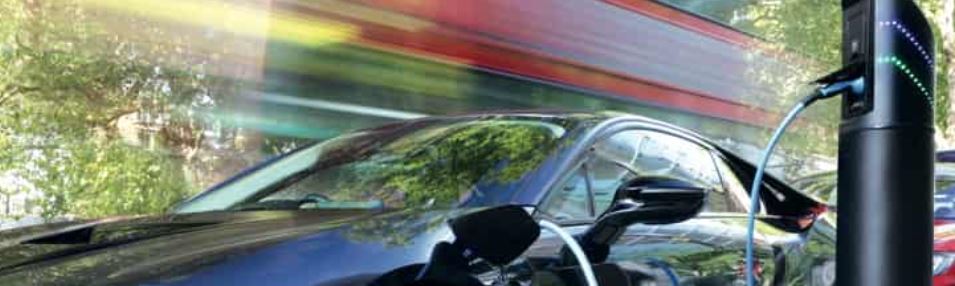
Matt Prior: Should electric sports cars have engine notes?

Hyundai Ioniq 5 N simulates engine revs and gearchanges in ‘Ignition’ mode

How involved would you like to be? You might remember that last year Toyota filed a patent for a battery-electric vehicle with an H-pattern gearshift, so that an electric powertrain would respond like a manual internally combusting car, complete with a clutch pedal that felt like the real thing, even though, like the gearlever, it would be false.

As yet, no Toyota has arrived with this hardware, but Hyundai’s N performance division has taken a similar concept.

2020 Hyundai IONIQ (Image: Hyundai)

The Hyundai Ioniq 5 N is the first electric product of Hyundai’s N fun division. “For N, fun to drive is the highest priority. Electrification has transformed our lives but [so far] not our hearts,” Till Wartenberg, N’s vice-president, told me before we drove a prototype. “Car enthusiasts are the last group who can be electrified,” he said. I have a feeling he’s right. I like electric power, but it’s quite telling that when I recount the most fun I’ve had in EVs, an original Tesla Roadster, a Renault Twizy and a Nissan Leaf with plastic ‘drift tyres’ at the back all still feature heavily.

Finally, the Ioniq 5 N on a circuit eclipses all of those. It’s meant to be the car that finally sucks enthusiasts in, and part of the way it does so is by giving us the chance to pull on our muscle memory and aural sensibilities.

Read more: Autocar

It’s Time to Go Green!

If you would like to know more about Solar Panels and the PowerBanx range of home battery systems, and get a free instant quote, please complete our online form:

Used electric vehicle prices down 19% year-on-year

June marked another month of contracting prices for used electric vehicles (EVs), with the average retail value (£31,430) falling 19.1% year-on-year, new data suggests from the Auto Trader Retail Price Index.

It makes June the sixth consecutive month of year-on-year decline, with average EV prices falling by around £5,000 since January (£36,179) and nearly £9,500 since their peak in July 2022 (£40,728).

Finance and leasing terms of brand-new electric cars bought three-four years ago have ended, which has, as expected, resulted in a very strong increase in supply over recent months, particularly from fleets.

While consumer demand for second-hand EVs has been robust, up 6% year-on-year in June, it’s been unable to keep pace with the sharp increase in availability – supply was up 174% year-on-year last month.

Auto Trader says it is this imbalance that has caused prices to contract recently, as opposed to any loss in consumer appetite.

However, supply growth levels are softening. June was the lowest level in nine months and down significantly on the 303% increase recorded in January.

Used EV values beginning to stabilise

As such, despite June marking the highest rate of year-on-year price contraction recorded by Auto Trader, there are strong signs of used EV values beginning to stabilise, with June also seeing the lowest level of month-on-month price contraction (-0.9%) since August last year.

The drop in average EV prices is rapidly closing the upfront price gap between many electric models and their ICE counterparts, and in some cases, has already made them cheaper.

Read more: FleetNews

It’s Time to Go Green!

If you would like to know more about Solar Panels and the PowerBanx range of home battery systems, and get a free instant quote, please complete our online form:

Here are the cheapest new EVs you can currently buy

Next year will see various well-priced EVs come to market, but let’s look at what are currently the most affordable

It’s an exciting time in the electric car world at the moment, with more and more models going on sale.

There is big news today, too, with Dacia’s announcement that it will bring its compact EV, called the Spring, to the UK next year. The Spring has been on sale since 2021 in other European markets and has the title of Europe’s most affordable new electric car – something that it will likely be when it comes to the UK as well.

The Spring is set to become the UK’s cheapest new electric car when it arrives next year. (Dacia)

But if you can’t quite wait for the Dacia Spring to arrive, what are currently the cheapest new EVs today? Let’s take a look.


ZS EV (Image: MG)
ZS EV (Image: MG)

The MG4 is currently the cheapest new EV. (MG)

MG is now one of the key players in the electric car segment, with its affordable EVs really resonating with buyers that want to go electric, but without having to splash vast amounts of cash.

Its new MG4 is also currently the UK’s most affordable EV, with a starting price of £26,995. That buys the entry-level model, equipped with a 51kWh battery that’s able to achieve a credible claimed 218 miles from a charge.

Read more: Express&Star

It’s Time to Go Green!

If you would like to know more about Solar Panels and the PowerBanx range of home battery systems, and get a free instant quote, please complete our online form:

Dacia Spring 2021 (Image: Dacia.co.uk)

Confirmed: Dacia’s tiny cheap EV is springing over to Britain

Could the Dacia Spring be cheaper and more eco-friendly than walking? Well no. But it’ll be close…

Back in March 2021, Dacia gave us some Bad News. Despite offering the new Spring EV for a hilariously low price in Germany, the company resoundingly kiboshed hopes that the ultra-affordable electric supermini would make the Channel hop to UK shores.

Well guess what… there’s Good News at long last. Dacia has announced with some fanfare that it’s changed its mind. Brits will be able to buy the new entry-level EV from next year. Take that, cost of living crisis.

Dacia Spring 2021 (Image: Dacia.co.uk)

Prices aren’t confirmed yet, given interest rates are fluctuating more wildly than Glastonbury 2024 headliner predictions, but with a pre-grant price of around €20k in Germany, hopes are high this could be the cheapest five-door EV on British soil.

For not much money, you get not much range. Obviously. The battery is a 27kWh tiddler that manages a mere 143 miles, and with only 44bhp and a 19-second 0-62mph dawdle, it’s more placid than Tesla Plaid.

But when most UK commutes take place at 000.1mph in appalling traffic, do we care? This is like a bargain basement Honda E (with more range!). A Renault Zoe a la Primark. A more practical Fiat 500e outta the middle aisle of Lidl. It could be 2024’s most relevant car.

Why is Dacia so confident that we’ll like it? Well, it’s been watching how people in other nations use their Springs. Big Brother, anyone?

Read more: TopGear

It’s Time to Go Green!

If you would like to know more about Solar Panels and the PowerBanx range of home battery systems, and get a free instant quote, please complete our online form: